



 Nancy Kavazanjian
Topics: Sustainability, Renewable Energy (Solar/Wind),
-
(0)
-
Bookmark
- Comments (0)
 John LaRose Jr.
Topics: Agriculture US, Forestry, Economics, Sustainability, Renewable Energy (Solar/Wind),
Effects of harvest intensity on the marketable organ yield, growth and reproduction of non-timber forest products (NTFPs): implication for conservation and sustainable utilization of NTFPs - Forest Ecosystems
Background Non-timber forest products (NTFPs) are an important part of forest biodiversity, and the subsistence and trade of local people, especially in less developed countries. Because of the high ecological and economic value, NTFPs have faced the problem of over-exploitation, and the key to solve this problem is to determine the feasible way of sustainable utilization of NTFPs. Harvest intensity is one of the most important and easily controlled utilization factors, which can greatly influence the plant individual survival, growth and reproductive performances, and even the population structure and dynamics. Therefore, we chose two common and important NTFPs species with different marketable parts (i.e., Acanthopanax senticosus with tender leaves and Aralia elata with tender buds) as our study objects. Aiming to determine the optimum harvest intensity for sustainably utilizing both NTFPs species, five levels of harvest intensity treatments (i.e., control, light, medium, high and severe) were designed to assess the effects of harvest intensity on their marketable organ yield, plant growth and reproductive performances. Results The biomass growth rates of marketable organ and plant growth of A. senticosus under light harvest intensity treatment were significantly higher than those under other harvest intensities. The plant height growth and 1000-seed weight of A. elata under severe harvest intensity treatment were significantly lower than those under control treatment. Conclusions The light harvest intensity with 25% leaf removal and the high harvest intensity with all terminal buds harvested are the optimum harvest intensity to maintain the sustainable utilization of A. senticosus and A. elata, respectively. These findings could provide managers with basic but practical guidance for making decisions about the sustainable harvest management plan for the cultivated NTFPs species, and further provide a theoretical basis for managers to establish the harvest regulations for wild NTFPs species. Consequently, the lo...
-
(0)
-
Bookmark
- Comments (0)
John LaRose Jr.
Topics: Precision AG , Water, Economics, Ag Europe, Renewable Energy (Solar/Wind),

Single floating offshore Windcatcher unit could power 80,000 European homes
The solution aims to cut land use by more than 80%, increase efficiency, and reduce operating costs.
-
(0)
-
Bookmark
- Comments (0)
John LaRose Jr.
Topics: Precision AG , Agriculture Global, Water, Sustainability, Renewable Energy (Solar/Wind), Weather,

Australian project set out to use wastewater in green hydrogen production
The project aims to address the challenge of water scarcity in the process of hydrogen production.
-
(1)
-
Bookmark
- Comments (0)
John LaRose Jr.
Topics: Agriculture Global, Water, Economics, Sustainability, Renewable Energy (Solar/Wind), Weather,
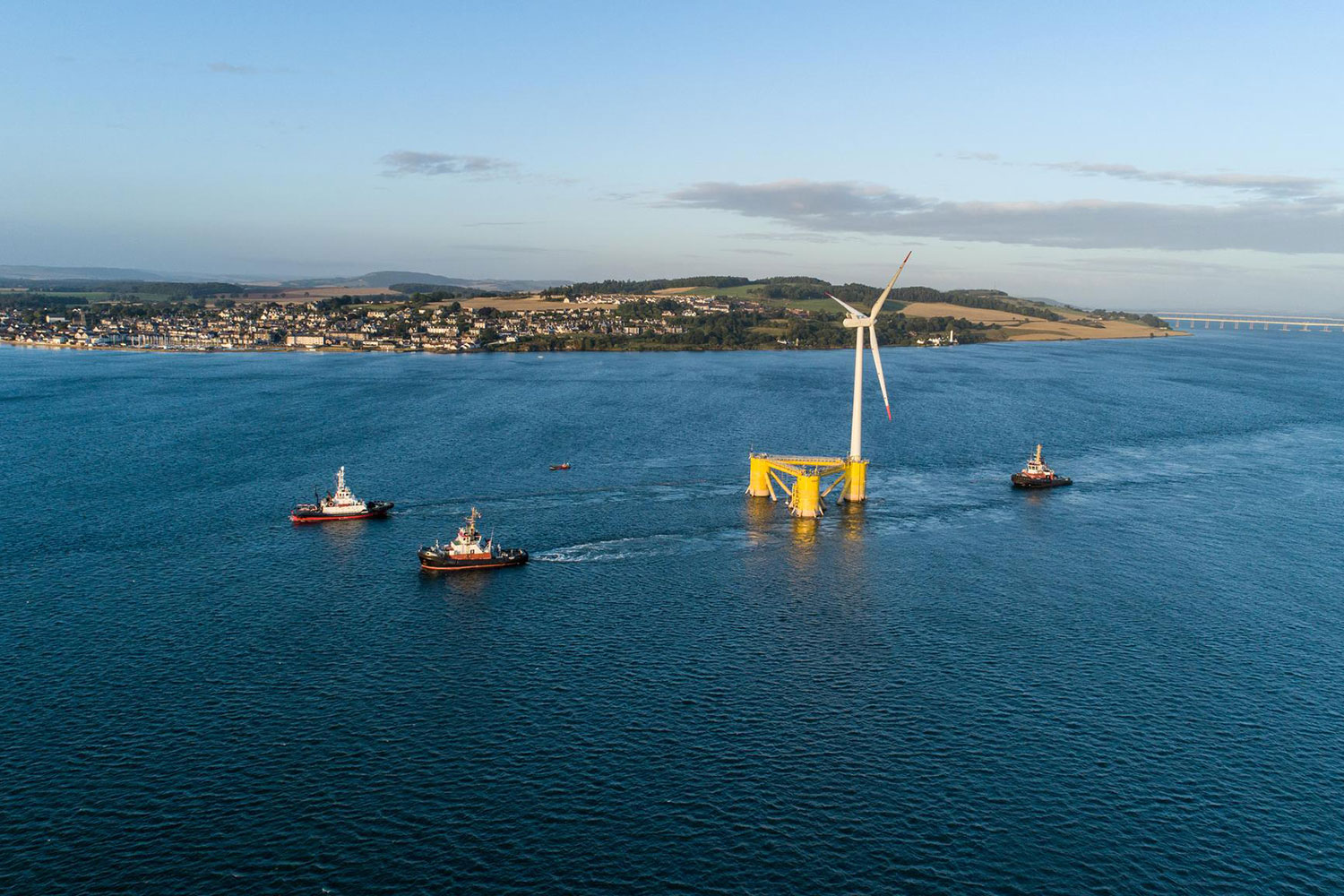
World’s largest floating offshore wind farm is now installed in Scotland
It can generate enough electricity to power approximately 55,000 Scottish households.
-
(0)
-
Bookmark
- Comments (0)
Nancy Kavazanjian
Topics: Agriculture Global, Water, Renewable Energy (Solar/Wind),
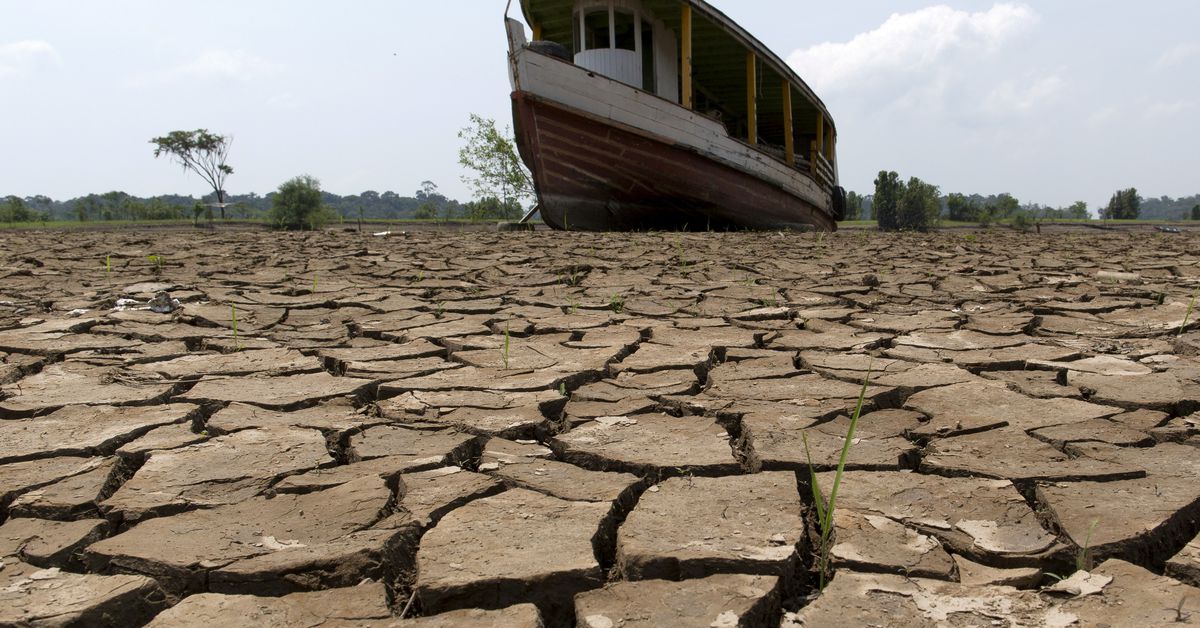
Droughts shrink hydropower, pose risk to global push to clean energy
Severe droughts are drying up rivers and reservoirs vital for the production of zero-emissions hydropower in several countries around the globe, in some cases leading governments to rely more heavily on fossil fuels.
-
(0)
-
Bookmark
- Comments (0)
John LaRose Jr.
Topics: Cover Crops, Crop Consultant, Agriculture Global, Sustainability, Regenerative Agriculture, Renewable Energy (Solar/Wind),
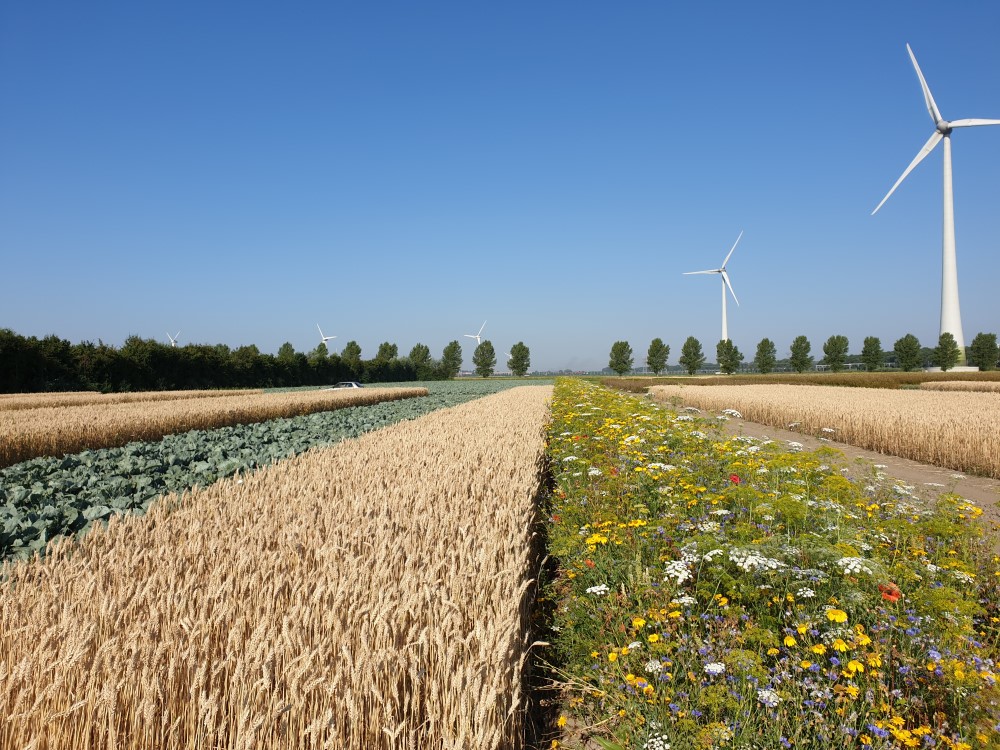
Biodiversity in Food Systems
As we grapple with the challenges of feeding the growing world population without destroying our planet, agendas are increasingly turning to the role of biodiversity in food systems. Biodiversity at all levels – genetic, species and ecosystems – is the basis of our food system, yet our comprehension of its role is often overlooked or undervalued. WUR delivers world-leading research in both food and biodiversity. Its food systems approach acknowledges the many interlinkages between people, agriculture, biodiversity, water, health and climate change. WUR’s ambition is to leverage the role of biodiversity in this food systems thinking, and thus provide thought leadership that contributes to transforming our food systems and bending the curve of biodiversity loss.
-
(0)
-
Bookmark
- Comments (0)
John LaRose Jr.
Topics: Agriculture Global, Economics, Research, Environment, Ag Tech, Ag Innovation, Renewable Energy (Solar/Wind),
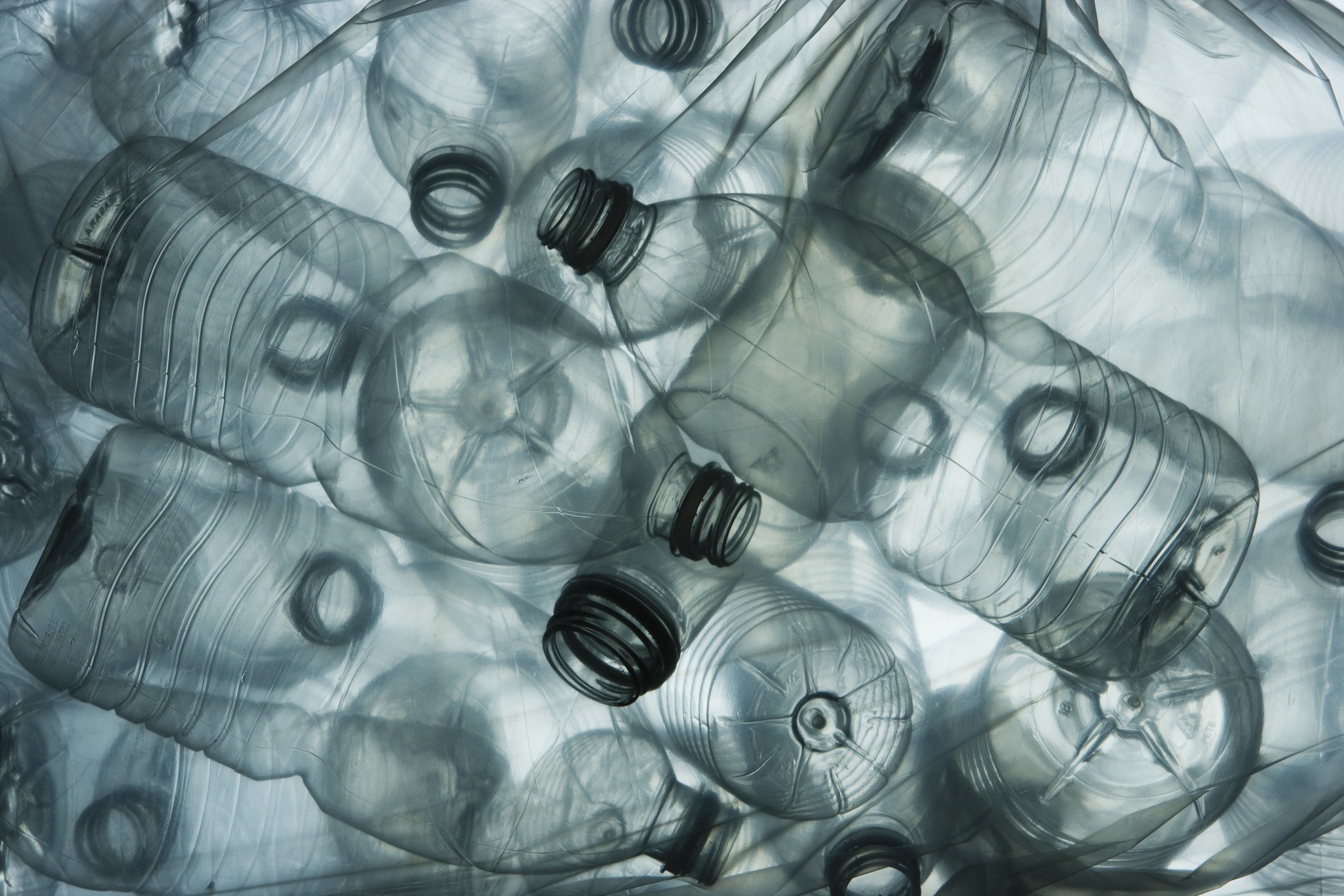
Upcycling Plastic Waste Into High-Performing Mechanical Lubricants
New research could mean fewer adverse impacts from plastic waste and cheaper lubricants used in vehicles and industrial activities.
-
(0)
-
Bookmark
- Comments (0)
John LaRose Jr.
Topics: Agriculture Global, Economics, Research, World Population, Renewable Energy (Solar/Wind),
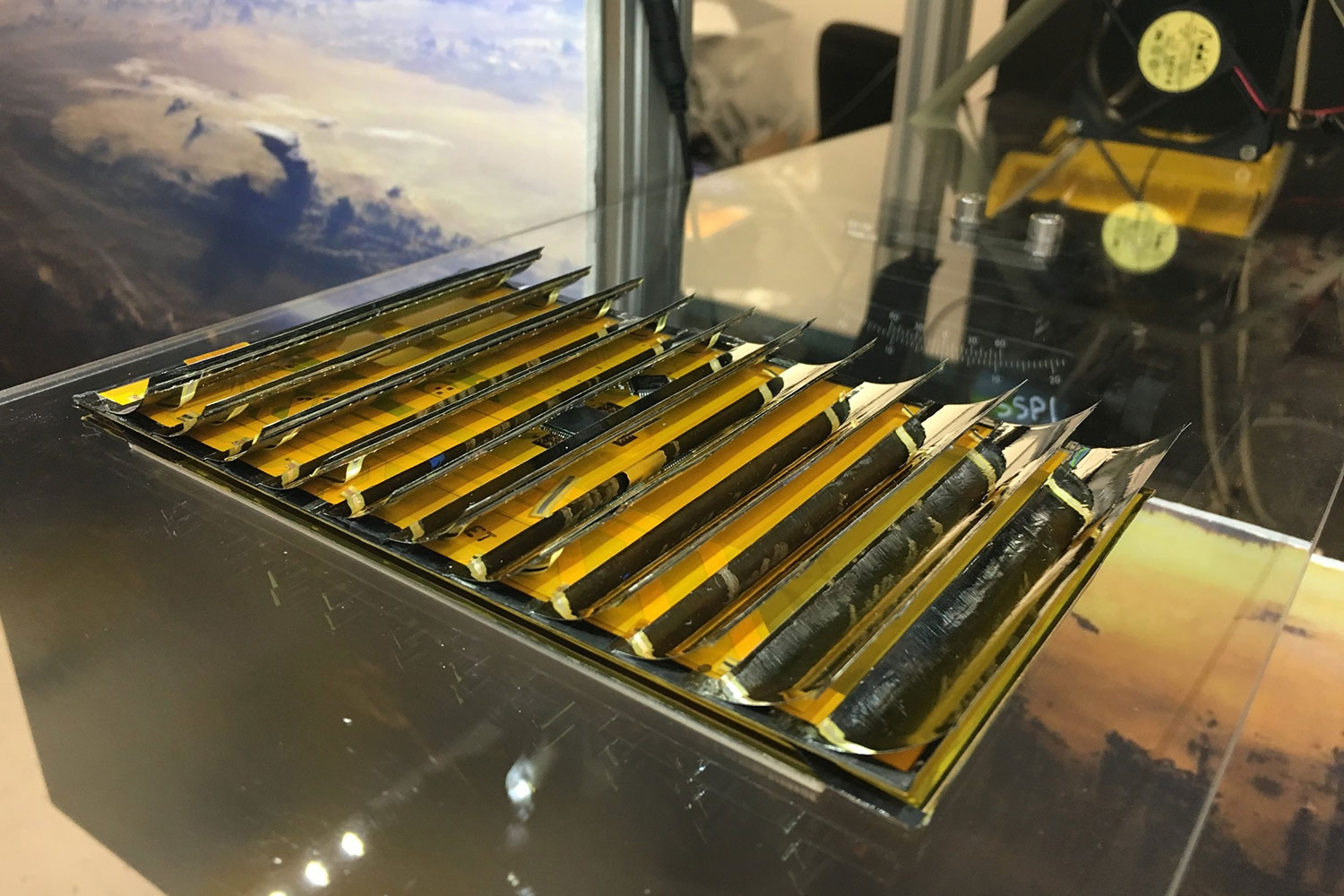
Caltech's Space-based Solar Power Project could provide Earth with limitless energy
The project is aiming to setup solar panels in space; and beam the energy to Earth.
-
(0)
-
Bookmark
- Comments (0)
John LaRose Jr.
Topics: Water, Economics, Research, World Population, Renewable Energy (Solar/Wind),
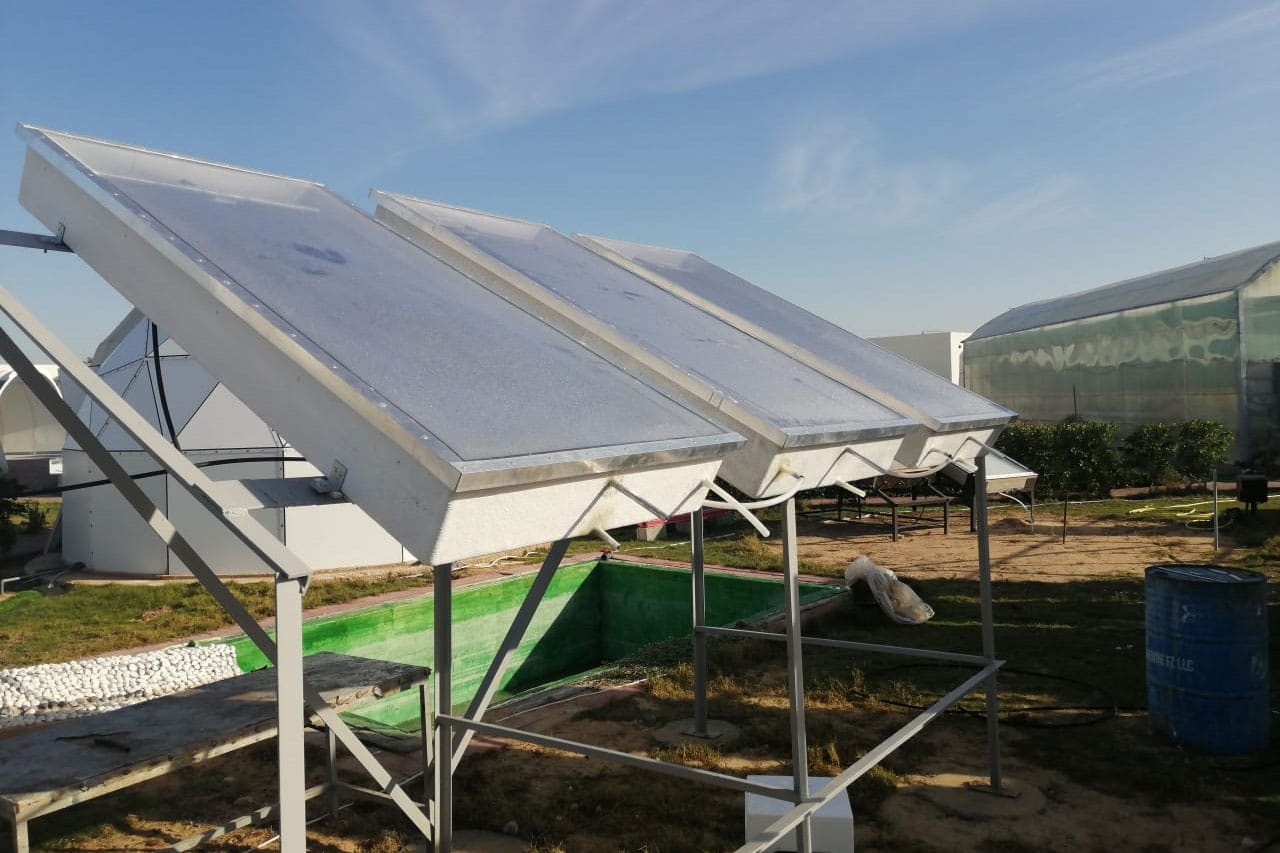
Suns River Still uses sunlight to pull pure water from seawater
The technology uses 100% solar energy, feeds seawater, produces distilled water for home, farm use.
-
(0)
-
Bookmark
- Comments (0)
Advertisement