



 John LaRose Jr.
Topics: Cover Crops, Vegetables, World Hunger, Government / Policies, World Population, Regenerative Agriculture,
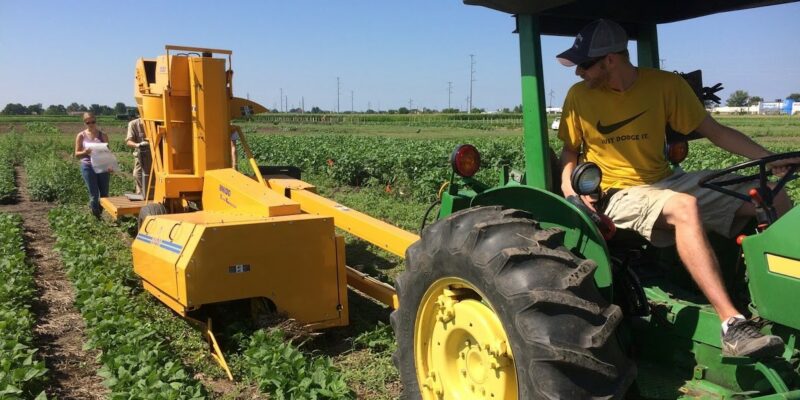
Cover crop could solve weed problems for edamame growers - The Global Plant Council
For vegetable growers, weeds can mean lost income from reduced yield and foreign plant matter contaminating the harvest. But for many crops, particularly vegetable legumes, weed management options are very limited. A new study shows early-terminated rye could be a promising part of an integrated weed management program for some vegetable legumes, including edamame.
-
(0)
-
Bookmark
- Comments (0)
John LaRose Jr.
Topics: Soil Health, Cover Crops, Vegetables, Agriculture Global, Sustainability, World Hunger, World Population, Regenerative Agriculture, Coronavirus/COVID,
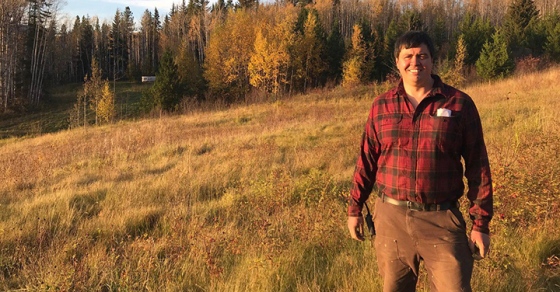
How one northern B.C. Indigenous farmer is improving food security
Jacob Beaton wouldn’t be a farmer without lettuce. Lots of lettuce. It was among the first vegetables he grew using agro-ecological techniques on the small farm near Kitwanga, between Smithers . . .
-
(0)
-
Bookmark
- Comments (0)
John LaRose Jr.
Topics: Organic, Beekeeping, Research, World Population, Regenerative Agriculture, Pollinators,
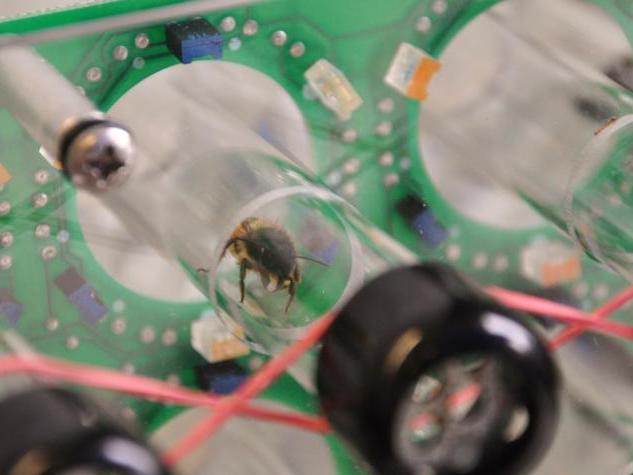
Solitary bees are born with a functional internal clock - unlike honeybees | News Break
Social insects like honeybees and hornets evolved from solitary bees and wasps, respectively. A common trait of many social insects is age-specific behavior: when they emerge from the pupa, workers typically specialize in around-the-clock tasks inside the darkness of the nest, starting with brood care. But they gradually shift towards more cyclic tasks away from center of the nest as they get older -- culminating in foraging outside, exclusively in daylight, towards the end of their life. Here, researchers find evidence that this shift from around-the-clock to rhythmic tasks, which does not occur in solitary insects, seems to be driven by a slower maturation of the endogenous (i.e. internal) "circadian" clock of social honeybees compared to solitary bees.
-
(0)
-
Bookmark
- Comments (0)
John LaRose Jr.
Topics: Irrigation, Water, Economics, World Population, Ag Australia/NZ, Renewable Energy (Solar/Wind),
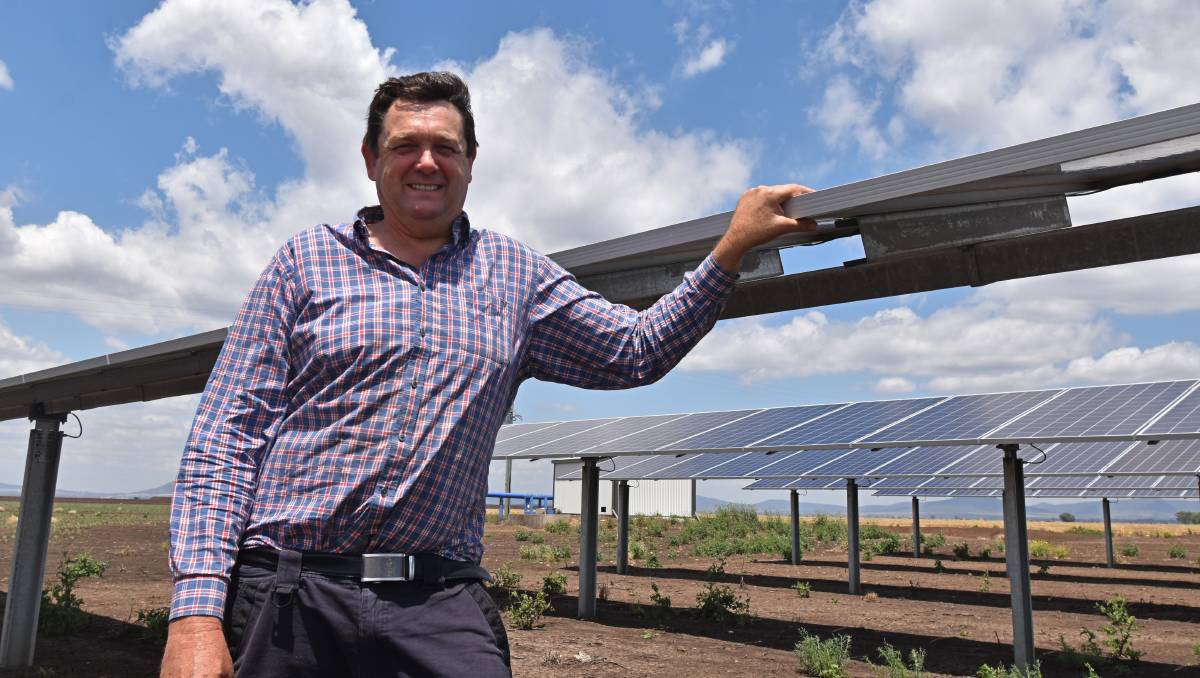
Gunnedah farmer turns his attention to renewable future
High energy costs inspire Scott Morgan to take action.
-
(0)
-
Bookmark
- Comments (0)
John LaRose Jr.
Topics: Sustainability, Fertilizer, Ag Innovation, World Population, Regenerative Agriculture, Ag Australia/NZ,
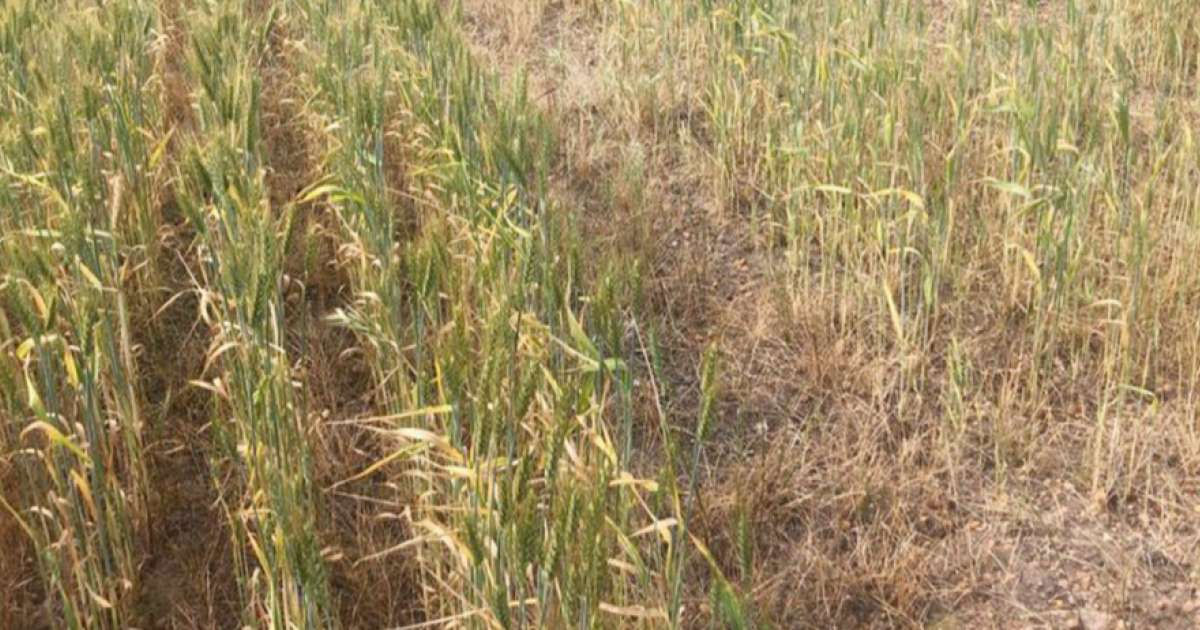
Lithium Australia subsidiary Envirostream's field trial using products from recycled alkaline batteries as fertilisers shows immense promise
The company is well placed to provide Australia with a far superior environmental alternative to sending spent batteries to landfills.
-
(0)
-
Bookmark
- Comments (0)
John LaRose Jr.
Topics: Corn/Maize, Soil Health, Soybeans, Conservation/Tillage, Water, Sustainability, Fertilizer, World Hunger, Ag Africa, World Population,
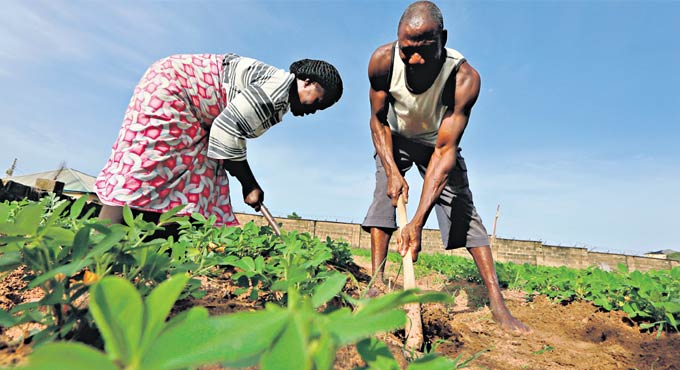
Pothole farming: Conservative farming in drought-hit Zimbabwe
Instead of ploughing and sowing a large area, the “pfumvudza” method involves planting crops in small holes that trap rainwater.
-
(0)
-
Bookmark
- Comments (0)
John LaRose Jr.
Topics: Soil Health, Fertilizer, Ag India, World Hunger, World Population, Regenerative Agriculture,
How India Can Transform Its Fertilizer Subsidy Program - NextBillion
India is the second largest global user of fertilizer, but ~65% of this fertilizer doesn't reach small farmers. Here's a solution for improving subsidies.
-
(0)
-
Bookmark
- Comments (0)
John LaRose Jr.
Topics: Soil Health, Irrigation, Water, Sustainability, Research, World Population,

Dry run: the wet farming experiment that could sow seeds for future crops
Cambridgeshire project trials plants that thrive in more extreme weather, including sphagnum moss and bulrush
-
(0)
-
Bookmark
- Comments (0)
John LaRose Jr.
Topics: Vegetables, Water, Economics, World Hunger, World Population, Ag Podcast Global, Weather,
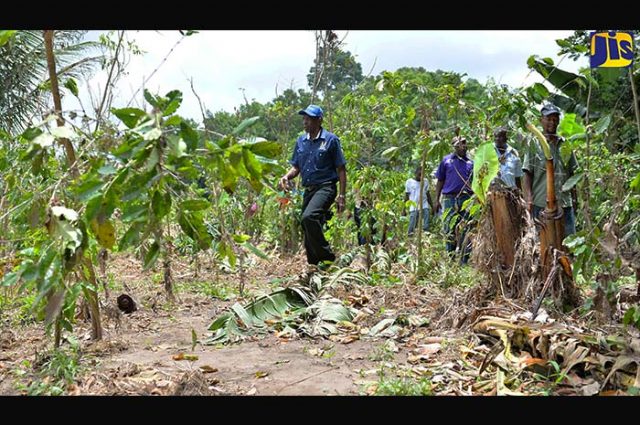
Farmers Face Millions in Losses as Heavy Rains "Wipe Out" Their Produce
Several farmers across the island have experienced a complete wipe out of their farms by floodwaters costing millions of dollars.Nigel Levy, a farmer in St. Thomas says his loss is over a million dollars. Kingsley Palmer, a farmer from St Elizabeth says he suffered substantial losses, losing all of his tomatoes and experiencing extreme soil […]
-
(0)
-
Bookmark
- Comments (0)
John LaRose Jr.
Topics: Soil Health, Conservation/Tillage, Research, Fertilizer, World Population, Regenerative Agriculture, Ag Australia/NZ,
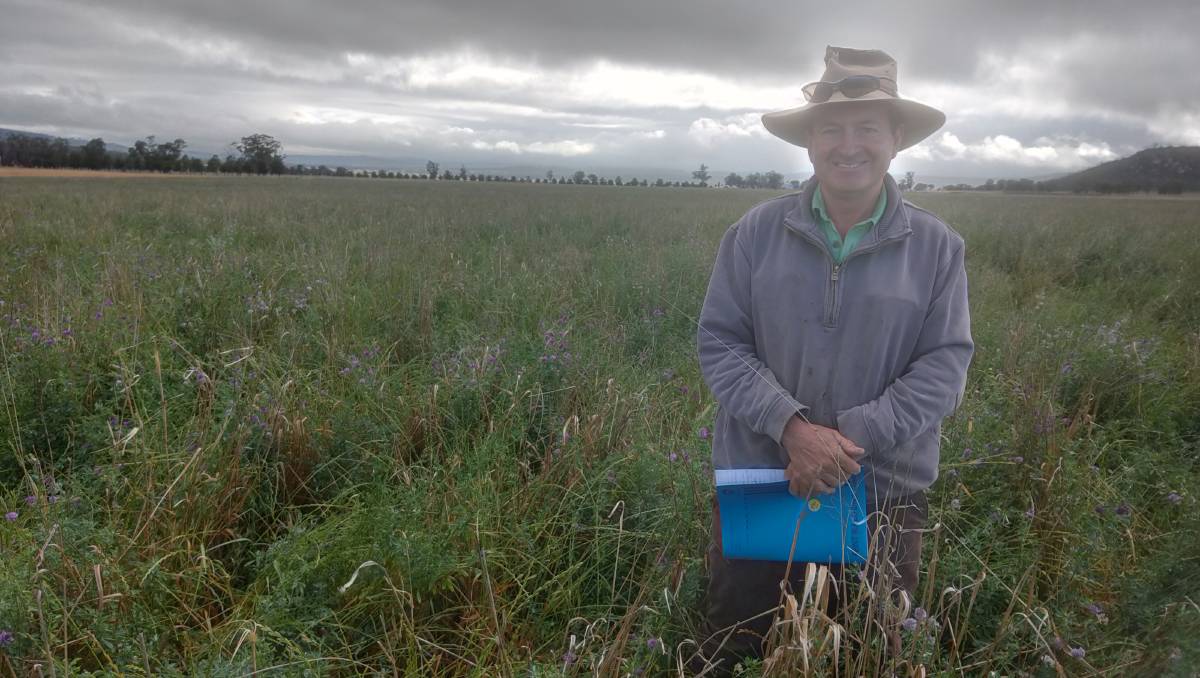
Don't neglect the basics in pasture production
Legumes can build soil nitrogen by around 25 kilograms a hectare for every tonne/ha of legume drymatter production.
-
(0)
-
Bookmark
- Comments (0)
Advertisement