



 John LaRose Jr.
Topics: Agriculture Global, Beekeeping, Sustainability, Regenerative Agriculture, Pollinators, Education,

-
(0)
-
Bookmark
- Comments (0)
John LaRose Jr.
Topics: Agriculture Global, Lamb/Sheep, Research, Education,

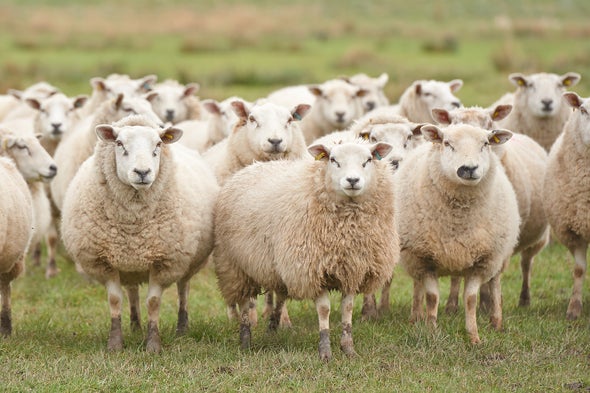
DNA in Sheep and Dinosaurs
About 1,600 years ago, salt miners in Iran apparently left their lamb lunch down the shaft. Their loss became scientists' gain. The now-mummified sheep carcass suggests that salt helps preserve sheepskin DNA. The research results, published in Biology Letters, showed probably the best-preserved DNA from any skin from that time.1 The Iranian and European team used radiocarbon dating to help establish an age estimate. They sequenced DNA from the sheep skin and discovered that it was high en
-
(0)
-
Bookmark
- Comments (0)
John LaRose Jr.
Topics: Soil Health, Beekeeping, Sustainability, Pollinators, Education,
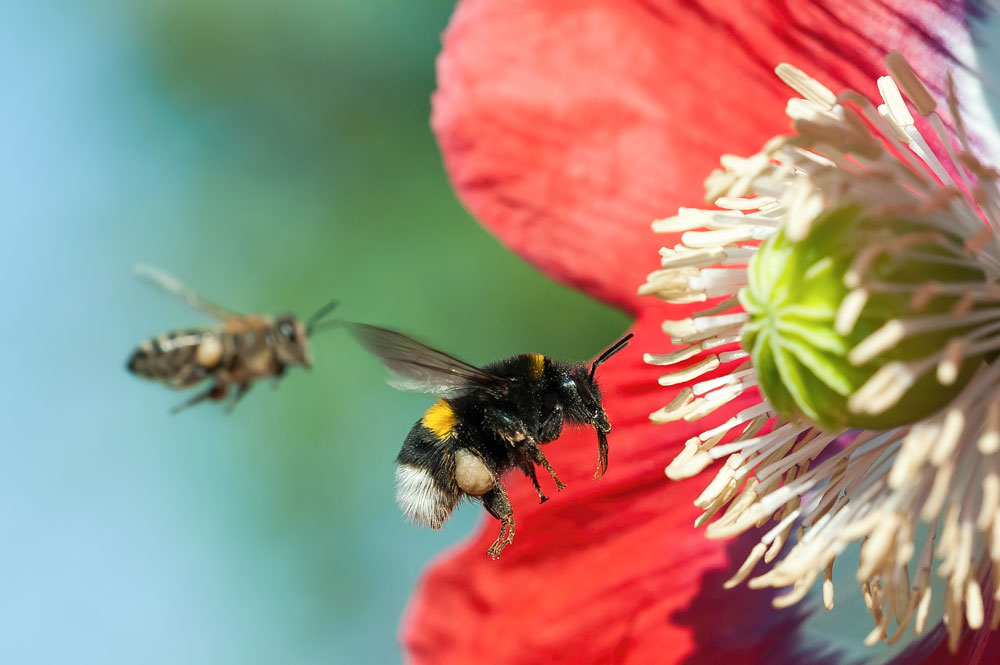
Biodiversity
Biodiversity is a comprehensive concept. It includes the diversity of all life on earth, from flowers and bees to bacteria and tropical forests. Biodiversity is essential to humankind, for it is the foundation for our food, clean air, soil quality and other ecosystem services. Biodiversity and nature also benefit our well-being: green is good for us. Moreover, biodiversity has intrinsic value: who are we to decide whether a panda or tiger deserves to live?
-
(0)
-
Bookmark
- Comments (0)
John LaRose Jr.
Topics: Livestock/Meat, Agriculture US, Agriculture Global, Education U.S. West, Beef Cattle, Regenerative Agriculture, Education, Weather,

Grazing Cattle Can Reduce Agriculture’s Carbon Footprint
Texas A&M AgriLife research shows that proper grazing protocols can regenerate soil systems and ecosystem functions.
-
(1)
-
Bookmark
- Comments (0)
John LaRose Jr.
Topics: Dairy, Agriculture US, Economics, Research, Ag Australia/NZ, Education,
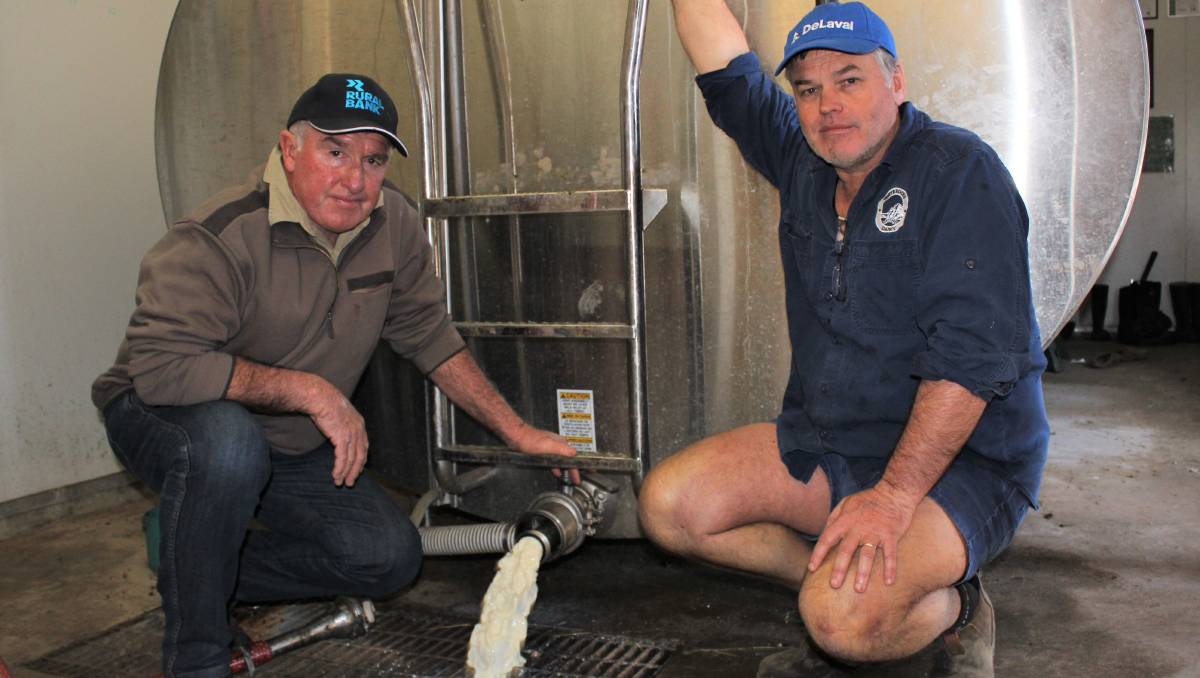
Partridge answers WAFarmers' board call
WAFarmers said Mr Partridge was appointed to the board to fill a "casual vacancy"
-
(0)
-
Bookmark
- Comments (0)
John LaRose Jr.
Topics: Livestock/Meat, Agriculture Global, Economics, Beef Cattle, Research, Ag Australia/NZ, Education,
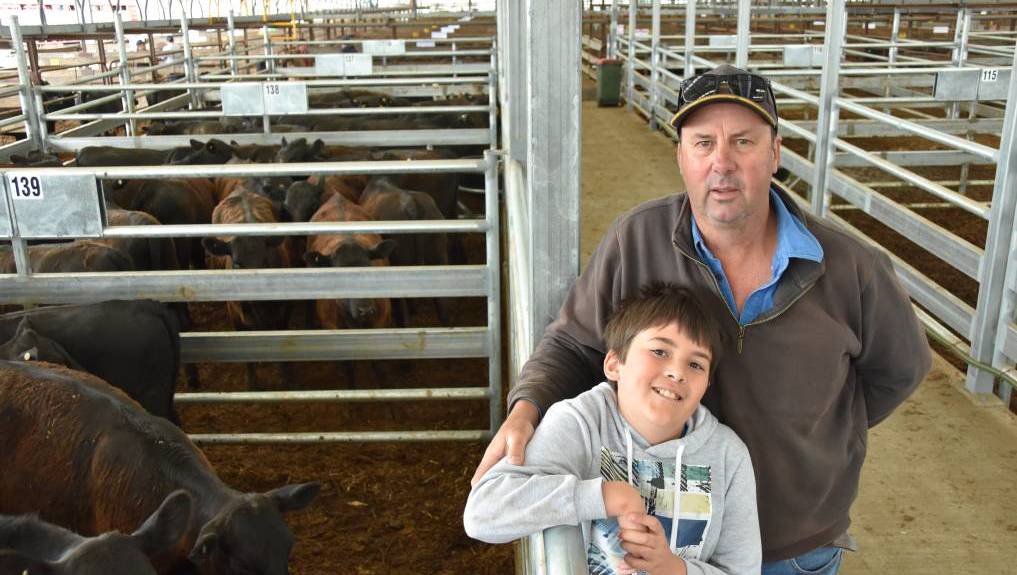
Herd conversion uses Black Simmental to boost calf size
SA grazier Graham Johnson gets 30kg advantage from Simmental cattle.
-
(0)
-
Bookmark
- Comments (0)
John LaRose Jr.
Topics: Water, Research, World Population, Regenerative Agriculture, Education, Weather,

World’s first solar-powered project to extract drinking water from thin air
New technology will extract clean water from air in commercial volumes and operate 24/7 using clean energy.
-
(0)
-
Bookmark
- Comments (0)
John LaRose Jr.
Topics: Agriculture US, Young Farmers, FFA/4-H, Education,
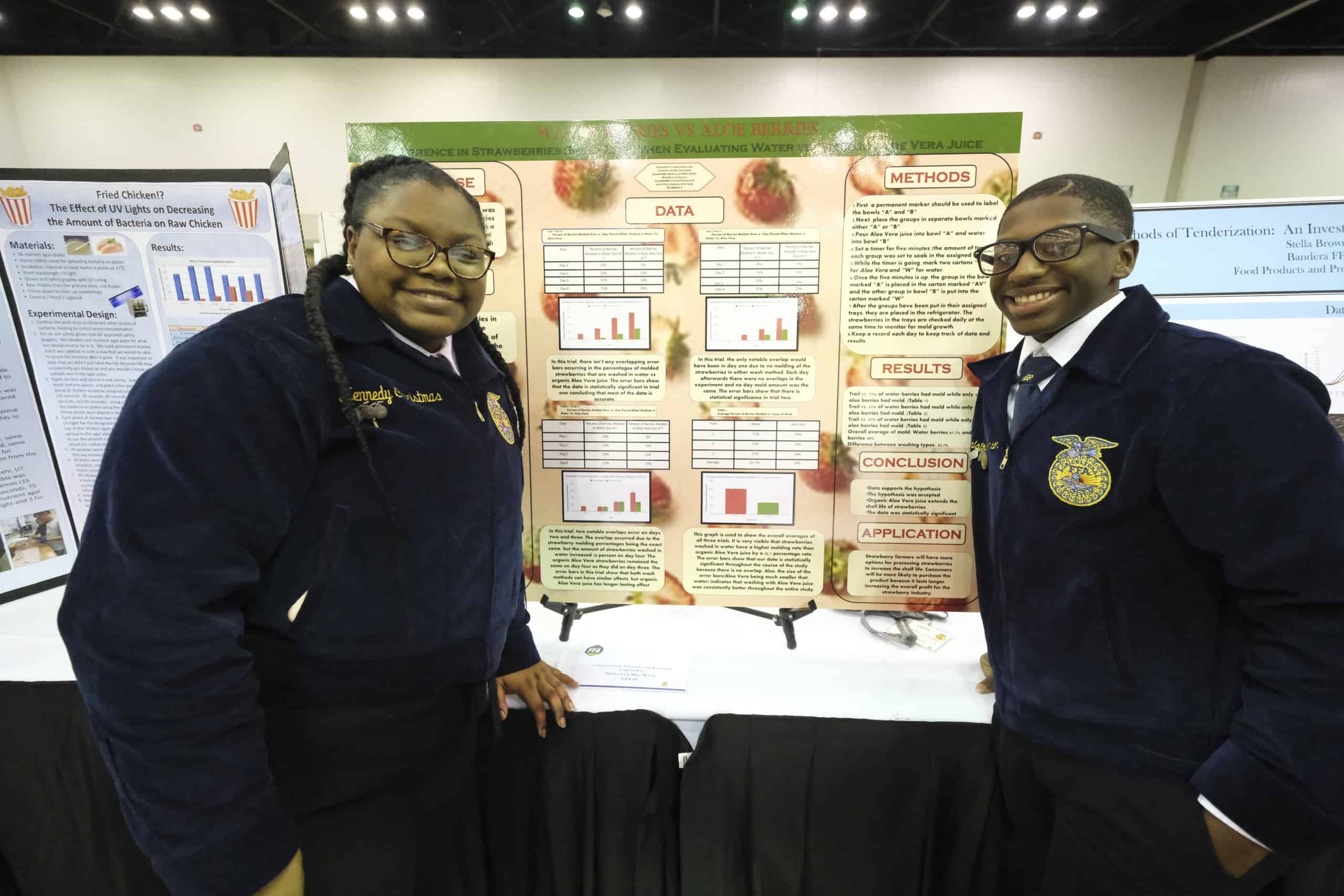
Announcing the 2021 National Chapter, Agriscience Fair and Proficiency Finalists
See who will be competing for the organization's top awards at this year's national convention and expo.
-
(0)
-
Bookmark
- Comments (0)
John LaRose Jr.
Topics: Precision AG , Agriculture Global, Lamb/Sheep, Research, Education,
-
(0)
-
Bookmark
- Comments (0)
John LaRose Jr.
Topics: Agriculture US, Agriculture Global, Poultry, Economics, Research, Education, Animal Health,
-
(0)
-
Bookmark
- Comments (0)
Advertisement