



 John LaRose Jr.
Topics: Soil Health, Sustainability, World Hunger, Climate Change, World Population, Regenerative Agriculture,
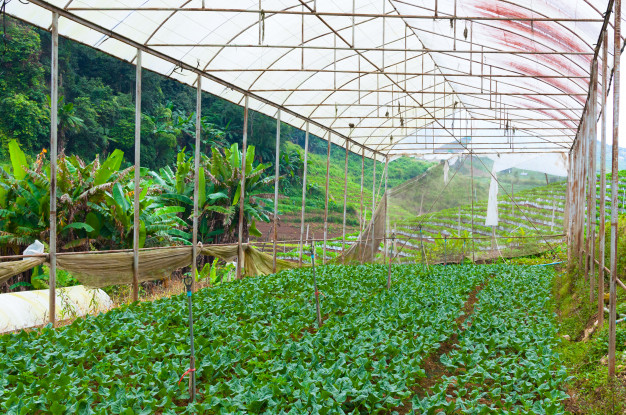
NGO tasks farmers on climate smart agricultural practice -
The Executive Director of GIFSEP, David Michael, made the call on Wednesday at a Capacity Building Workshop organised for the FCT secondary school teachers, who are patrons and matrons of environmental clubs in Abuja.
-
(0)
-
Bookmark
- Comments (0)
09/23/2020 SOURCE: www.weforum.org
Transforming our economy will require new technologies, breakthrough innovation and sustainable business models.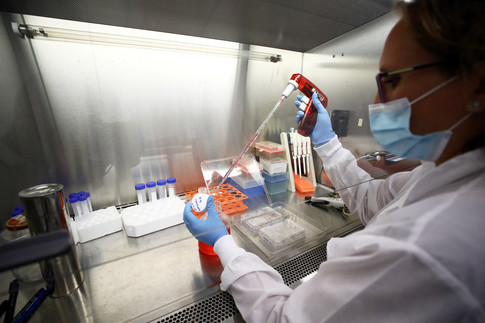
Innovation in health and agriculture. We need to think bigger
-
(0)
-
Bookmark
- Comments. (0)
 Nancy Kavazanjian
Topics: Sustainability, Genes /Genetics, Ag Tech,

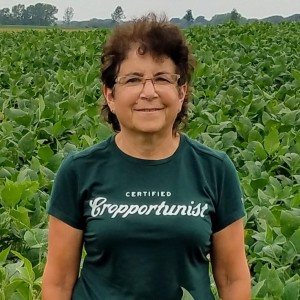
Seeing is Believing: Modern Technology Delivers Change
They say a picture is worth 1,000 words. A video of my farm on social media has attracted more than 50,000 views—and counting. It uses the incredible power of images to convey a simple and imâ¦
-
(1)
-
Bookmark
- Comments (1)
09/23/2020 SOURCE: www.allrecipes.com
Here's how to choose sustainable produce that's good for you and the planet.
How Organic Can Be Less Sustainable Than Conventional Farming
-
(0)
-
Bookmark
- Comments. (0)
09/23/2020 SOURCE: www.worldwildlife.org
Today the Walmart Foundation, Cargill and McDonald’s are investing over $6M in an initiative led by WWF that aims to make lasting improvements to the grasslands of the Northern Great Plains.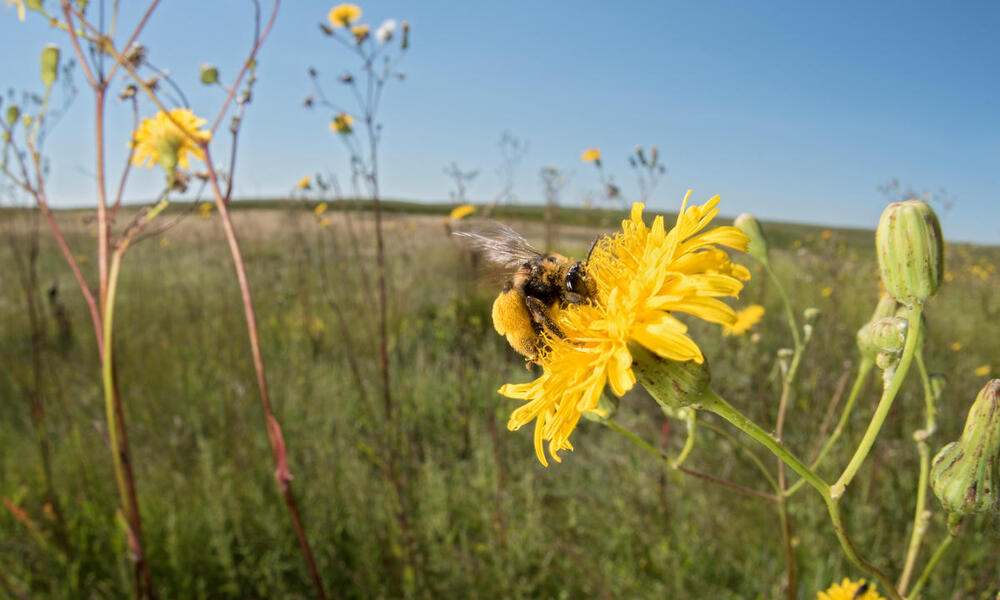
World Wildlife Fund Joins the Walmart Foundation, Cargill, McDonald’s to Launch Million-Acre Grazing Initiative to Help Restore Grasslands, Address Climate Change
-
(0)
-
Bookmark
- Comments. (0)
09/23/2020 SOURCE: www.ksre.k-state.edu

-
(0)
-
Bookmark
- Comments. (0)
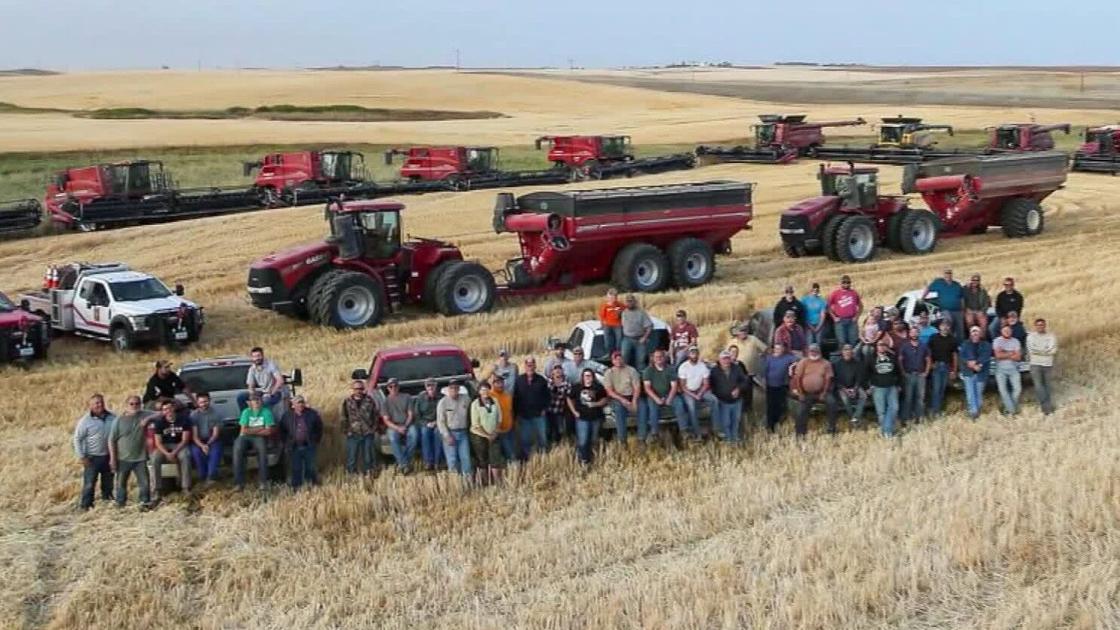
John LaRose Jr.
Topics: Wheat, Agriculture US, Crop Consultant, Young Farmers, Sustainability, Equipment/Machinery, Disability and Agriculture,
-
(1)
-
Bookmark
- Comments (0)
 Randy Krotz
Topics: Soil Health, Agriculture US, Climate Change, Regenerative Agriculture,
I am currently about half way through this documentary. It is new to Netflix today. Primarily the storyline relates to the impact of “industrial” agriculture and how regenerating the soil can reverse climate change.

New Soil Documentary Promises a Powerful Solution to the Growing Effects of Climate Change | Civil Eats
The makers of 'Kiss the Ground' explain how our actions to improve soil and food in the next 20 years will shape a thousand years of human civilization.
-
(1)
-
Bookmark
- Comments (0)
Nancy Kavazanjian
Topics: Ethanol/Biofuel, USDA,
when cooler heads prevail

White House drops plan to bail out oil refiners denied biofuel waivers – sources
The White House has dropped a plan to provide funds from the U.S. Department of Agriculture (USDA) to oil refiners that are denied exemptions from the nation’s biofuel regulations, according to two sources familiar with the matter.
-
(0)
-
Bookmark
- Comments (0)
John LaRose Jr.
Topics: Economics, Sustainability, Research, World Hunger, World Population, Weather,
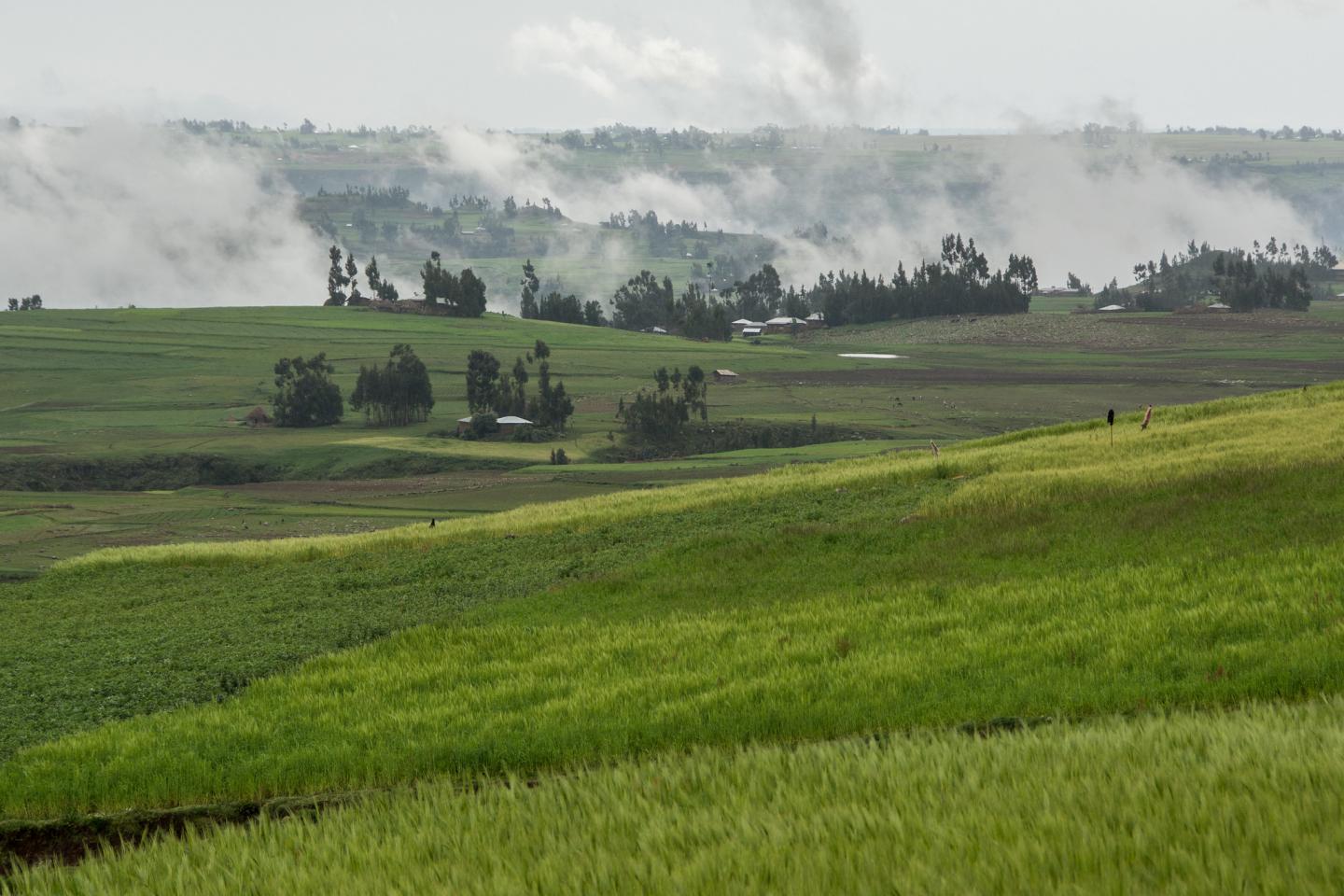
Farmer knowledge is key to finding more resilient crops in climate crisis
A new paper in Frontiers in Plant Science reviews the 'Seeds for Needs' approach that combines farmers' knowledge of resilient crops with 'elite' varieties identified by scientists.
-
(1)
-
Bookmark
- Comments (0)
Advertisement