



 Nancy Kavazanjian
Topics: Agriculture US, Government / Policies,

Baldwin to head Ag Appropriations subcommittee
Baldwin says lawmakers should work hard in Washington D.C. to support the nation's farmers.
-
(1)
-
Bookmark
- Comments (0)
02/17/2021 SOURCE: www.foxbusiness.com
Scott Vanderwal, a third-generation South Dakota farmer, argued that transporting oil on trucks or trains instead of through the Dakota Access Pipeline will create “tremendous competition” for commodities of farmers and will lead to a spike in transportation costs.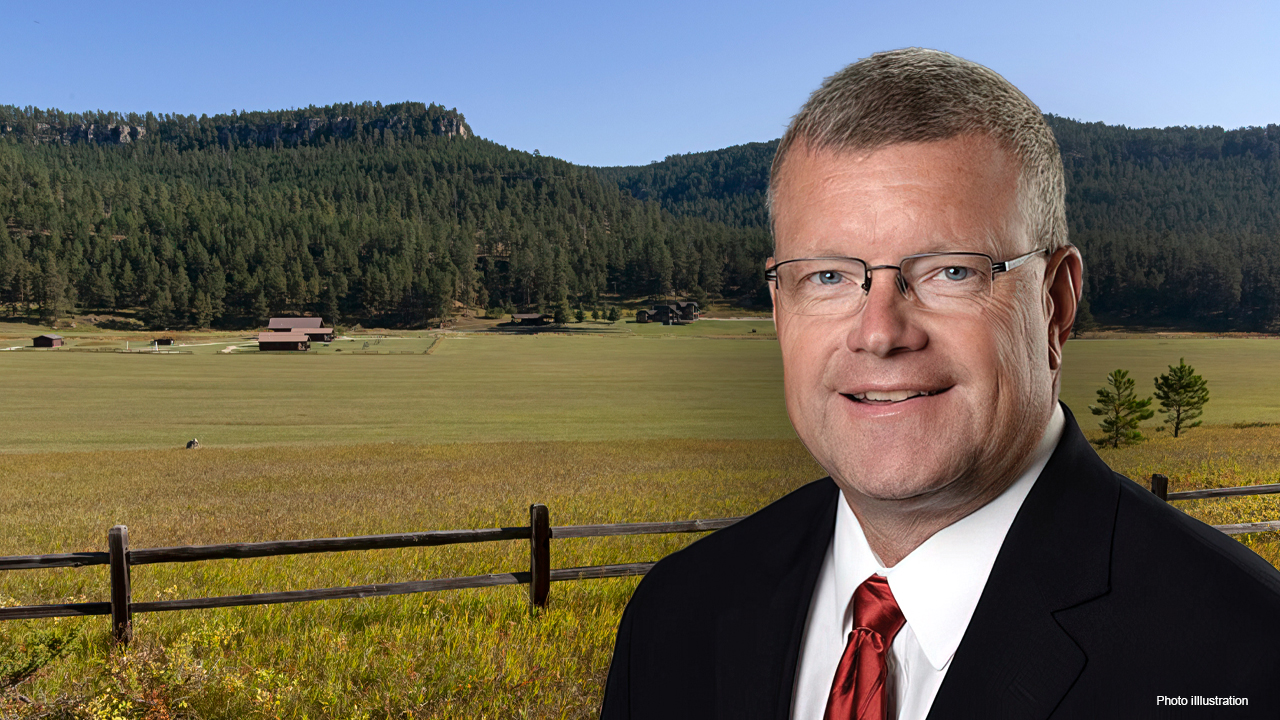
Biden halting Dakota Access Pipeline will increase transportation costs, SD farmer says
-
(0)
-
Bookmark
- Comments. (0)
 John LaRose Jr.
Topics: Agriculture US, Beef Cattle, Weather,
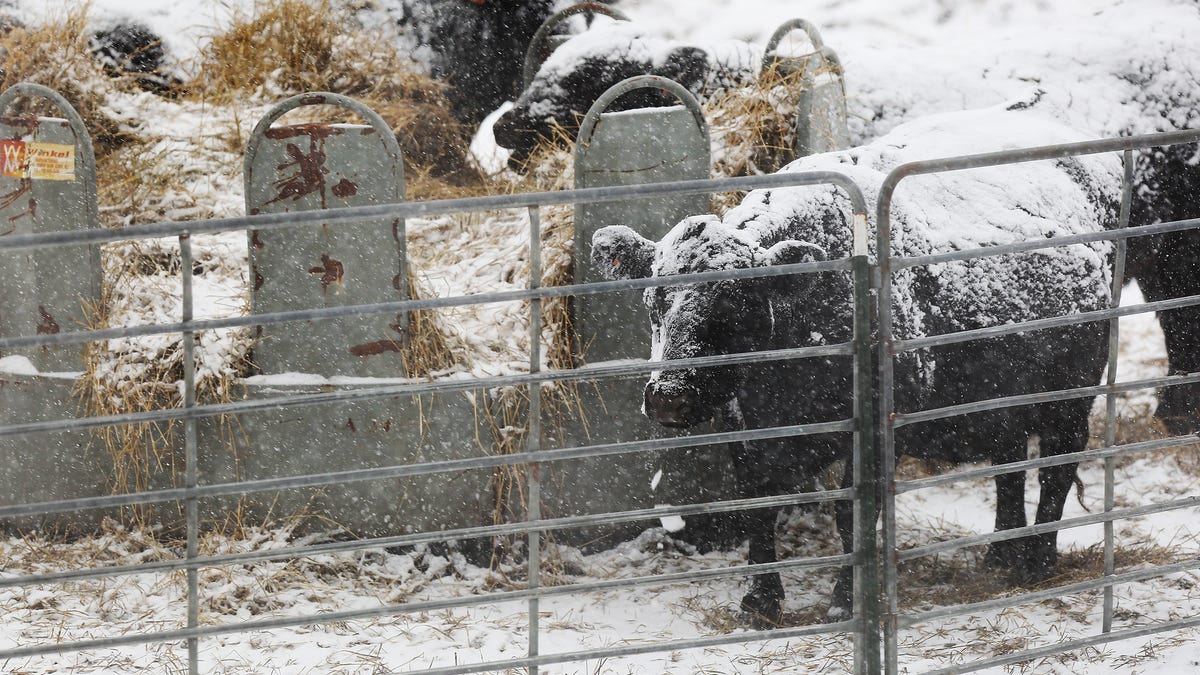
Cattlemen fighting to keep livestock alive and healthy through severe cold
Livestock producers are implementing tactics to protect cattle during severe cold and heavy snow. Here's a look at how they do it.
-
(0)
-
Bookmark
- Comments (0)
John LaRose Jr.
Topics: Soybeans, Agriculture US, Agriculture Global, Education U.S. MidWest, Economics, Sustainability, Research, World Hunger, Ag Africa,
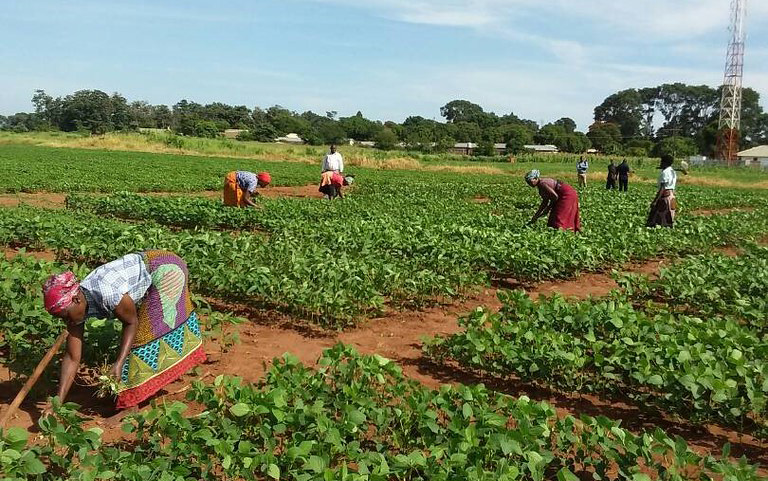
Soybean Innovation Lab provides knowledge that assists soybean production in Africa
URBANA, Ill. – Soybean production in Africa and other developing regions has the potential to alleviate hunger and boost local economies. But the transition from traditional crops such as cowpea or cassava to a major commercial crop such as soybean is fraught with challenges.
-
(0)
-
Bookmark
- Comments (0)
02/16/2021 SOURCE: www.latimes.com
Opinion Editorial
Readers respond positively to an L.A. Times column on reducing beef consumption as a way to fight climate change.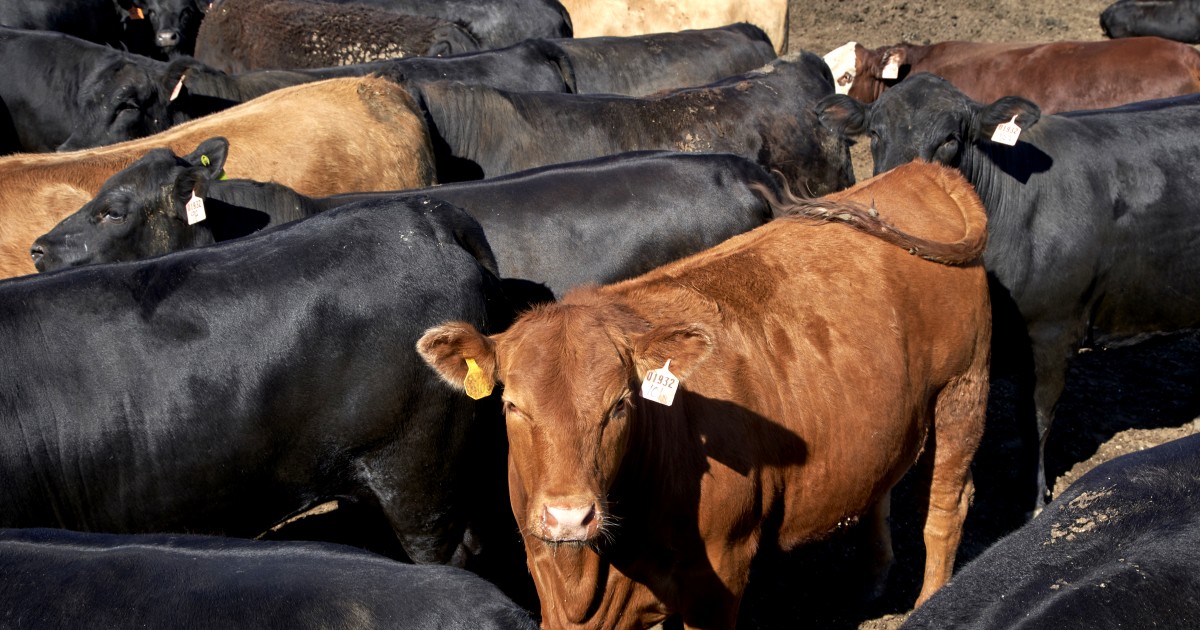
Letters to the Editor: Why you should ignore the cattle industry and stop eating beef
-
(0)
-
Bookmark
- Comments. (0)
 Isaac L
Topics: Commodities, Markets/Pricing, Livestock/Meat, Agriculture US, Economics, Beef Cattle, Weather,
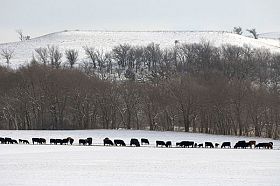
Cold stress: late winter storms cause challenges for cattle
A Kansas State University beef cattle specialist is urging the state’s producers to continue monitoring their cattle’s condition, especially during periods when Mother Nature sends her winter chill.
-
(0)
-
Bookmark
- Comments (0)
Nancy Kavazanjian
Topics: Agriculture US, Economics,
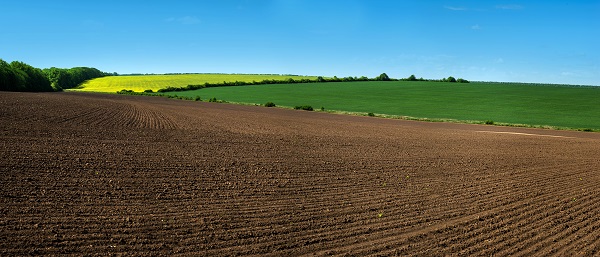
Agricultural Economic Insights | How High? Farmland Values in 2021
The farm economy turnaround has made its way to the farmland market. This week’s post reviews key fundamentals and lies ahead for farmland values in 2021.
-
(1)
-
Bookmark
- Comments (0)
Nancy Kavazanjian
Topics: Agriculture US, Cover Crops, Fertilizer, USDA,
right now it appears that the N just doesn’t evaporate, but given the clays in our soils, and the nature of N mineralization in these cover crops, the N may be tied up in the clay inter-layers, at least temporarily.
Nitrogen Credit from Cover Crops?? (07/18/19) — Crop & Pest Report
Most information on cover crops in books and even from some farmer-speakers indicate that if the carbon (C) to nitrogen (N) ratio (C/N ratio) of the cover crop is less than 30 to 1 then N will be released to the next crop.
-
(0)
-
Bookmark
- Comments (0)
02/15/2021 SOURCE: www.nrdc.org
-
(0)
-
Bookmark
- Comments. (0)
02/15/2021 SOURCE: www.technologyreview.com

-
(0)
-
Bookmark
- Comments. (0)
Advertisement