



 John LaRose Jr.
Topics: Agriculture Global, Crop Diseases, Ag Africa, Weather,

-
(0)
-
Bookmark
- Comments (0)
12/06/2022 SOURCE: www.nifa.usda.gov
The Specialty Crop Research Initiative (SCRI) promotes collaboration, open communication, the exchange of information and the development of resources that accelerate application of scientific discovery and technology to solving needs of the various specialty crop industries. The Specialty Crop Research Initiative (SCRI) promotes collaboration, open communication, the exchange of information and the development of resources that accelerate application of scientific discovery and technology to solving needs of the various specialty crop industries. On Friday, Dec. 9, at 2 p.m. EST, NIFA staff will discuss the SCRI Request for Pre-Application requirements and provide technical assistance to applicants. Across the nation, researchers and Extension specialists at Land-grant Universities funded by the program are addressing critical needs of the specialty crop industries, including conventional and organic food production systems. Fruits and vegetables, tree nuts, dried fruits, and horticulture and nursery crops, including floriculture comprise the bulk of specialty crops. Learn more about some of this NIFA-funded work below. Reducing the Vulnerability of Growers to the Guava Root Knot Nematode Guava root-knot nematode is a highly lethal root-knot roundworm species with the potential to devastate production of multiple crops in the southeastern United States. New resources and information are urgently needed to help farmers manage this aggressive pest that caused the collapse of Brazil’s guava industry. This roundworm is particularly concerning as it can reproduce faster and be more aggressive than other nematode species. Additionally, it has a much wider host range, affecting watermelon, tomato, pepper, carrot, squash, cucumber, soybean, cotton and tobacco crops. Over the last few years, this roundworm has spread across Florida, North Carolina, South Carolina and Puerto Rico, and is being monitored in Louisiana and Georgia. In North Carolina alone, it has been reported in 13 counties, causin...
Land-grant Universities Helping Solve Needs of Specialty Crop Industries
-
(0)
-
Bookmark
- Comments. (0)
-
(0)
-
Bookmark
- Comments (0)

-
(0)
-
Bookmark
- Comments (0)
 Nancy Kavazanjian
Topics: Agriculture US, Crop Diseases,
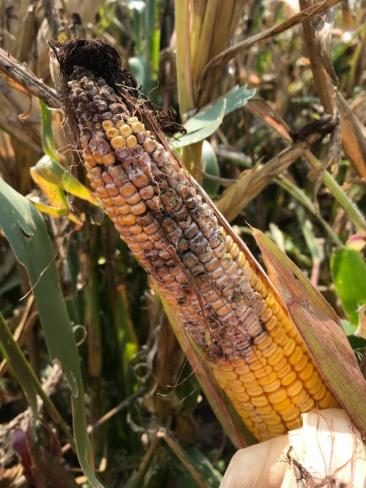
Crown Rot, Stalk Rot, Ear Rot Spotted in Iowa Fields
2022 has had its share of challenges: a wet start, drought, corn root worm, soybean gall midge, pigweed, and (my favorite) tar spot. And now, as we approach harvest, we face final challenges like ear and crown rot.
-
(1)
-
Bookmark
- Comments (0)
Nancy Kavazanjian
Topics: Corn/Maize, Soybeans, Crop Diseases,
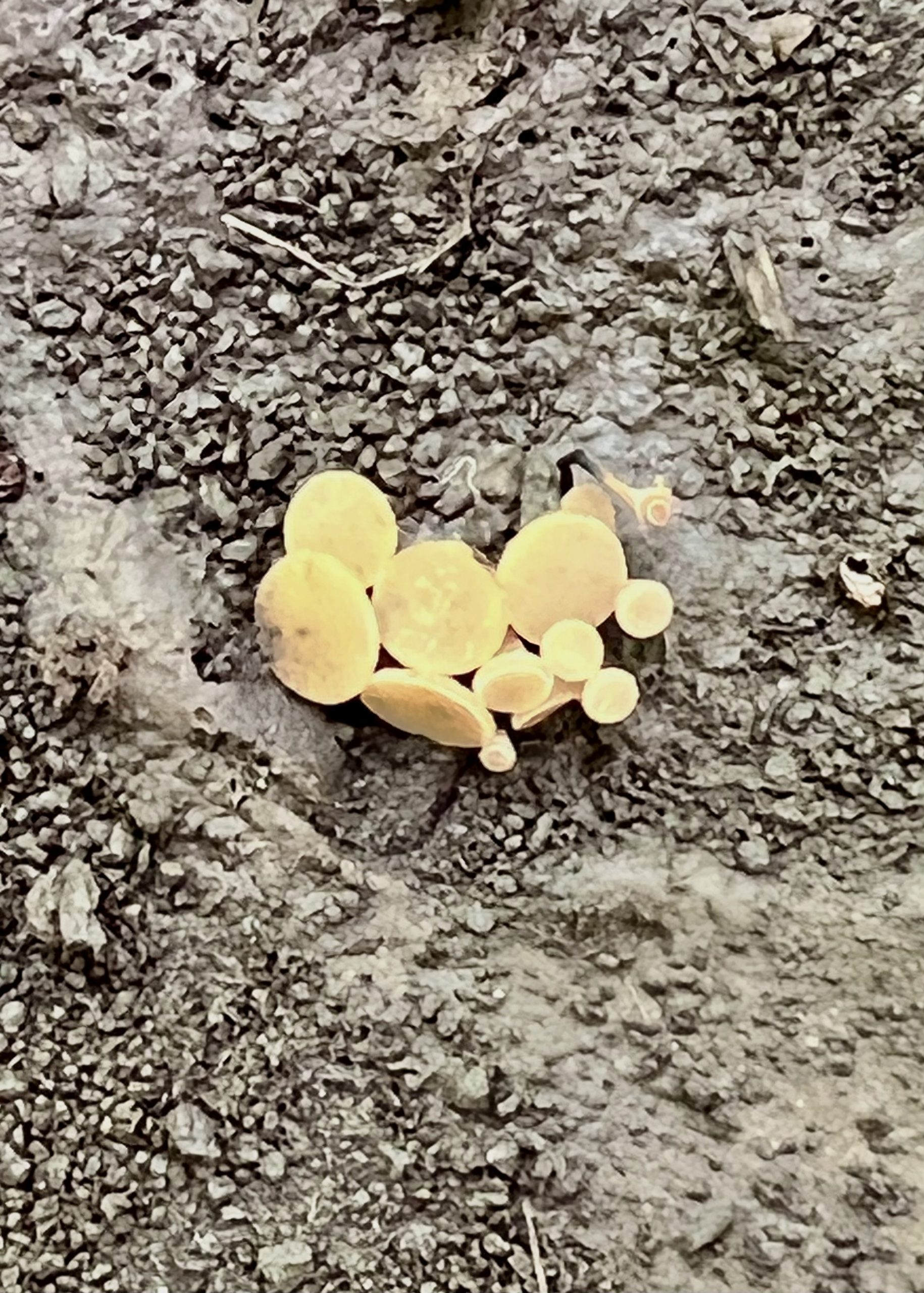
Wisconsin Corn and Soybean Disease Update and Forecast – July 21, 2022 - Badger Crop Doc
Damon Smith, Extension Field Crops Pathologist, Department of Plant Pathology, University of Wisconsin-Madison Roger Schmidt, Nutrient and Pest Management Program, University of Wisconsin-Madison Rain, and the return of more humid weather, has meant that risk of tar spot of corn and white mold of soybean has increased over the past week. Now is the time […]
-
(0)
-
Bookmark
- Comments (0)
 Team AgWiki
Topics: Rice, Crop Diseases,
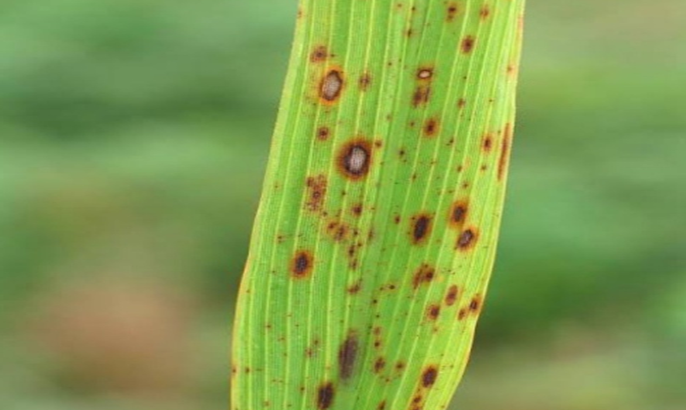
BROWN SPOT IN RICE – casual organism, favourable conditions, symptoms and management methods
Brown spot is otherwise called as sesame leaf spot or Helminthosporiose. Brown spot causes both quality and quantity losses. On average, the disease causes 7% yield loss across all lowland rice production in South and Southeast Asia.
-
(1)
-
Bookmark
- Comments (0)
Nancy Kavazanjian
Topics: Corn/Maize, Soybeans, Crop Diseases, Agronomy,
-
(1)
-
Bookmark
- Comments (0)
-
(0)
-
Bookmark
- Comments (0)
05/06/2022 SOURCE: www.thedailybeast.com
-
(0)
-
Bookmark
- Comments. (0)
Advertisement