



 John LaRose Jr.
Topics: Crop Consultant, Sustainability, World Hunger, Ag Africa, World Population, Regenerative Agriculture,
200,000 farmers to benefit from regenerative agricultural intervention | Bestnaira.com
No fewer than 200,000 farmers are expected to be engaged by the regenerative agricultural intervention in 10 states in Nigeria. x The regenerative initiative, the first of its kind in Nigeria would be piloted across Kano, Cross River, Jigawa, Kaduna,
-
(0)
-
Bookmark
- Comments (0)
John LaRose Jr.
Topics: Corn/Maize, Water, Sustainability, World Hunger, Ag Africa, World Population, Weather,
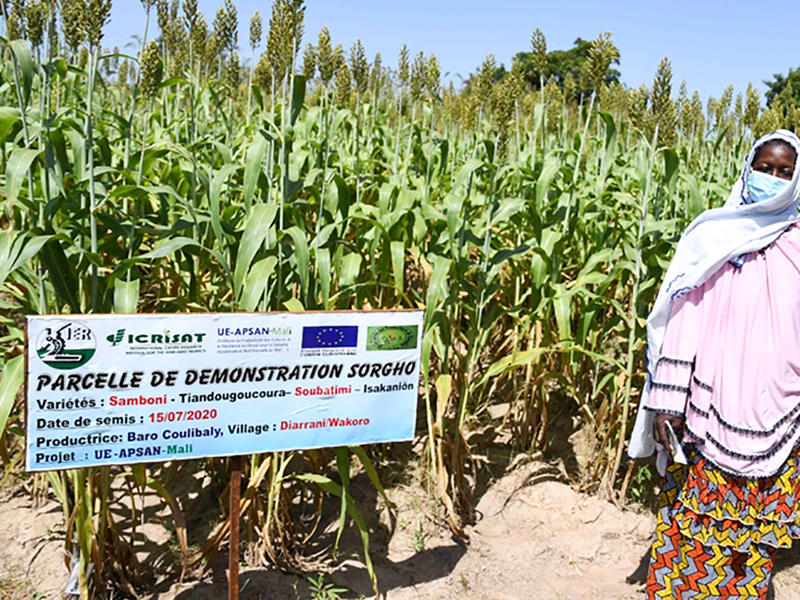
Farmers in Mali endorse climate-resilient and high-yielding crop varieties | News Break
Farmers in Mali, who volunteered to grow climate-resilient and locally adapted varieties of sorghum, pearl millet, groundnut and cowpea crops under the UE-APSAN-Mali project, demonstrated the superior features of their crops during a field visit by other farmers, seed producers and local officials. Small groups of selected highly motivated farmers identified through project implementing partners had carried out testing trials and demonstrations on their pilot plots.
-
(0)
-
Bookmark
- Comments (0)
11/21/2020 SOURCE: www.weforum.org
To ensure everyone in the global food system can benefit from technology, Food Innovation Hubs will drive solutions to meet local challenges and scale impact.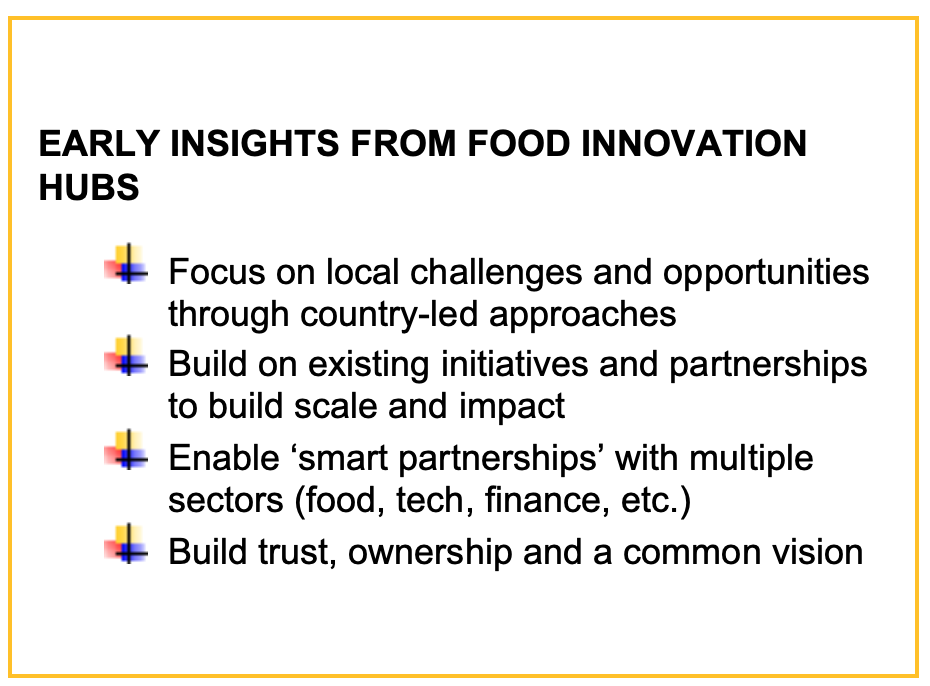
How Food Innovation Hubs will scale technology to transform our food system
-
(0)
-
Bookmark
- Comments. (0)
John LaRose Jr.
Topics: Soil Health, Education U.S. West, Food/Nutrition, Food Waste, Sustainability, Ag Global Specialty Food, World Hunger, World Population,

UC Davis engineers fight food insecurity through sustainable agriculture
By Noah Pflueger-Peters and Constanze Ditterich Associate professor Isaya Kisekka (Lucy Knowles/UC Davis)With the dawn of agriculture, humans became dependent on food production systems that exploit nature’s limited resources of land, water and air. As the world’s population is expected to reach 9–10 billion by 2050 according to the U.N., the world must double food production to meet demand while using and reusing the resources we have left in a sustainable manner. Ruihong Zhang and Isaya Kisekka at UC Davis are rising to meet the challenge by finding new ways to sustainably produce food, while conserving resources by using microbes to produce new sources of protein and managing and irrigating crops with pinpoint precision. “We really need to think hard about how to be climate-smart and optimize our resources,” said Kisekka. Harnessing the power of microbes Zhang, professor of biological and agricultural engineering, says one way to produce food more sustainably is by tapping into the huge potential of microbes like fungi and algae. Growing livestock is an expensive and time-consuming process due to the land, resources and time that are needed, leading to a huge carbon footprint. By contrast, microbes such as fungi and algae can grow in less than a week in any climate and require a small fraction of the space and resources. “We want society to start paying more attention to microbes as alternative food sources,” she said. “There are a lot of benefits environmentally and economically, especially for populations who live in areas that have very limited land for growing crops.” Eating fungi and algae is nothing new, as mushrooms and seaweed are staples of diets around the world. Zhang plans to innovate by harvesting these microbes using agricultural byproducts such as almond hulls and carrot and tomato pomace, the material that’s left over after pressing for juice or oil. This method improves the sustainability of the entire food production system, as what was once waste gets broken down i...
-
(0)
-
Bookmark
- Comments (0)
John LaRose Jr.
Topics: Beekeeping, Research, Ag Europe, World Hunger, World Population, Pollinators, Coronavirus/COVID,
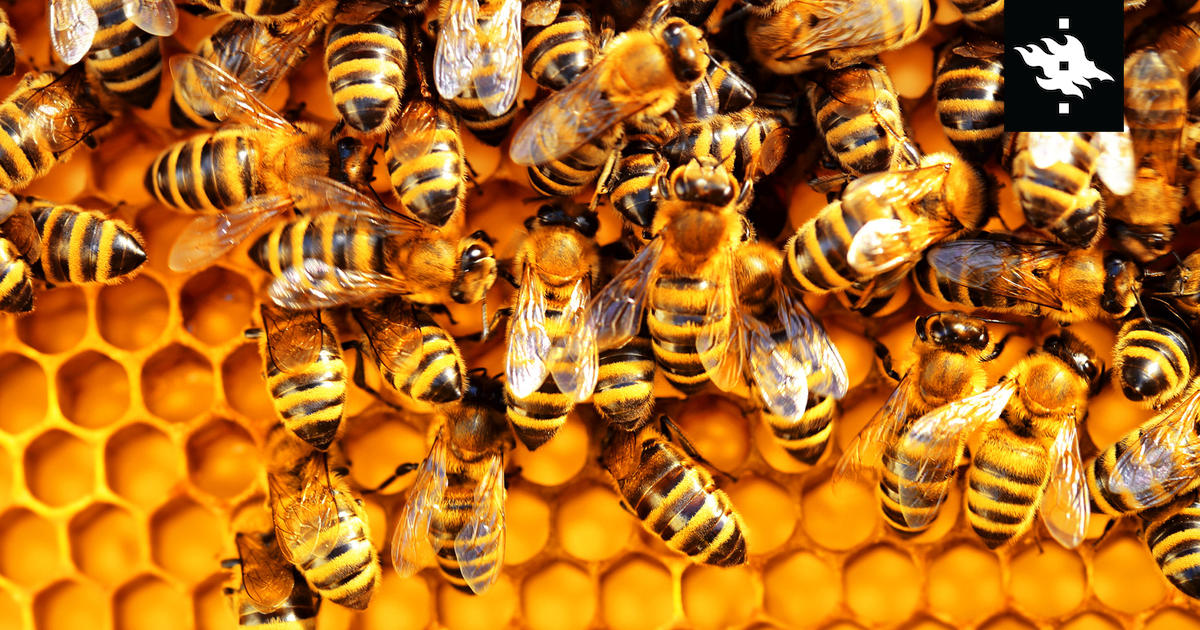
The first-ever insect vaccine helps bees stay healthy | University of Helsinki
The easily administered Dalan AH oral vaccine, previously PrimeBEE, could give invaluable support for food production worldwide.
-
(0)
-
Bookmark
- Comments (0)
John LaRose Jr.
Topics: Agriculture Global, Conservation/Tillage, Research, World Hunger, Government / Policies, Ag Africa, World Population,
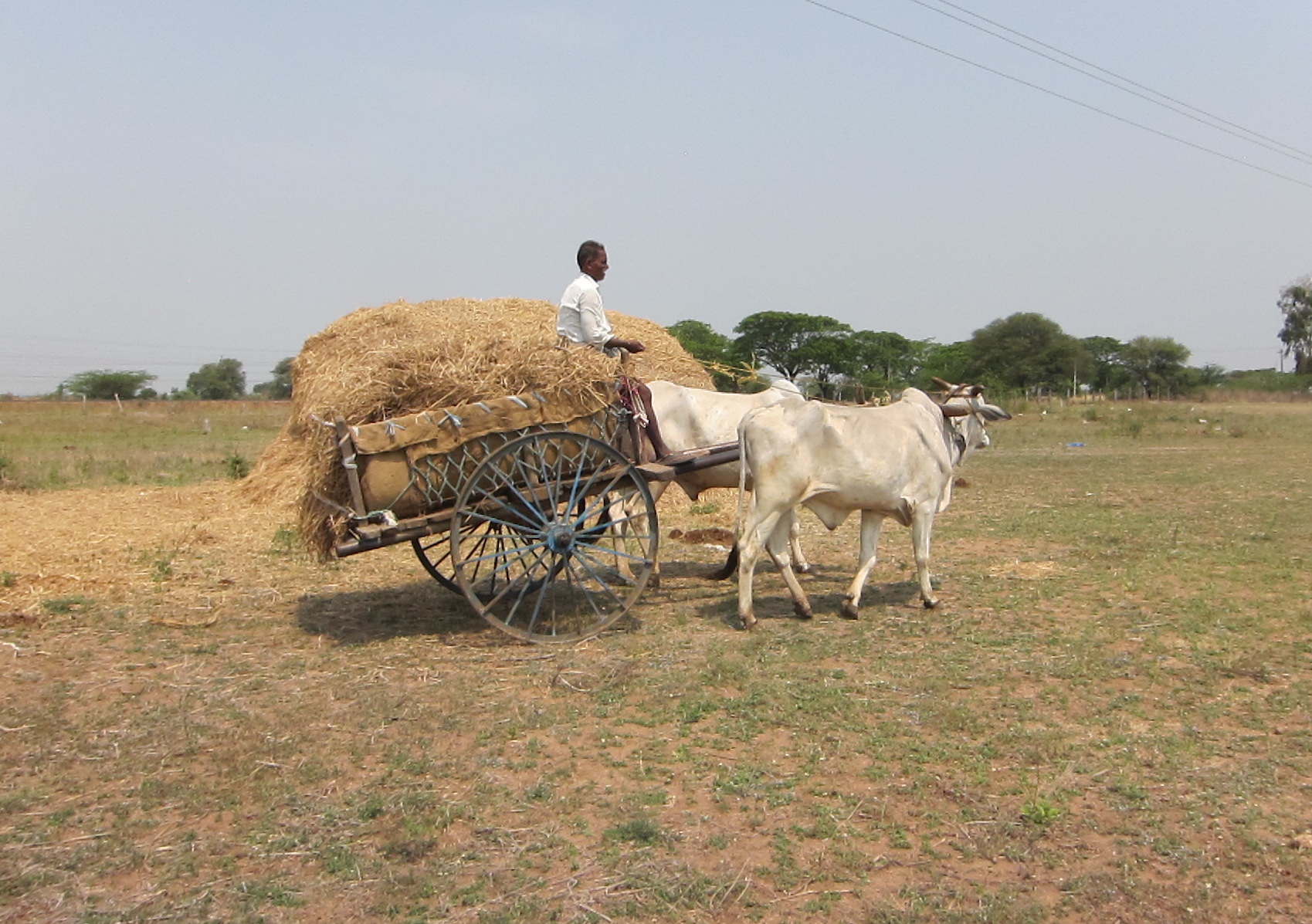
Agroecology must be based in reality, not romanticism, panelists agree - Alliance for Science
Agroecology has a role to play in transforming agriculture — so long as the movement doesn’t trump the science or farmers’ needs. That was the consensus of the three panelists who joined the “Agroecology: What is it, anyway?” webinar hosted on Alliance for Science Live. Agroecology is both a science and a movement, merging the […]
-
(0)
-
Bookmark
- Comments (0)
John LaRose Jr.
Topics: Wheat, Corn/Maize, Rice, Cotton, Vegetables, GMO's, Cassava, Fertilizer, Genes /Genetics, World Hunger, Ag Africa, World Population,

Nigerian farmer chooses innovation for healthier crops, better harvests - Alliance for Science
Patience Koku knows better than most the damage that bollworms can cause to a textile industry. A former fashion entrepreneur, Koku watched in frustration as the pests devastated cotton crops across Nigeria, bringing the entire textile industry to its knees. Although the entrepreneurial farmer left fashion years ago to grow rice, soy, maize and vegetables […]
-
(0)
-
Bookmark
- Comments (0)
John LaRose Jr.
Topics: Cover Crops, Vegetables, World Hunger, Government / Policies, World Population, Regenerative Agriculture,
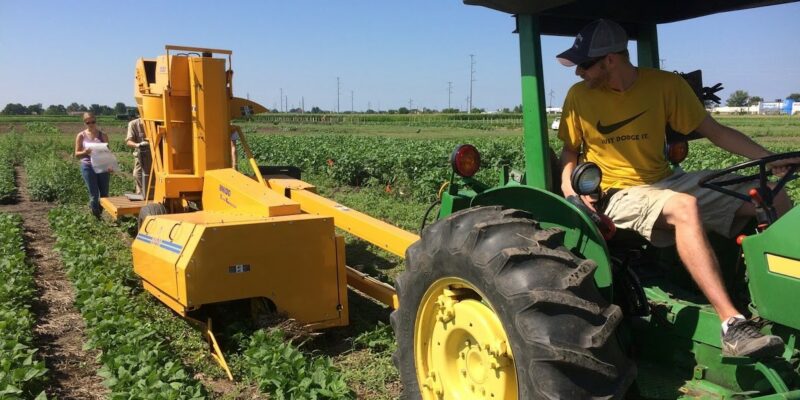
Cover crop could solve weed problems for edamame growers - The Global Plant Council
For vegetable growers, weeds can mean lost income from reduced yield and foreign plant matter contaminating the harvest. But for many crops, particularly vegetable legumes, weed management options are very limited. A new study shows early-terminated rye could be a promising part of an integrated weed management program for some vegetable legumes, including edamame.
-
(0)
-
Bookmark
- Comments (0)
11/18/2020 SOURCE: allianceforscience.cornell.edu
Kenya has taken a major step toward increasing its food and animal feed production, while reducing pesticide use, by planting genetically modified (GM) insect-resistant maize in open fields. With this latest development, Kenyan farmers are now closer to growing GM (Bt) maize on their farms. The Bt maize planted earlier in western Kenya is already […]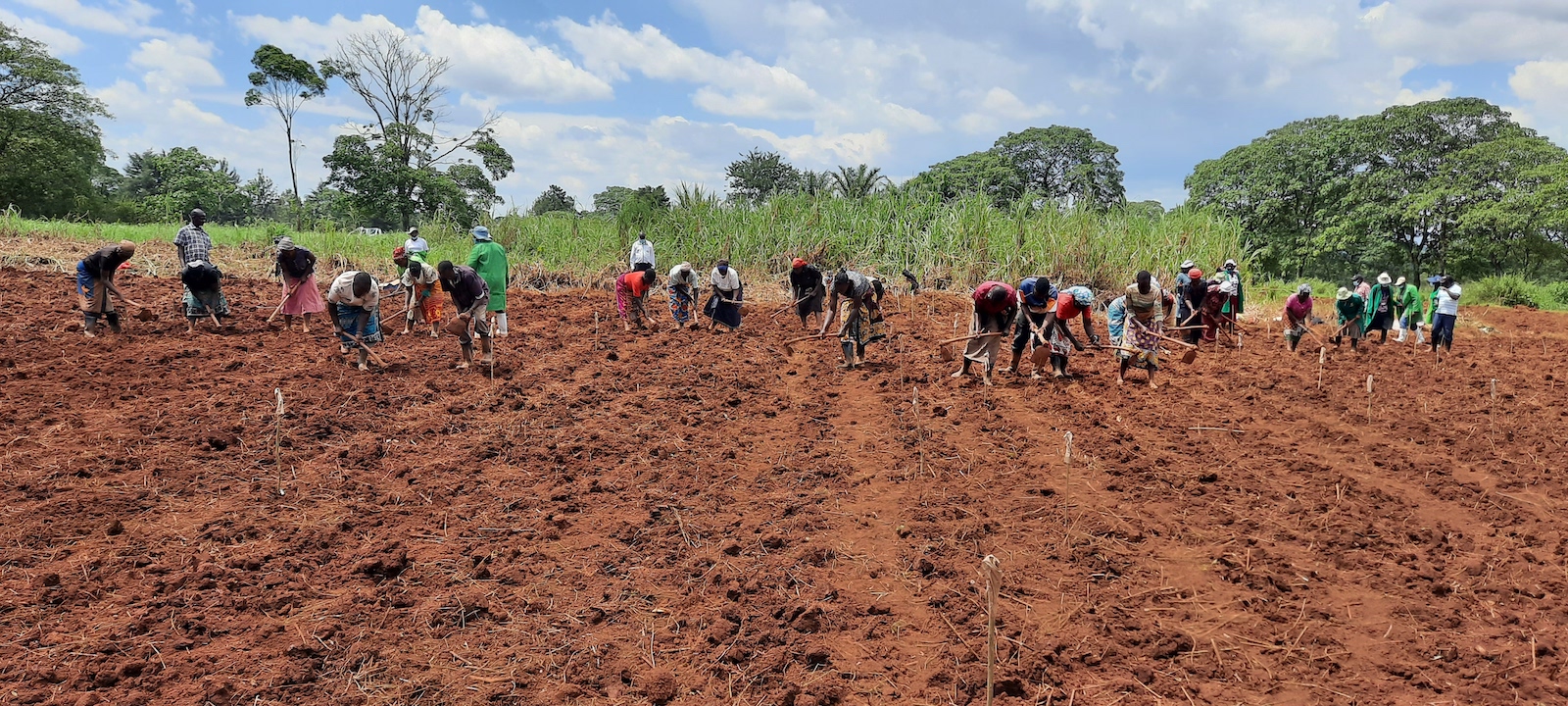
Kenya advances GM maize to increase yields, reduce pesticide use - Alliance for Science
-
(0)
-
Bookmark
- Comments. (0)
11/18/2020 SOURCE: www.prnewswire.com
The survey inquired about the experiences of 2,000 Americans, and found that 79% of survey respondents struggled to find the support they needed when they were faced with food insecurity due to the COVID-19 pandemic.
/PRNewswire/ -- Danone North America's Two Good® Yogurt today released results from an online survey conducted around the impact and prevalence of food...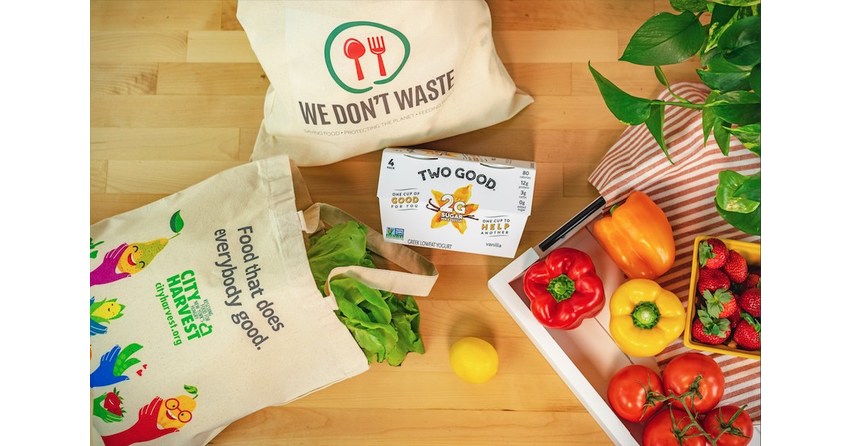
New Survey Explores Evolving Dynamics of Those Experiencing Food Insecurity for the First Time in COVID Era
-
(0)
-
Bookmark
- Comments. (0)
Advertisement