



 John LaRose Jr.
Topics: Agriculture Global, Cocoa, Food/Nutrition, Ag Global Specialty Food, Government / Policies, Education,
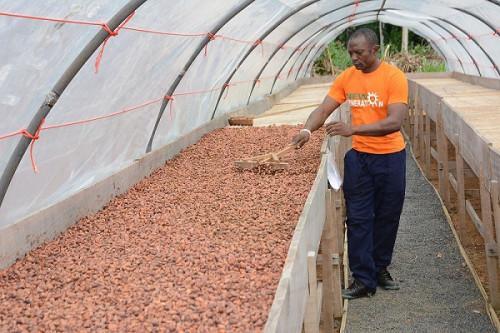
Cameroon to open a cocoa academy in collaboration with French chocolate makers - CameroonOnline.org
Business in Cameroon | Today May 27, a delegation of the French Chocolate makers’ union is scheduled to meet the Cameroonian Minister of Agriculture and Rural Development (MINADER). According to credible sources, during the audience, MINADER Gabriel Mbairobe and the delegation will sign the framework agreement for the creation of a 12-hectare cocoa academy baptized …
-
(0)
-
Bookmark
- Comments (0)
John LaRose Jr.
Topics: Agriculture Global, Food/Nutrition, Food Waste, Sustainability, World Hunger, Government / Policies, World Population, Food Security/Shortage,
-
(0)
-
Bookmark
- Comments (0)
John LaRose Jr.
Topics: Precision AG , Agriculture US, Pesticides, Crop Consultant, Agriculture Global, Economics, Pest Control, Sustainability, Research, Education,
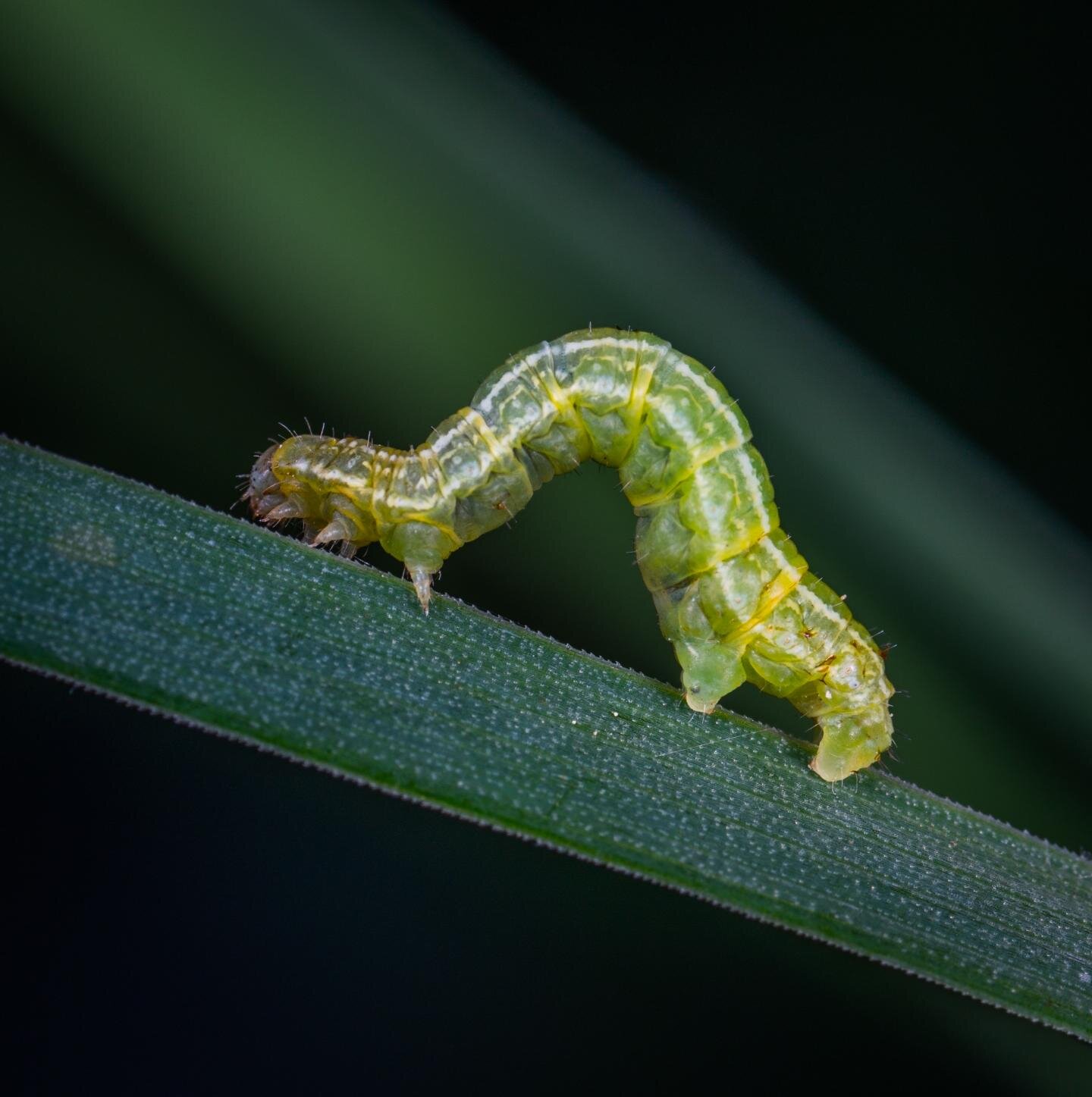
Agricultural pests rely on bacteria to overcome plant defenses - Florida News Times
Recent studies suggest that insect larvae may rely on a microscope partner to help eat the leaves of the plant. Credits: Pexels’ Egor Kamelev Insect larvae may appear harmless to humans, but many of them can be very dangerous to feeding plant species, some of which are important crops. Plants cannot escape danger like animals, …
-
(0)
-
Bookmark
- Comments (0)
John LaRose Jr.
Topics: Agriculture US, Forestry, Agriculture Global, Economics, Sustainability, Research, Education,
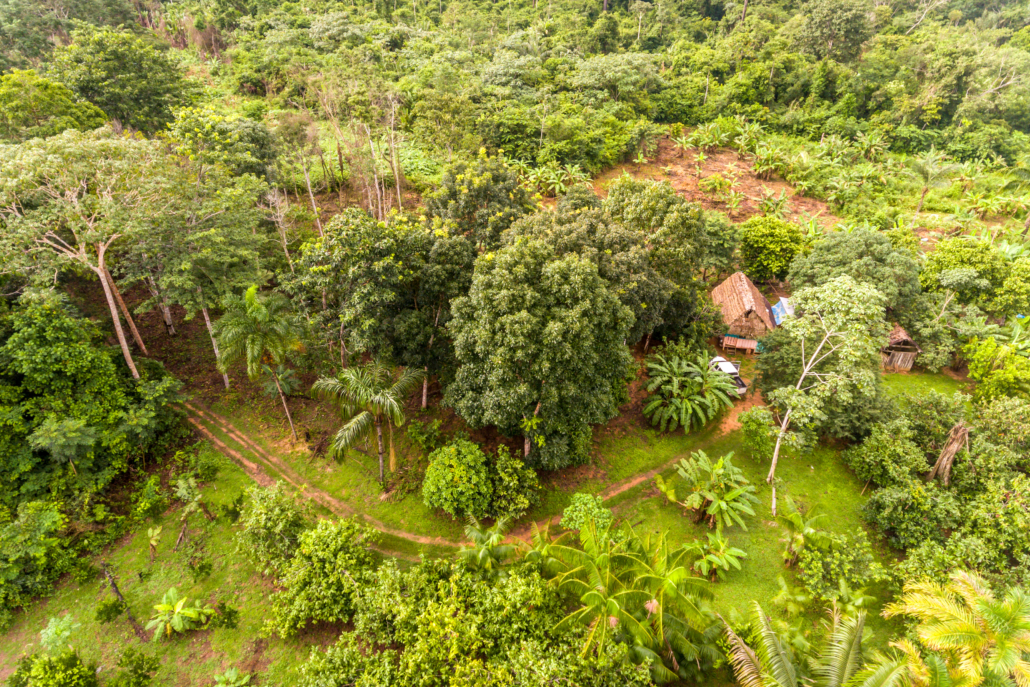
Investors Say Agroforestry Isn’t Just Climate Friendly — It’s Also Profitable - Regeneration International
Investments in agroforestry systems are growing along with the recognition that this model of farming is climate-friendly, environmentally sustainable, and profitable.
-
(0)
-
Bookmark
- Comments (0)
John LaRose Jr.
Topics: Agriculture US, Crop Consultant, Agriculture Global, Beekeeping, Economics, Sustainability, Pollinators, Education,
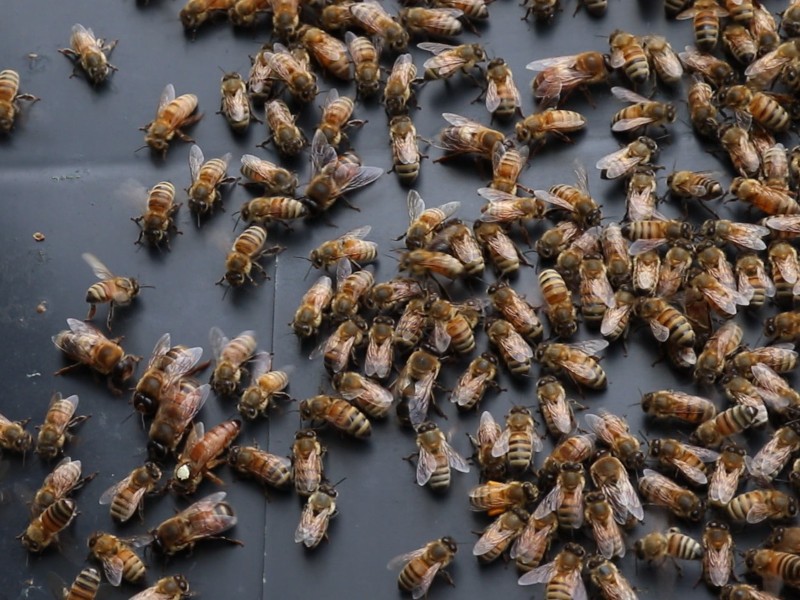
UNG Professor: pollinator decline could affect economy and agriculture
Bees and other pollinators are key to keeping plants and crops alive, not just in North Georgia, but across the entire world.
-
(0)
-
Bookmark
- Comments (0)
John LaRose Jr.
Topics: Organic, Forestry, Agriculture Global, Fruit, Research, Trade (Commodities), World Hunger, World Population,
-
(0)
-
Bookmark
- Comments (0)
John LaRose Jr.
Topics: Precision AG , Livestock/Meat, Agriculture Global, Economics, Beef Cattle, Research, Ag Asia / Pacific, Government / Policies,
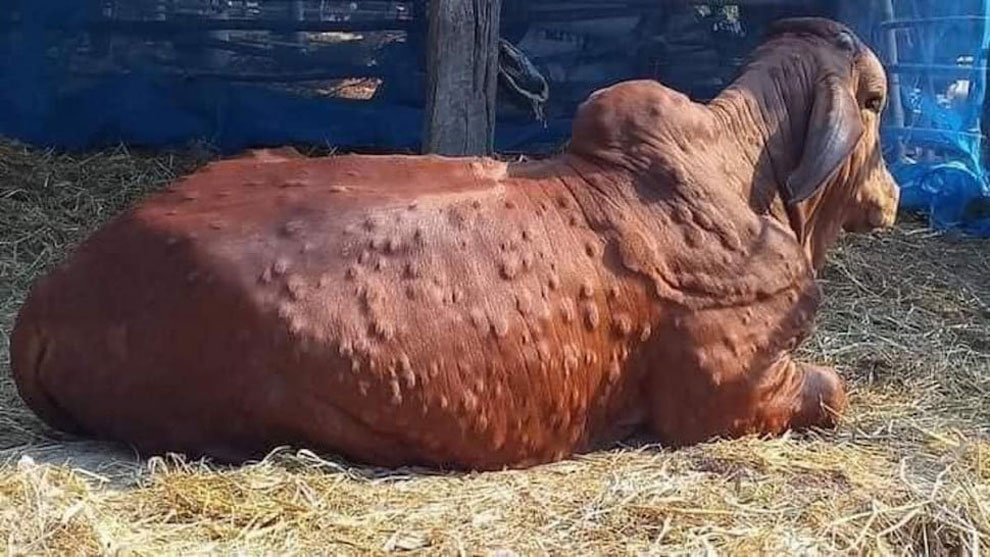
Threat of cattle disease has Agri Ministry mulling vaccine
The Directorate of Animal Health and Production under the Ministry of Agriculture, Forestry and Fisheries is mulling the import of a vaccine from Thailand or Vietnam to prevent a debilitating spread of “Lumpy skin disease” (LSD) in Cambodia’s cattle industry.
-
(0)
-
Bookmark
- Comments (0)
John LaRose Jr.
Topics: Agriculture Global, Economics, Research, World Population, Coronavirus/COVID,
-
(0)
-
Bookmark
- Comments (0)
 Matthew Kroger
Topics: Wheat, Corn/Maize, Soil Health, Soybeans, Precision AG , Irrigation, Markets/Pricing, Oats, Livestock/Meat, Dairy, Sugarcane, Crawfish, Agriculture US, Ryegrass, Organic, Vegetables, Crop Consultant, Education U.S. NorthEast, Agriculture Global, Education U.S. SouthEast, Education U.S. MidWest, Education U.S. West, Education U.S. SouthWest, Ethanol/Biofuel, Ag Podcast US, Cocoa, Conservation/Tillage, Water, Lamb/Sheep, Hobby Farming, Young Farmers, Drones UAV, Beyond Organic , FFA/4-H, Food Waste, Gardening, Sustainability, Aquaculture/Fish Farming, Fishing (Commercial), Beef Cattle, Animal Welfare/Humane Treatment, Antibiotics, Goats, Alfalfa/Hay, Cassava, Almonds, Crop Diseases, Peanuts, Potatoes, Tobacco, Fermentation/Vineyard/Wine, Grapes, Research, Transportation, Ag India, Ag Russia & CIS, Ag United Kingdom, Ag Europe, Ag Global Specialty Food, Ag Asia / Pacific, Culinary , Trade (Commodities), Apps / Software, FDA, USDA, Bison/Buffalo, Estate Planning, Vertical Farming, Ag Tech, Ag Innovation, Ag Startups & Financing, Bread / Yeast, Urban Farming, Cellular Meat, Vegan, Climate Change, Disability and Agriculture, Ag Africa, World Population, Plant-Based/Animal Free, Ag South America, Brazil, Regenerative Agriculture, Ag Australia/NZ, Sugar, Sugar Beets, Ag Podcast Global, Renewable Energy (Solar/Wind), Ranching, Pollinators, Agronomy, Plant Breeding, Blockchain, Pecans, Tomato, AgriBusiness, Coronavirus/COVID, Ag Middle East, Ag Labor, Ag North America, Consumer/Retail, AI/Artificial Intelligence, Education, Canola, Weather, ZAT, Safety (Farm/Production), Commodity/Trade Groups, US EPA, seafood, Animal Health, Carbon Farming,
Why is it we now live in an age where the preposterous out right lies of politicians are accepted as truths and gospel, but people who tell the truth have to seek asylum in another nation? When did this not only become OK but the norm? What legacy are we leaving and what are we leaving our children?...Read More

-
(1)
-
Bookmark
- Comments (1)
John LaRose Jr.
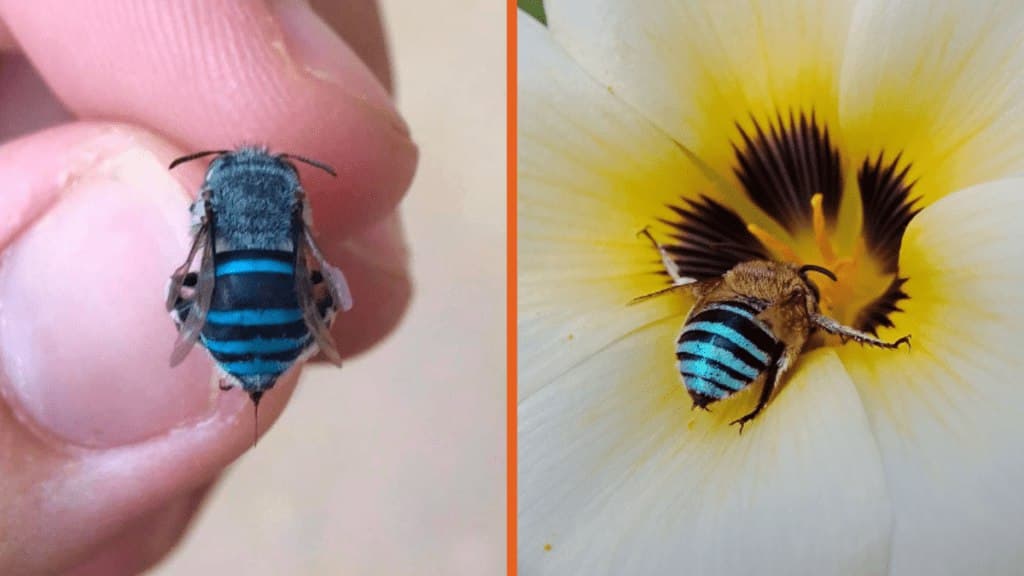
Topics: Crop Consultant, Agriculture Global, Beekeeping, Research, Regenerative Agriculture, Pollinators,
-
(1)
-
Bookmark
- Comments (0)
Advertisement