



10/21/2020 SOURCE: www.reuters.com
European Union agriculture ministers agreed on Wednesday to set aside part of the bloc's massive farming policy budget for programmes that protect the environment.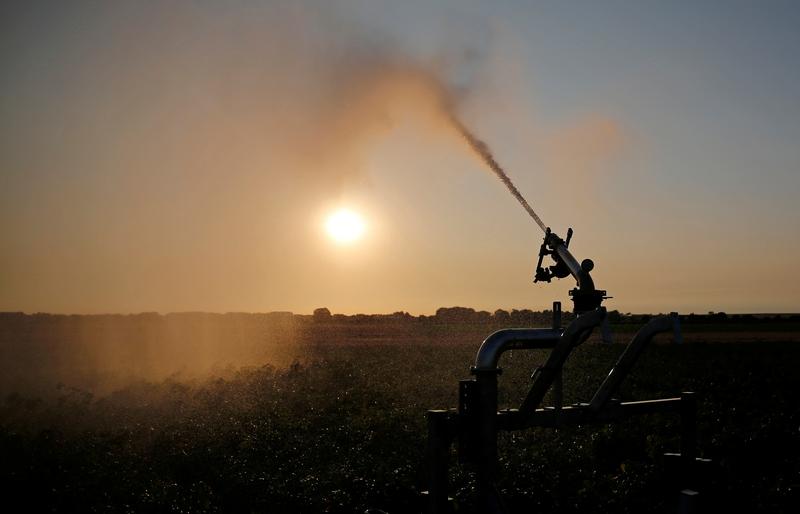
EU countries back binding green farming schemes
-
(0)
-
Bookmark
- Comments. (0)
 John LaRose Jr.
Topics: Livestock/Meat, Poultry, Sustainability, Pork/Swine/Pig/Hog, Research, Ag Europe,

Lucky break for red clover's hidden virtues
A new consortium of academics and industry leaders believes red clover could be a sustainable protein source for monogastric livestock, and a source…
-
(1)
-
Bookmark
- Comments (0)
John LaRose Jr.
Topics: Corn/Maize, Cotton, Sugarcane, Agriculture US, Vegetables, GMO's, Potatoes, Research, CRISPR/Gene Editing, Ag Europe, Genes /Genetics, World Hunger, World Population,

The place of Europe in the new plant breeding landscape: evolution of field trials
Abstract CRISPR-cas gene editing in crop plants could significantly speed up the progress of breeding programs. Strikingly in the agricultural sector, the number of CRISPR-cas patents originating from Europe trails far behind the USA and China. Examining field trials is another mean to compile biotechnological innovation in plant breeding. We examined field trials since 2002 […]
-
(0)
-
Bookmark
- Comments (0)
 Randy Krotz
Topics: Pork/Swine/Pig/Hog, Ag Europe,
Germany finds one new swine fever case in wild boar
HAMBURG, Oct 16 (Reuters) - One more case of African swine fever (ASF) has been found in the wild boar population in Brandenburg, the eastern German region's government said on Friday.That brings the number of confirmed cases to 70 since the first on Sept. 10. All were in wild animals in the region and no farm pigs have been affected so far.China and other pork buyers banned imports of German pork after the first case was confirmed, causing Chinese pork prices to surge and German prices to fall.
-
(0)
-
Bookmark
- Comments (0)
John LaRose Jr.
Topics: Young Farmers, Sustainability, Ag Europe, World Hunger, World Population,
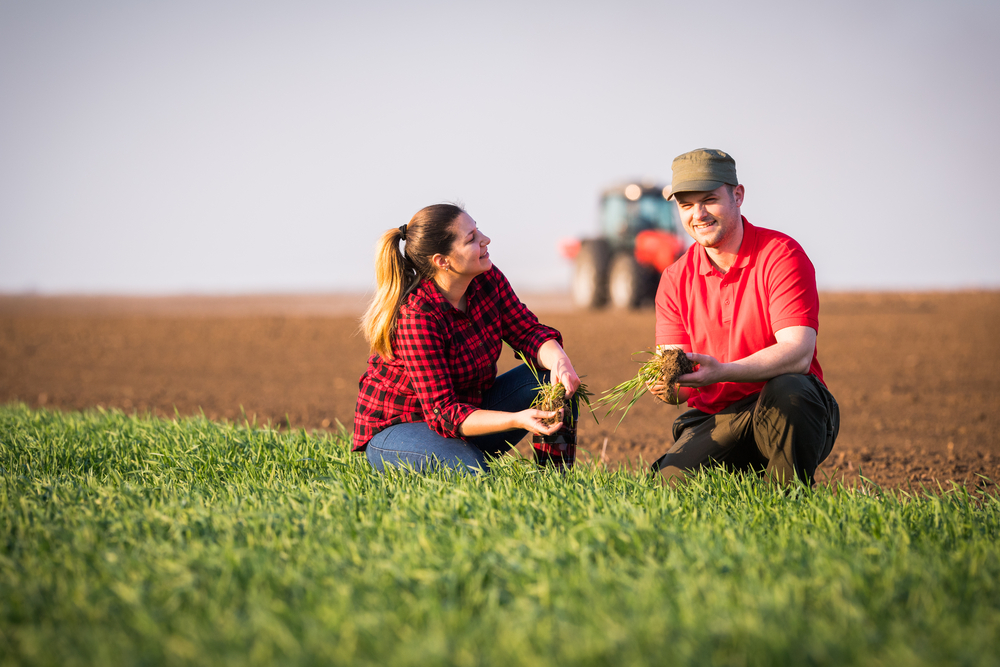
Young farmers need a toolbox 'as broad as possible' to achieve Farm to Fork goals
Ensuring that food producers will be provided with the appropriate alternatives is the best way to make progress in meeting the specific objectives set up in the new Farm to Fork strategy (F2F), according to young European farmers interviewed by EURACTIV.
-
(1)
-
Bookmark
- Comments (0)
John LaRose Jr.
Topics: Livestock/Meat, Lamb/Sheep, Economics, Ag Europe, World Population, Regenerative Agriculture, Ag Australia/NZ, Renewable Energy (Solar/Wind),

-
(0)
-
Bookmark
- Comments (0)
 Nancy Kavazanjian
Topics: Livestock/Meat, Aquaculture/Fish Farming, Ag Europe, Vertical Farming,

Ÿnsect raises $372 million for “the first carbon negative and largest vertical farm in the world”
Insect farming startup Ÿnsect has extended its Series C funding to $37
-
(0)
-
Bookmark
- Comments (0)
10/11/2020 SOURCE: www.euractiv.com
The German Federal Ministry of Transport might be heading for difficult times in the next decade. On the one hand, the department is under pressure from the EU Effort Sharing Regulation (ESR), writes Elmar Baumann.
Difficult times for Germany’s transport ministry - biofuels could alleviate worries
-
(0)
-
Bookmark
- Comments. (0)
Nancy Kavazanjian
Topics: CRISPR/Gene Editing, Ag Europe, Genes /Genetics, Biotech,

Expert warns about strict regulation of new plant breeding methods in the EU
New technologies in plant breeding, especially gene editing technologies such as nobel-prize winning CRISPR, enable the targeted and precise modification of the genetic material of plants. In 2018, the ...
-
(0)
-
Bookmark
- Comments (0)
John LaRose Jr.
Topics: Fermentation/Vineyard/Wine, Grapes, Ag Europe, Climate Change,
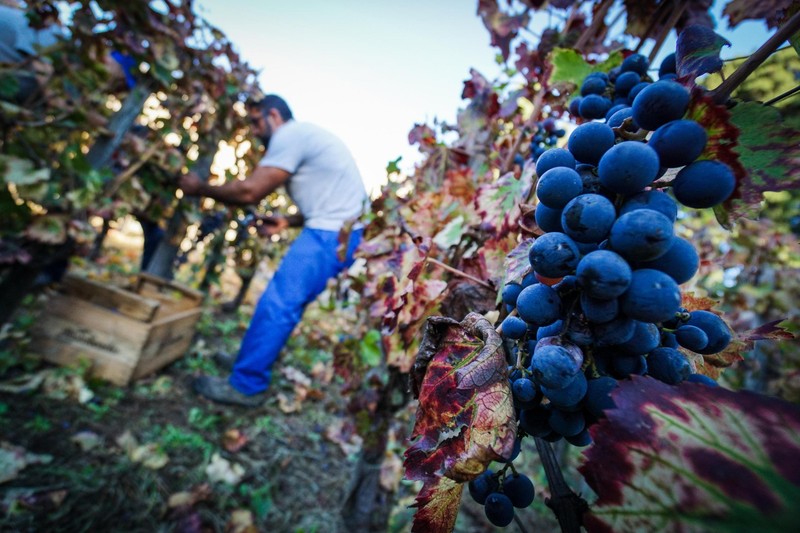
France's Languedoc winegrowers are already adapting to climate change
Over the past 30 years, the harvest of France's Languedoc wines has progressed by three weeks and the alcohol content of the wine has risen by four points. Faced with the already sensitive impact of climate change, the region's winegrowers are adapting their practices and grape varieties. EURACTIV France reports.
-
(0)
-
Bookmark
- Comments (0)
Advertisement