



 John LaRose Jr.
Topics: Education U.S. MidWest, Water, Research, World Population,
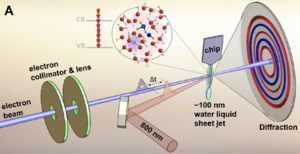
Scientists capture the fleeting transition of water into a highly reactive state
Researchers at the Department of Energy’s SLAC National Accelerator Laboratory have uncovered a key step in the ionization of liquid water using the lab’s high-speed “electron camera,” MeV-UED. This reaction is of fundamental significance to a wide range of fields, including nuclear engineering, space travel, cancer treatment and environmental remediation. Their results were published in Science today.
-
(0)
-
Bookmark
- Comments (0)
John LaRose Jr.
Topics: Dairy, Agriculture Global, Economics, Food/Nutrition, Food Waste, Research, Ag Global Specialty Food,

Science takes guesswork out of cheese production and reduces waste : Research for Agriculture
Making cheese leaves a lot to chance as a batch could be ripened for months or even years before a problem is discovered, which could send a prized batch of cheddar to be sold off cheap as an ingredient for processed cheese. It’s part of why cheese is so complex and expensive to make – […]
-
(0)
-
Bookmark
- Comments (0)
John LaRose Jr.
Topics: Livestock/Meat, Agriculture Global, Beef Cattle, Research, Ag Australia/NZ, Weather,
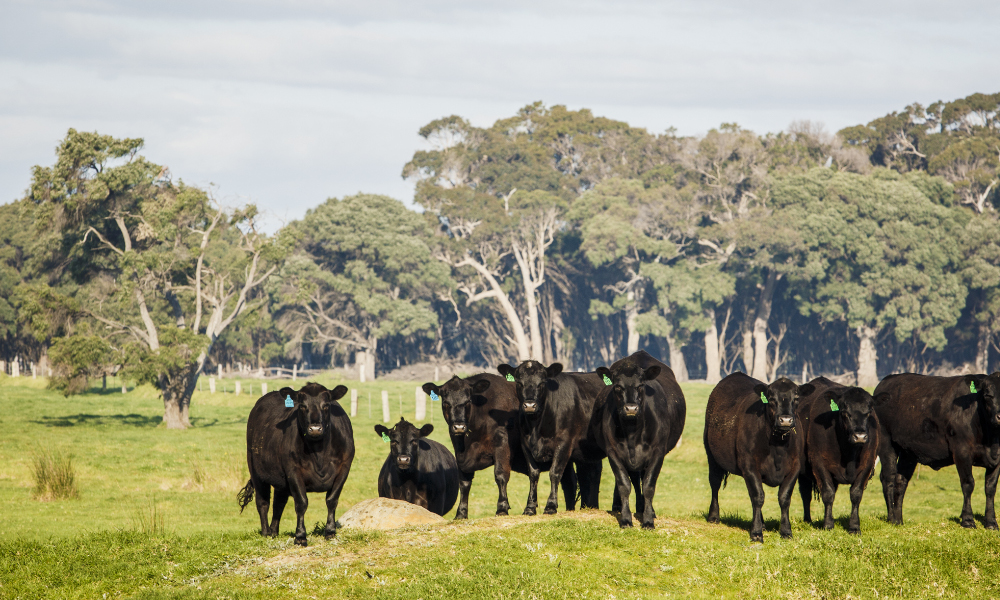
WA beef industry research to map carbon footprint : Research for Agriculture
Results from a ground-breaking research project aimed at significantly improving the carbon footprint of Western Australia’s beef industry will be used to help all producers and stakeholders stay ahead of consumers’ expectations. Now at the halfway mark of its 18-month development, the collaborative research project is being led by Harvest Road Group, Meat and Livestock […]
-
(0)
-
Bookmark
- Comments (0)
John LaRose Jr.
Topics: Soil Health, Agriculture Global, Research,

Microorganism that remediates cadmium-contaminated soil
In recent years, phytoremediation (the utilization of plants, animals and microorganism to take up or immobilize hazardous substances from contaminated soils) has been widely applied to the remediation ...
-
(0)
-
Bookmark
- Comments (0)
John LaRose Jr.
Topics: Precision AG , Agriculture Global, Poultry, Economics, Research, Education,
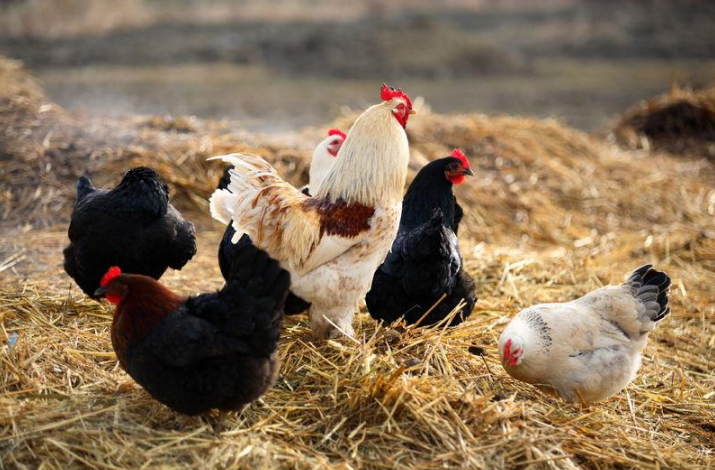
Risk of airborne transmission of avian influenza from wild waterfowl to poultry negligible
Research by Wageningen Bioveterinary Research (WBVR) has shown that the risk of airborne transmission of high pathogenic avian influenza virus from infected wild birds is negligible. The research looked specifically at the airborne movement of particles from wild waterfowl droppings in the vicinity of poultry farms during the risk season for avian influenza (October to March). It also considered transmission via aerosolization, with the exhalations or coughs of wild waterfowl infected with avian influenza virus finding their way into the ventilation systems of poultry farms. As a precaution, it’s important that the carcasses of wild waterfowl or other wild birds that have died of high pathogenic avian influenza are removed from their habitat as soon as possible. If not, scavengers eating the carcasses could cause feathers to become distributed. Feathers of wild birds that died of, and if the wild bird died of high pathogenic avian influenza contain the virus, which can then the virus can survive for a long time in those feathers.
-
(0)
-
Bookmark
- Comments (0)
John LaRose Jr.
Topics: Vegetables, Crop Diseases, Research, Plant Breeding,
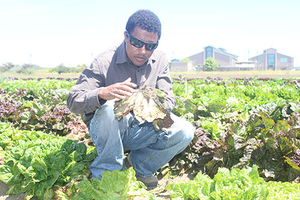
Stronger lettuce stems are a key part of disease resistance
Lettuce drop is a lettuce disease that results in browning or wilting of leaves, plant collapse, and death. The disease has not been well-researched, but a new study shows that a stronger stem increases resistance to lettuce drop.
-
(0)
-
Bookmark
- Comments (0)
John LaRose Jr.
Topics: Soil Health, Vegetables, Crop Consultant, Conservation/Tillage, Sustainability, Crop Diseases, Research, Regenerative Agriculture,

Researchers make chicory plants without bitter compounds
Researchers have used new breeding techniques to develop a chicory variety that no longer contains bitter compounds. Katarina Cankar, plant researcher at Wageningen University & Research: “In the European CHIC project, we are working on improved industrial chicory varieties (related to witloof) that contain dietary fibre and compounds that have potential medicinal properties.” The research consortium published their results in the Plant Biotechnology Journal.
-
(0)
-
Bookmark
- Comments (0)
John LaRose Jr.
Topics: Soil Health, Precision AG , Commodities, Crop Consultant, Agriculture Global, Sustainability, Research, World Hunger,
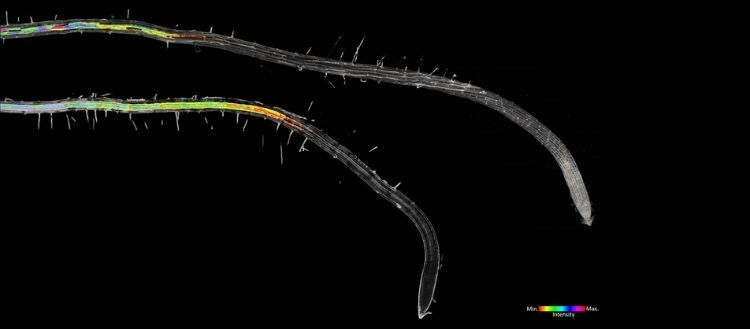
The defensive arsenal of plant roots
24.09.2021 - A team from the University of Geneva has discovered the mechanisms that regulate the formation of the protective layer of plant roots.
-
(0)
-
Bookmark
- Comments (0)
John LaRose Jr.
Topics: Precision AG , Agriculture US, Pesticides, Agriculture Global, Economics, Pest Control, Crop Diseases, Insects, Research,
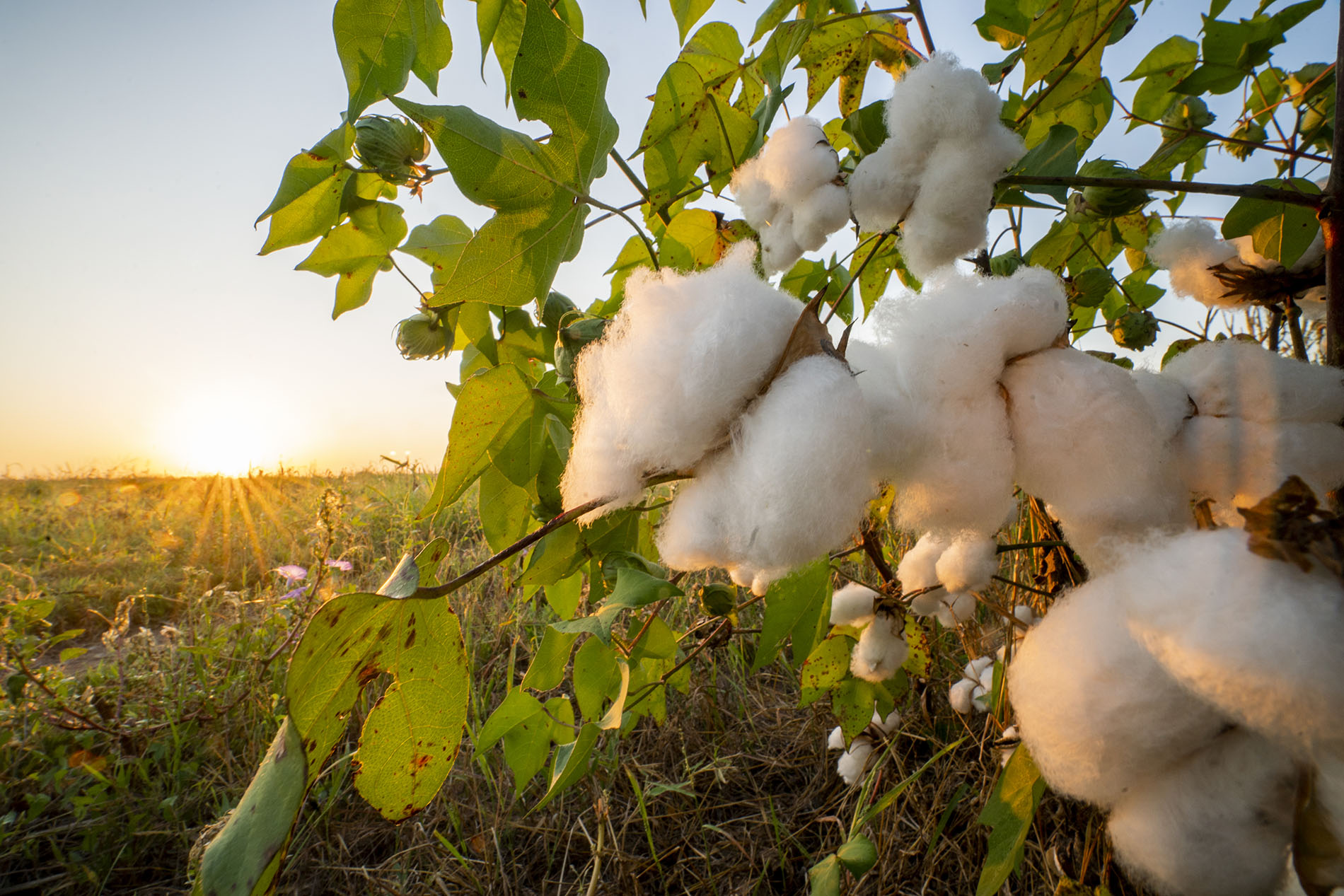
Expanding Texas’ integrated pest management teachings - AgriLife Today
Pest management outreach to both rural and urban audiences in Texas will be expanded and improved thanks to a federal grant.
-
(0)
-
Bookmark
- Comments (0)
John LaRose Jr.
Topics: Livestock/Meat, Agriculture Global, Education U.S. SouthEast, Economics, Research, Ag Innovation,

-
(0)
-
Bookmark
- Comments (0)
Advertisement