



 John LaRose Jr.
Topics: Agriculture Global, Sustainability, GMO's, Research, CRISPR/Gene Editing, Genes /Genetics, World Hunger, World Population, Education,
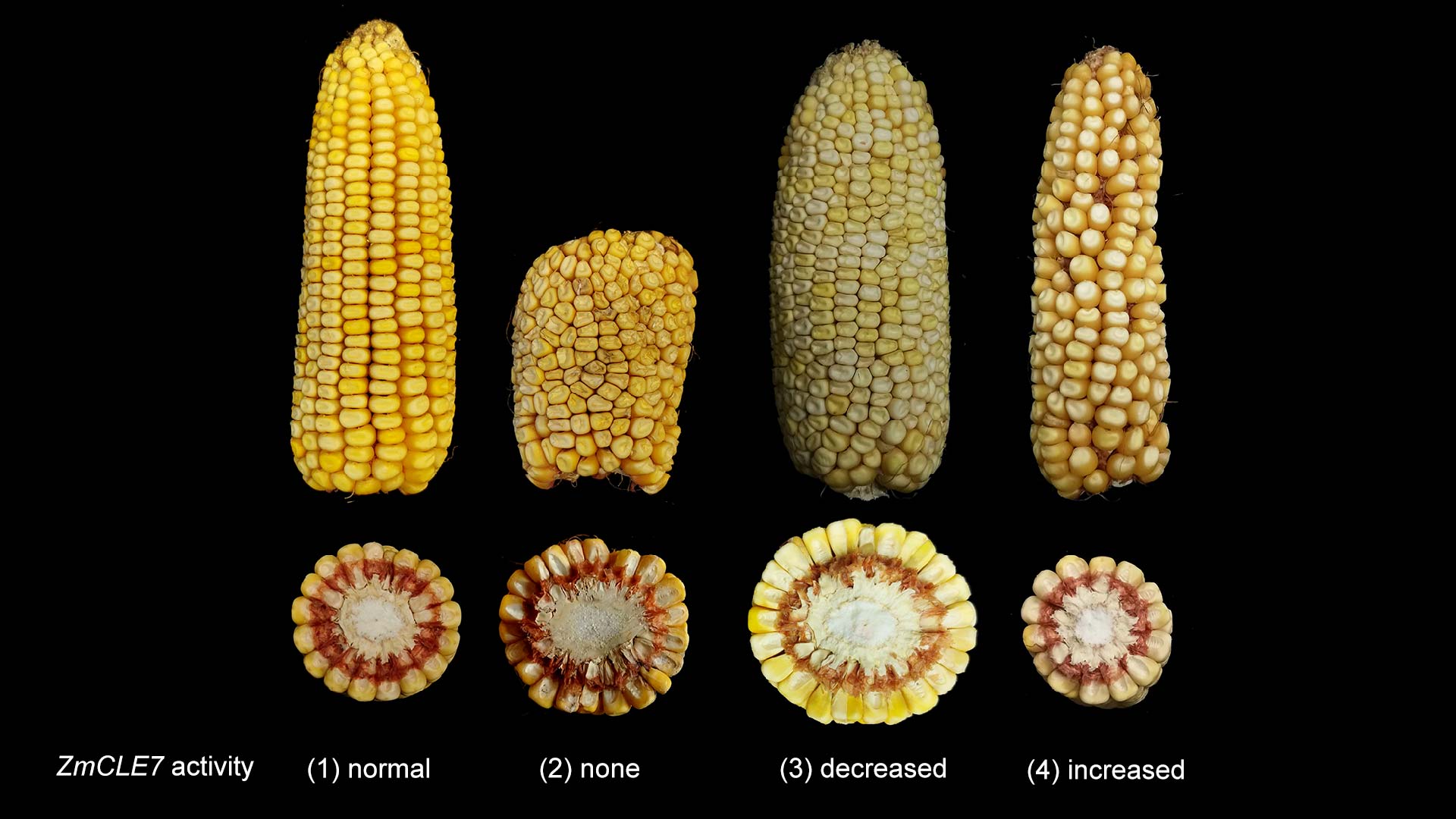
Tweaking corn kernels with CRISPR - Cold Spring Harbor Laboratory
Corn—or maize—has changed over thousands of years from weedy plants that make ears with less than a dozen kernels to the cobs packed with hundreds of juicy kernels that we see on farms today. Powerful DNA-editing techniques such as CRISPR can speed up that process. Cold Spring Harbor Laboratory (CSHL) Professor David Jackson and his...
-
(1)
-
Bookmark
- Comments (0)
John LaRose Jr.
Topics: Young Farmers, Economics, World Hunger, Ag Africa, Coronavirus/COVID,

Young agripreneurs bet on networking to beat Covid shocks - FarmKenya Initiative
he impacts of the pandemic seemed to hit female entrepreneurs particularly hard
-
(0)
-
Bookmark
- Comments (0)
John LaRose Jr.
Topics: Organic, Water, Hydroponics , Vertical Farming, World Hunger, World Population,
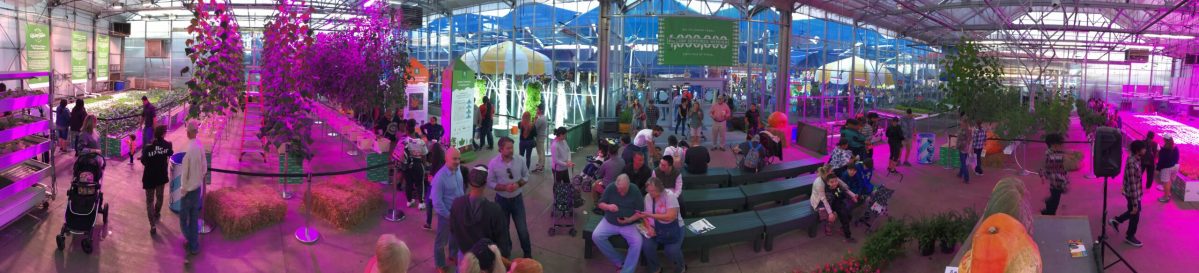
Which type of hydroponic system is better?
Hint: They are all just irrigation systems. One of the questions that I get most frequently is, “Which hydroponic system is the best?” I am fairly sure that my standard answer of, “it a…
-
(1)
-
Bookmark
- Comments (0)
John LaRose Jr.
Topics: Agriculture US, Agriculture Global, Sustainability, World Hunger, World Population,
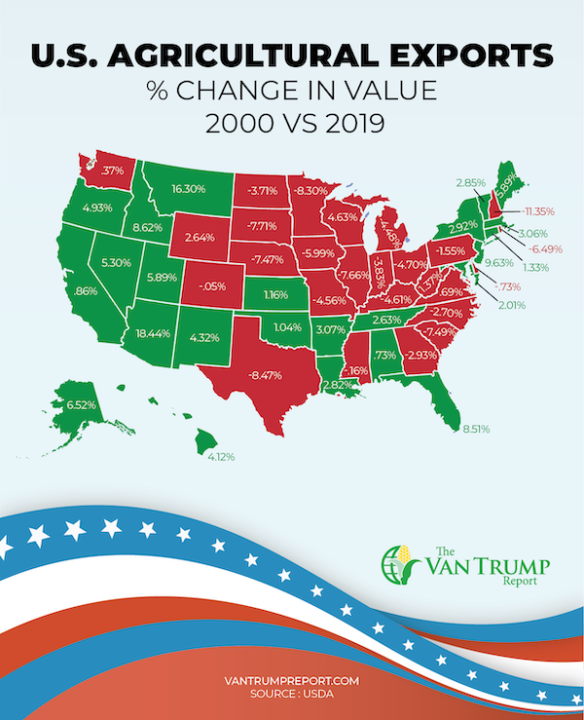
The United States of Agriculture
There are more than 2 million farms in the United States, about 98% of which are operated by families, individuals, family partnerships, or family corporations, according to the American Farm Bureau Federation. About 87% of all agricultural products in America are produced on family ranches or farms
-
(0)
-
Bookmark
- Comments (0)
John LaRose Jr.
Topics: Economics, Ag India, World Hunger, Government / Policies, World Population, Coronavirus/COVID,

India's recovery gathers pace on good agri show, falling Covid cases: S&P
India faces a permanent loss of output versus its pre-pandemic path, suggesting a long-term production deficit equivalent to about 10 per cent of GDP
-
(0)
-
Bookmark
- Comments (0)
John LaRose Jr.
Topics: Soybeans, Agriculture US, Agriculture Global, Education U.S. MidWest, Economics, Sustainability, Research, World Hunger, Ag Africa,
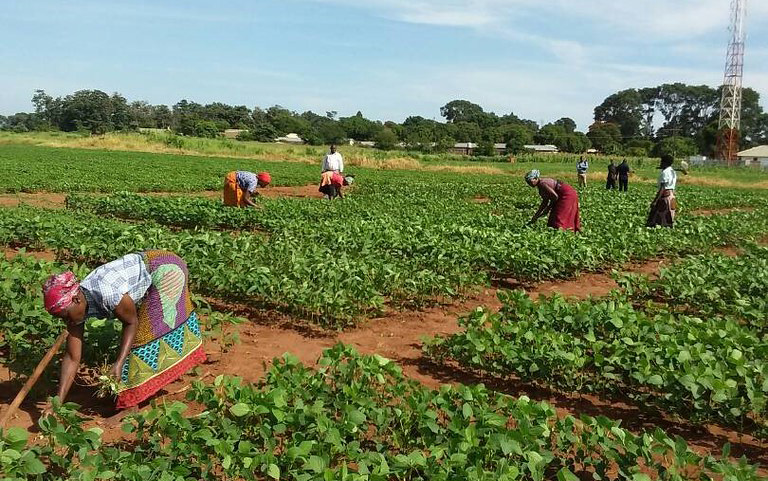
Soybean Innovation Lab provides knowledge that assists soybean production in Africa
URBANA, Ill. – Soybean production in Africa and other developing regions has the potential to alleviate hunger and boost local economies. But the transition from traditional crops such as cowpea or cassava to a major commercial crop such as soybean is fraught with challenges.
-
(0)
-
Bookmark
- Comments (0)
 Isaac L
Topics: Agriculture Global, Food/Nutrition, World Hunger, World Population,
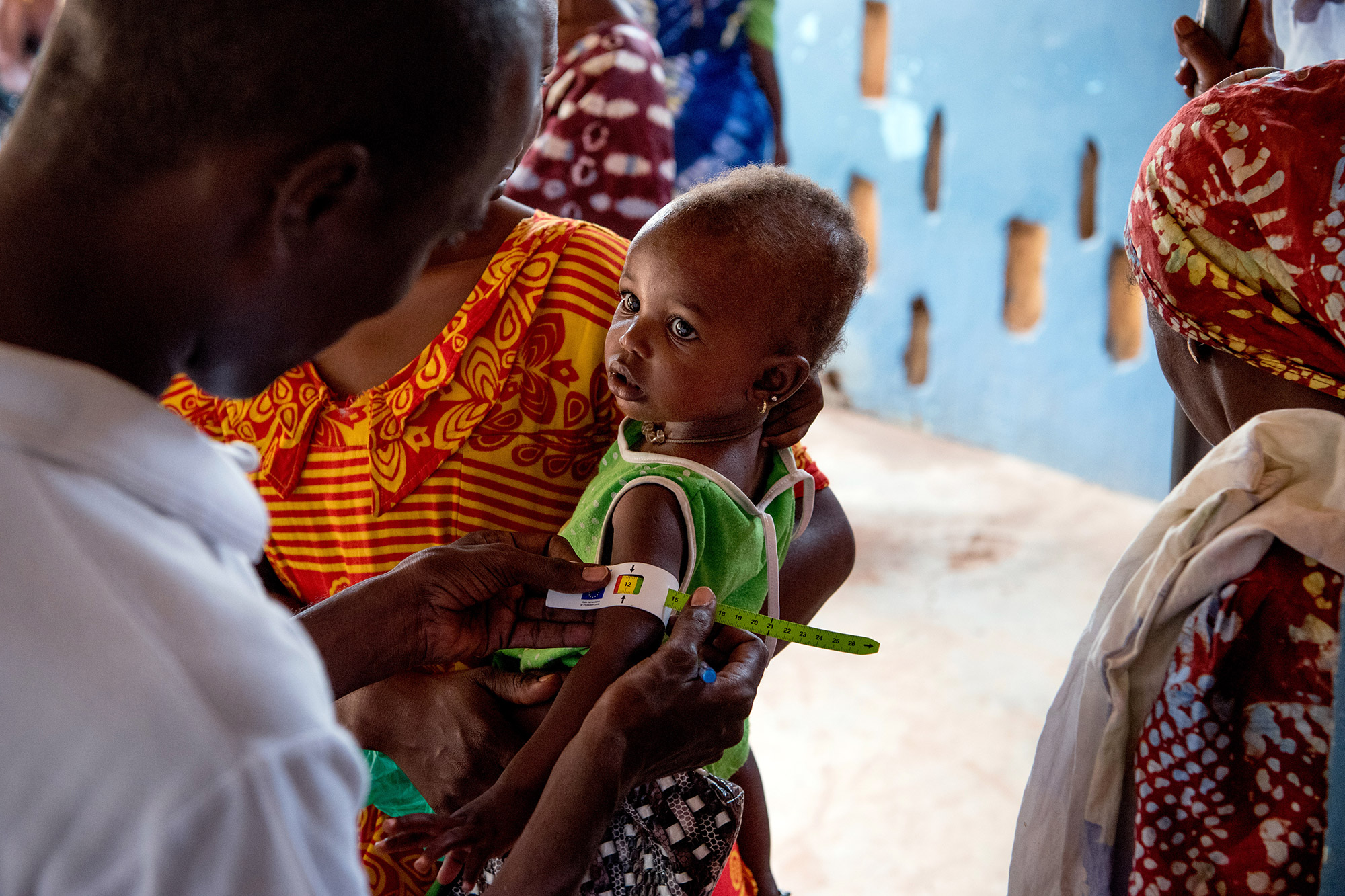
World Hunger: Key Facts and Statistics 2021
Learn the definition of hunger, key facts and statistics, what causes hunger, and which countries face the biggest hunger crises.
-
(2)
-
Bookmark
- Comments (1)
John LaRose Jr.
Topics: Jobs, Economics, Ag India, Ag Innovation, World Hunger, Government / Policies,

In the backdrop of the challenges of fourth industrial revolution, agriculture needs disruptive digital thinking
There is a need to take a comprehensive view for a new economic model in the backdrop of the highly distorted economic inequality, impending large-scale job losses sealing opportunity for shifting people from agriculture to other sectors.
-
(1)
-
Bookmark
- Comments (0)
John LaRose Jr.
Topics: Agriculture Global, Economics, Food/Nutrition, Food Waste, World Hunger, Government / Policies, World Population, Food Security/Shortage,
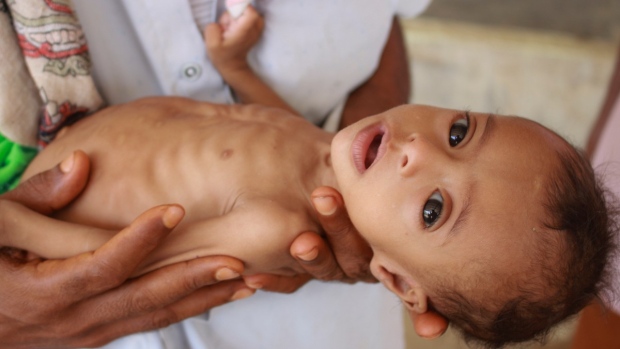
UN: More than 2 million Yemeni children may starve in 2021
More than 2 million Yemeni children under the age of 5 are expected to endure acute malnutrition in 2021, four United Nations agencies said Friday, urging stakeholders to end the yearslong conflict that has brought the Arab world's poorest country to the brink of famine.
-
(0)
-
Bookmark
- Comments (0)
John LaRose Jr.
Topics: Water, Food/Nutrition, Food Waste, Sustainability, World Hunger, Ag Africa, World Population,
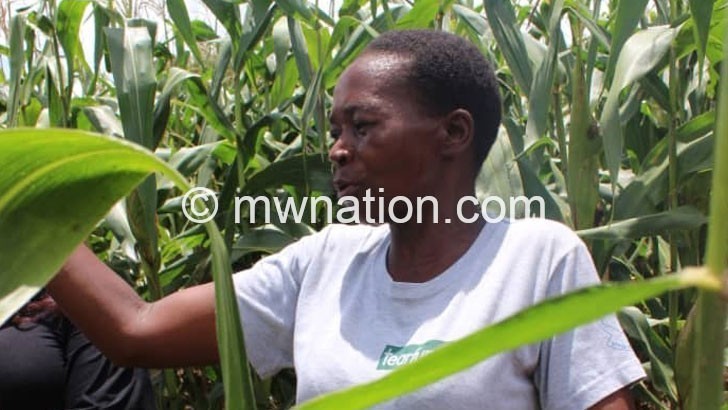
For Women Who Feed Africa | The Nation Online | Malawi Daily Newspaper
Women form the backbone of rural economies, growing over two-thirds of food for Africa’s 1.2 billion people.
-
(0)
-
Bookmark
- Comments (0)
Advertisement