



10/24/2020 SOURCE: phys.org
ASPB is pleased to announce the publication of noteworthy research investigating water-saving alternatives for photosynthesis in temperate environments, which are likely to become hotter and drier in ...
Engineering drought-resistant crops with Crassulacean acid metabolism (CAM) photosynthesis
-
(0)
-
Bookmark
- Comments. (0)
10/24/2020 SOURCE: sciencebusiness.net
The phase III trial of AZD1222, the COVID-19 vaccine being developed by AstraZeneca and Oxford University will continue in Brazil, following a review into the death of a volunteer. The Brazilian health authority disclosed the death on Wednesday, without saying if the volunteer had received the vaccine or the placebo, citing confidentiality protocols. Oxford University said a "careful assessment" had revealed no safety concerns in the phase III COVID-19 trial, which started in June and aims to enrol 5,000 volunteers across the country. AstraZeneca said it could not comment on individual cases but "can confirm that all required review processes have been followed". "All significant medical events are carefully assessed by trial investigators, an independent safety monitoring committee and the regulatory authorities," the company said. "These assessments have not led to any concerns about continuation of the ongoing study." The test vaccine, developed at the Jenner Institute at Oxford University, is also in phase III trials in the UK, South Africa and the US. AZD1222 is one of the leading candidates of more than 240 similar efforts around the world. In a bid to further speed up development of a vaccine, it was announced earlier this week that healthy people will be deliberately infected with COVID-19 in the first “human challenge” trial for the virus, set to begin at a London hospital in January. The London study will recruit up to 90 healthy volunteers between the ages of 18 and 30. The UK government has pledged to invest £33.6 million in the trial, which will be carried out by HVivo, the UK subsidiary of Open Orphan plc of Dublin. HVivo has long experience of conducting these trials, having deliberately infected around 3,000 volunteers with different viruses in previous human challenge studies. “Deliberately infecting volunteers with a known human pathogen is never undertaken lightly,” said Peter Openshaw, co-investigator on the study at Imperial College London. “However, such studies ar...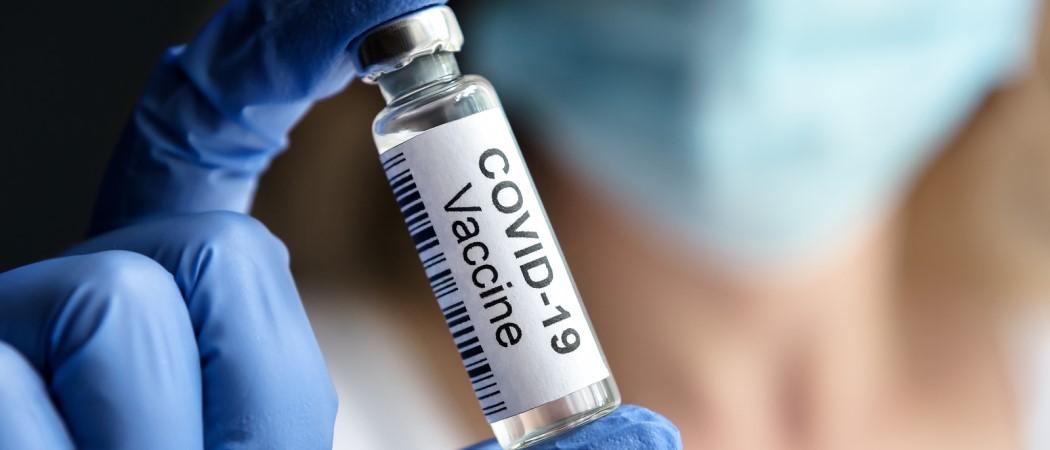
COVID-19 vaccine trial will continue after volunteer death
-
(0)
-
Bookmark
- Comments. (0)
10/24/2020 SOURCE: sciencebusiness.net
The EU should make use of innovative breeding technologies to boost sustainability of food production, agriculture ministers agreed on Monday, as they gave their stamp of approval to the European Commission’s ‘Farm to Fork’ plan to reduce the use of fertilisers by 30 per cent and turn 25 per cent of agricultural land over to organic farming. The ministers called for the use of “new innovative ingredients and techniques” to boost sustainable food production, as long as they are shown to be safe for humans, animals and the environment. This was with reference to precision breeding using gene editing, which enables genetically modified organisms to be generated without introducing genes from other species. As things stand, the technology cannot be used in the EU, following a 2018 ruling by the European Court of Justice, which founds genome editing is subject to the 2001 EU directive banning genetically modified organisms. Researchers in 120 institutes across Europe have asked the commission to reverse the court ruling, arguing precision breeding and genome editing are a speeded-up equivalent of traditional breeding techniques and could increase the genetic diversity of crop plants, reduce use of pesticides, and further the development of healthy food. Agriculture ministers want the commission to complete its study of the status of novel genomic techniques under EU legislation by April 2021. The commission’s view is that precision farming technologies should underpin the transition to eco-friendly food production. Frans Timmermans, the commission’s executive vice-president for the European Green Deal said the EU aims to give farmers the tools to adopt precision agriculture and to leverage scientific discoveries to optimise seeds. “That's how we limit our dependency on pesticides,” Timmermans told delegates at the EU Green Week conference last week. “Going to ecological farming doesn't mean we all have to munch on grass and live in caves, we need to use the latest technology to get us ther...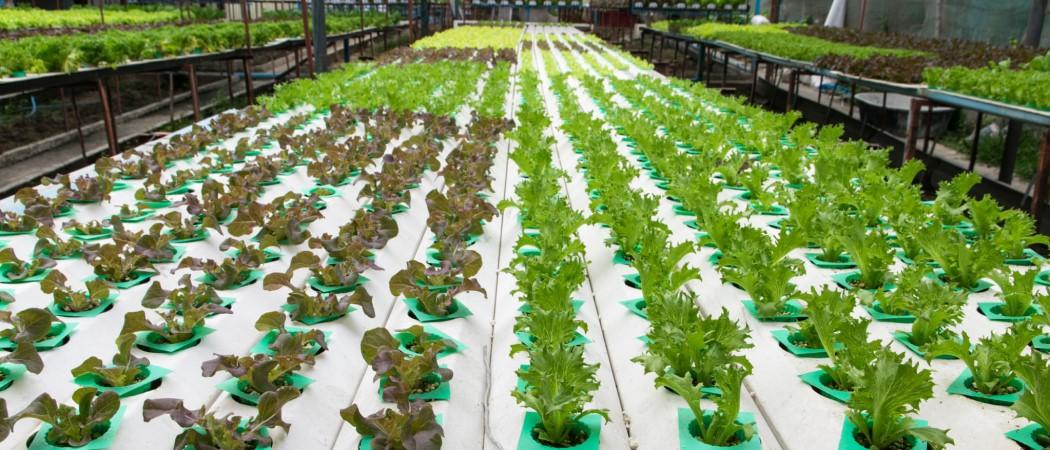
Member states want commission to decide on the use of gene editing in animal and plant breeding
-
(0)
-
Bookmark
- Comments. (0)
 John LaRose Jr.
Topics: Wheat, Research, World Hunger, World Population, Education,
-
(0)
-
Bookmark
- Comments (0)
John LaRose Jr.
Topics: Economics, Ag Innovation, World Population, Renewable Energy (Solar/Wind),

Turning streetwear into solar power plants
Dubendorf, Switzerland (SPX) Oct 23, 2020 - Our hunger for energy is insatiable, it even continues to rise with the increasing supply of new electronic gadgets. What's more, we are almost always on the move and thus permanently dependent on a
-
(0)
-
Bookmark
- Comments (0)
John LaRose Jr.
Topics: Agriculture US, Agriculture Global, Economics, Sustainability, World Hunger, World Population, Coronavirus/COVID,

-
(0)
-
Bookmark
- Comments (0)
John LaRose Jr.
Topics: Precision AG , Agriculture US, Crop Consultant, Agriculture Global, Poultry, Sustainability, Ag Global Specialty Food, Ag Innovation, World Hunger, World Population, Coronavirus/COVID,

5 poultry innovations ready to change the industry in 2021
COVID-19 posed numerous challenges for the poultry industry, from worker shortages to interruptions throughout the supply chain. New technologies can help the industry solve these issues and look forward to future opportunities to thrive and succeed.
-
(0)
-
Bookmark
- Comments (0)
John LaRose Jr.
Topics: Agriculture Global, Food/Nutrition, Food Waste, Sustainability, World Hunger, World Population, Ag South America,

Latin America poised to lead the next 50 years in food systems and agrobiodiversity research
CGIAR centers make strong case for Latin America as the best place for investing in solutions to overcome challenges to global agriculture from climate change, pandemics and more.
-
(0)
-
Bookmark
- Comments (0)
John LaRose Jr.
Topics: Soil Health, Sustainability, World Hunger, World Population, Regenerative Agriculture, Ag Middle East,
The Story of Al Baydha: A Regenerative Agriculture in the Saudi Desert. قصة مشروع البيضاء
The final update from Al Baydha Project Co-founder Neal Spackman, 9 years in. How desertification resulted from the loss of an indigenous land management sys...
-
(0)
-
Bookmark
- Comments (0)
John LaRose Jr.
Topics: Markets/Pricing, Sustainability, World Hunger, Government / Policies, World Population,

Report: 60% of global population worries about food safety - Agriland.co.uk
An international study on the global food safety has revealed more than half the world’s population (60%) worry about the food they eat and 51% concerned about the safety of the water they drink. The Lloyd’s Register Foundation World Risk Poll, which is the first of its kind, showed 17% of respondents – equivalent to one […]
-
(0)
-
Bookmark
- Comments (0)
Advertisement