



 John LaRose Jr.
Topics: Precision AG , Agriculture US, Crop Consultant, Agriculture Global, Economics, Sustainability, GMO's, Research, Genes /Genetics,

Discovery of mobile disease detectors in plants could boost crop resilience - My Droll
Credit: CC0 Public Domain A study of how plants identify and react to invading pathogens using mobile disease detectors could help researchers breed disease-resistant crops. Many important crop plants can be devastated by pathogens including bacteria, fungi and viruses. Knowing exactly how some plants respond could give researchers the information to breed crops with the […]
-
(0)
-
Bookmark
- Comments (0)
John LaRose Jr.
Topics: Agriculture US, Crop Consultant, Agriculture Global, Beekeeping, Sustainability, Research, Pollinators,
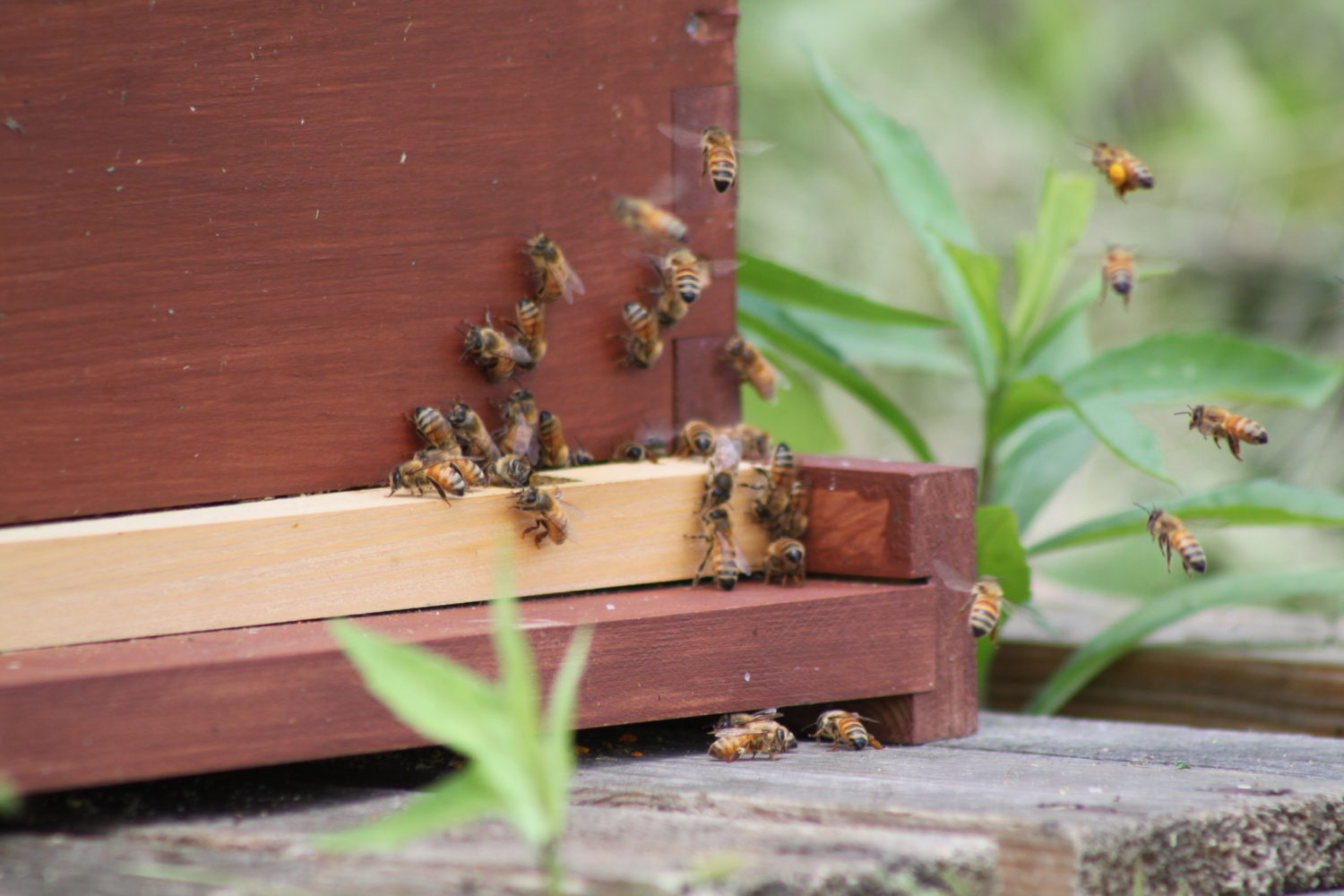
Taking Care Of Our Honeybees In The Winter
Our honeybees and hive had a good first year at the farm – and now that the cold of winter has arrived – they have begun their own version of …
-
(0)
-
Bookmark
- Comments (0)
John LaRose Jr.
Topics: Crop Consultant, Agriculture Global, Beekeeping, Sustainability, Research, Pollinators,
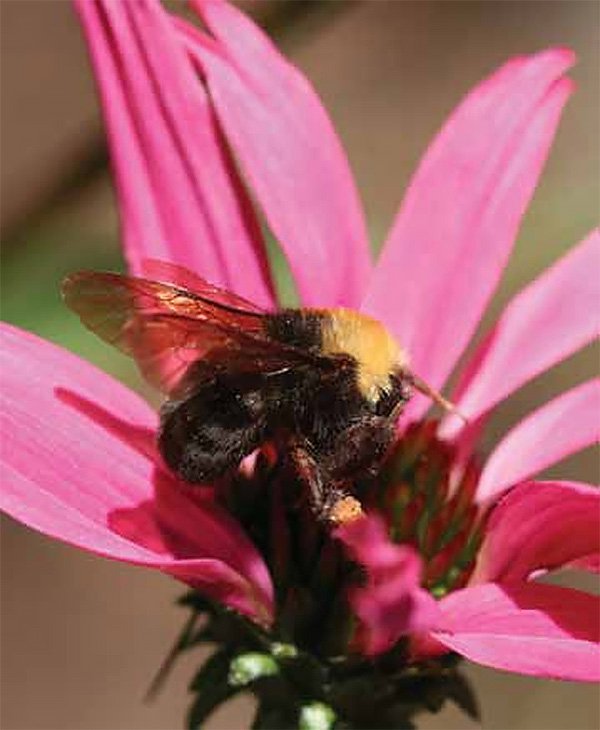
Elusive Pacific Northwest Bumblebee Listed as Endangered
Center for Biological Diversity: Among World’s Rarest, Franklin’s Bumblebee Last Spotted in 2006
-
(0)
-
Bookmark
- Comments (0)
John LaRose Jr.
Topics: Crop Consultant, Economics, Sustainability, Ag India, World Hunger, World Population,

Making Small Farms More Sustainable — and Profitable
A case study of Better Life Farming, an innovative public-private partnership in India, Indonesia, and Bangladesh.
-
(0)
-
Bookmark
- Comments (0)
John LaRose Jr.
Topics: Herbicides, Weeds, Crop Consultant, Education U.S. NorthEast, Sustainability, Regenerative Agriculture,

No-till production farmers can cut herbicide use, control weeds, protect profits | Penn State University
Farmers using no-till production — in which soil never or rarely is plowed or disturbed — can reduce herbicide use and still maintain crop yields by implementing integrated weed-management methods, according to a new study conducted by Penn State researchers.
-
(0)
-
Bookmark
- Comments (0)
 Nancy Kavazanjian
Topics: Food/Nutrition, Food Waste, Sustainability, Climate Change,

Supply Chains Are the Achilles’ Heel of Food Company Climate Action
Companies cannot credibly address climate risk without disclosing and reducing their supply chain emissions. Through Food Emissions 50, investors are issuing an urgent call to action for companies to raise their ambition to disclose emissions, set targets and implement climate-transition action plans.
-
(0)
-
Bookmark
- Comments (0)
John LaRose Jr.
Topics: Livestock/Meat, Economics, Sustainability, Goats, Research,

-
(0)
-
Bookmark
- Comments (0)
John LaRose Jr.
Topics: Soil Health, Agriculture Global, Sustainability, Ag Asia / Pacific, Regenerative Agriculture, Weather,

How microbial communities adapt to soil acidification
Temperate grasslands in northern China have experienced soil acidification in the last 30 years due to increasing acid deposition and unsustainable management. Long-term soil acidification may lead to ...
-
(1)
-
Bookmark
- Comments (0)
John LaRose Jr.
Topics: Agriculture US, Crop Consultant, Agriculture Global, Economics, Sustainability, Research, Weather,

Study proposes new ways to estimate climate change impacts on agriculture
Most scientists agree climate change has a profound impact on U.S. agricultural production. But estimates vary widely, making it hard to develop mitigation strategies. Two agricultural economists at the ...
-
(0)
-
Bookmark
- Comments (0)
John LaRose Jr.
Topics: Water, Fruit, Sustainability, Ag Global Specialty Food, Ag Africa,
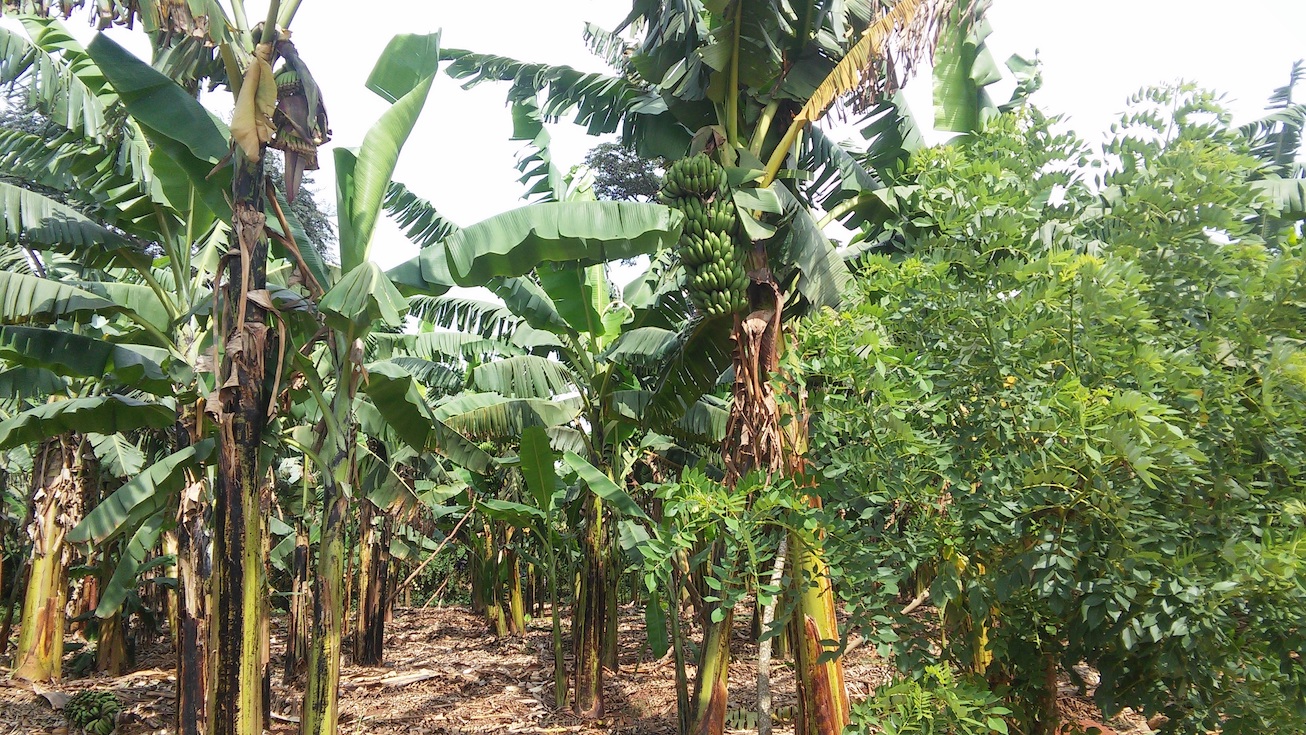
East Africa's banana farmers welcome new varieties that resist disease and drought - Alliance for Science
Plant breeders in Uganda and Tanzania have developed drought-tolerant and disease-resistant banana hybrids that are intended to support the commercialization of East Africa’s banana sector. The response to the new hybrids has been positive from more than 1,350 Ugandan and Tanzania smallholder banana farmers who have struggled to sustain their plantations beyond four or five […]
-
(0)
-
Bookmark
- Comments (0)
Advertisement