



 John LaRose Jr.
Topics: Agriculture Global, Economics, Sustainability, World Hunger, Urban Farming, World Population,
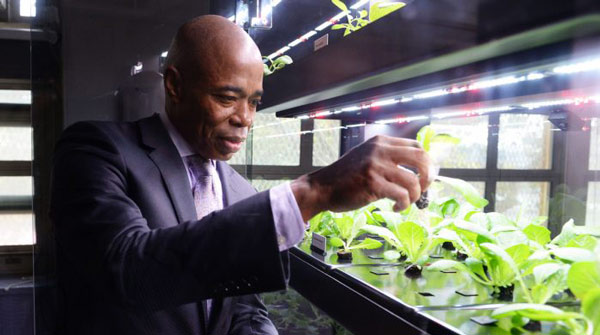
The Future of Urban Agriculture …
foresight.arup.com/perspectives: “It is predicted that food production across the world will need to increase by around 25% by 2050. Coupled with growing urbanisation, restrictions in available agricultural land and climate change impacts, this leaves a large challenge to address.“It is estimated that 80% of all food will be consumed in cities by 2050, so future […]
-
(0)
-
Bookmark
- Comments (0)
John LaRose Jr.
Topics: Agriculture Global, Economics, Research, Government / Policies, World Population, Coronavirus/COVID,
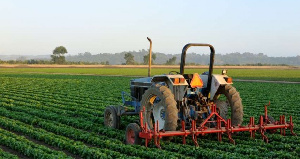
Survey to track impacts of coronavirus on Agribusinesses in Ghana begins - Ghanamma.com
Business News of Friday, 26 March 2021 Source: business24.com.gh 2021-03-26 The survey will also assess measures put in place by agribusinesses to mitigate the impacts of COVID The Ghana Statistical Service (GSS), in collaboration with the United Nations Development Programme (UNDP) and the German Agency for International Cooperation (GIZ), is conducting an Agribusiness Tracker Survey […]
-
(0)
-
Bookmark
- Comments (0)
John LaRose Jr.
Topics: Livestock/Meat, Education U.S. NorthEast, Agriculture Global, Economics, Sustainability, Research, Cellular Meat,

Could coloring our steaks blue help reduce the world’s insatiable demand for meat?
By Prof Charles Spence, University of Oxford Image: SciePro/Shutterstock Blue has become an increasingly popular color in drinks and confectionary. Now, Prof Charles Spence of the University of Oxf…
-
(0)
-
Bookmark
- Comments (0)
John LaRose Jr.
Topics: Commodities, Agriculture Global, Economics, Fertilizer, Transportation, Trade (Commodities), Ag Africa, World Population, Commodity/Trade Groups,

Fertilizer Logistics in West Africa - IFDC
Written by Oumou M. Camara, Ph. D, Regional Director and Stella Obanyi-Brobbey, Soil Fertility Expert, IFDC North and West Africa, Ghana / Posted Courtesy of Fertilizer Focus / Download as PDF West Africa’s ability to reach sustained economic transformation, poverty reduction and secure the future of food and nutrition hinges on transforming its agriculture sector. The sector currently contributes […]
-
(0)
-
Bookmark
- Comments (0)
John LaRose Jr.
Topics: Vegetables, Agriculture Global, Fruit, Economics, World Population, Ag Australia/NZ,
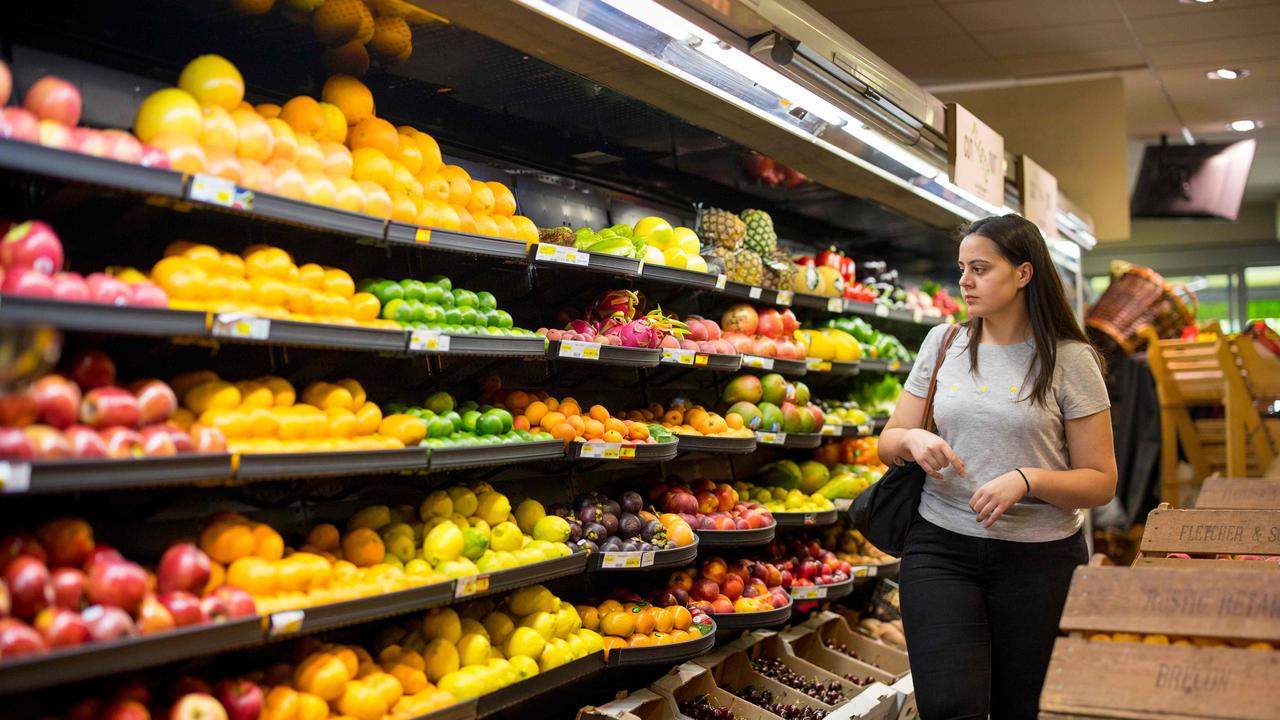
Aussie shoppers to pay more for fruit and veg amid worker shortage
Australians could soon be paying 30 per cent more for their fruit and vegetables, as severe farm labour shortages drive a massive fall in horticultural production.
-
(0)
-
Bookmark
- Comments (0)
John LaRose Jr.
Topics: Commodities, Markets/Pricing, Agriculture Global, Economics, Trade (Commodities), Ag Australia/NZ, Coronavirus/COVID,
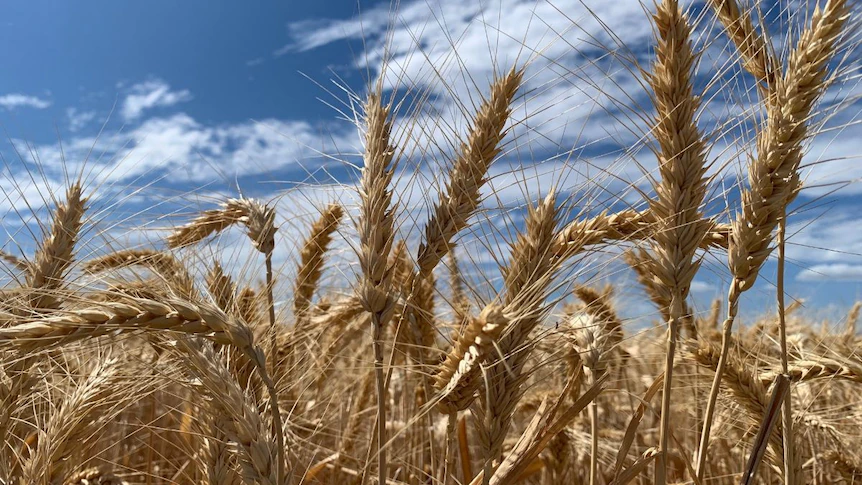
It's official. Farmers are having their best year yet
Australia's agriculture sector is booming, with farmers expected to reap a record $66 billion for their produce this year despite trade tensions with China and the global pandemic.
-
(0)
-
Bookmark
- Comments (0)
John LaRose Jr.
Topics: Agriculture US, Agriculture Global, Water, Economics, Vertical Farming, Ag Innovation, Regenerative Agriculture,
How one indoor farm is changing how food is grown — and building a new future for Appalachia
AppHarvest says farming this way uses 90% less water, no soil and results in 30 times more yield per acre than a regular outdoor farm.
-
(0)
-
Bookmark
- Comments (0)
John LaRose Jr.
Topics: Precision AG , Agriculture Global, Economics, Food/Nutrition, Research, Ag Innovation, World Population, Renewable Energy (Solar/Wind),

Agrivoltaics scores impressive triple win, but some food safety concerns remain
A win-win is always welcome. But what about a win-win-win? Researchers say that’s what’s possible with agrivoltaics, a groundbreaking system that combines
-
(0)
-
Bookmark
- Comments (0)
John LaRose Jr.
Topics: Cocoa, Economics, Sugar,
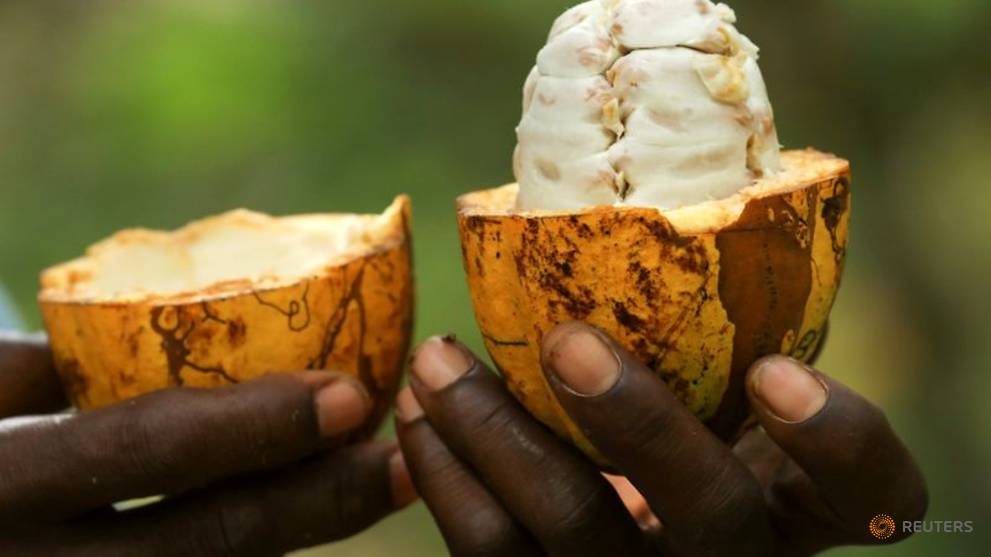
More than beans: Nestle recycles cocoa fruit waste to replace sugar in chocolate
As confectionery groups scramble to reduce added sugar, chocolate sweetened with cocoa fruit pulp is about to hit supermarket shelves with food ...
-
(0)
-
Bookmark
- Comments (0)
John LaRose Jr.
Topics: Agriculture Global, Economics, World Population, Renewable Energy (Solar/Wind), Weather,

OF. STUDIO proposes a moving, cloud-like object to generate solar energy in remote locations
the concept by OF. STUDIO uses recycled materials and a system of photovoltaic cells to turns the sun's rays into energy.
-
(0)
-
Bookmark
- Comments (0)
Advertisement