



 Randy Krotz

-
(0)
-
Bookmark
- Comments (0)
 Nancy Kavazanjian
-
(0)
-
Bookmark
- Comments (0)
 John LaRose Jr.
Topics: Pesticides, Food/Nutrition, Pest Control, Insects, Education,
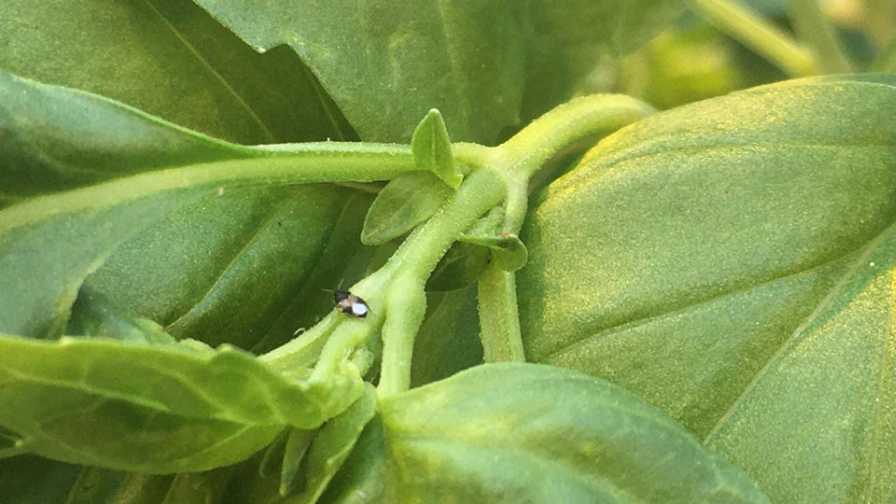
Find Success With Biologicals in Leafy Greens
Using pest management and plant nutrition materials based on biological products can help you produce a healthier crop.
-
(0)
-
Bookmark
- Comments (0)
John LaRose Jr.
Topics: Livestock/Meat, Poultry, Genes /Genetics, Ag Innovation, Cellular Meat, Vegan, Plant-Based/Animal Free, Regenerative Agriculture, Coronavirus/COVID,
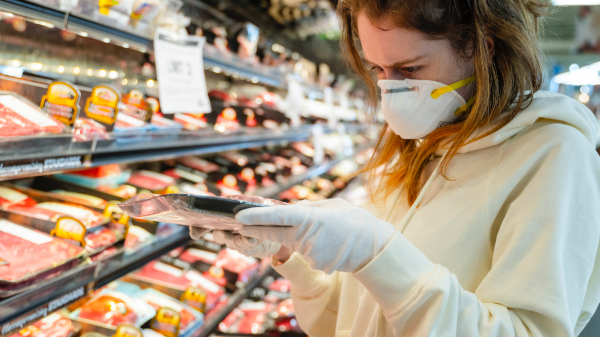
Despite all the fake meat, Americans are still gobbling up the real stuff
Beef and chicken consumption got a boost during the pandemic.
-
(0)
-
Bookmark
- Comments (0)
04/05/2021 SOURCE: hoosieragtoday.com
The United States Department of Agriculture (USDA) has declared April 2021 as Invasive Plant Pest and Disease Awareness Month (IPPDAM). The national outreach in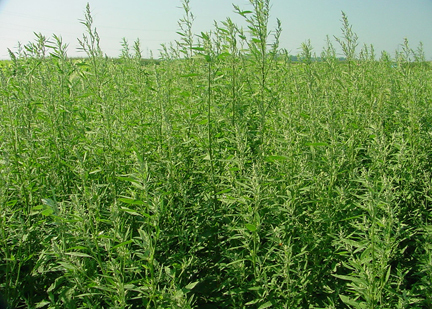
USDA Marks April as Invasive Plant Pest, Disease Awareness Month; Partnering With Niagara Falls
-
(0)
-
Bookmark
- Comments. (0)
John LaRose Jr.
Topics: Markets/Pricing, Crop Consultant, Agriculture Global, Economics, Sustainability, World Hunger, Government / Policies, Climate Change,
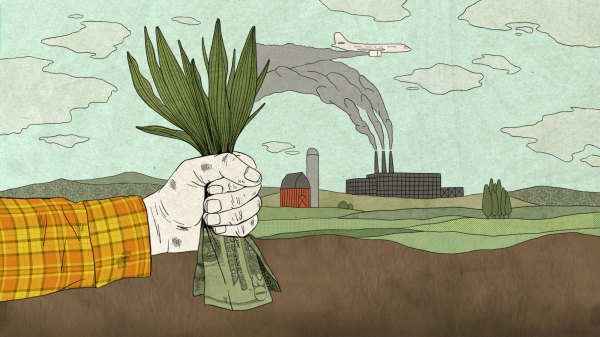
Could paying farmers to store carbon help the climate and save farms?
The tech world is salivating over the idea. But some experts warn it's a field of dreams.
-
(0)
-
Bookmark
- Comments (0)
 Team AgWiki

Wild pigs a looming threat
Wild pigs have yet to invade Chatham-Kent, says a top Ontario wildlife biologist, but the threat is real. According to Dr. Keith Munro wild pigs are on the Ministry of Environment and Forestry’s radar as the government hopes to stop a wild porcine population from taking hold in Southwestern Ontario. Munro, who works for the Ontario Federation of Anglers and Hunters, says 81 reported sightings of 'wild' pigs to a hotline dedicated to the issue over the past year. Wild pigs are a serious problem on the Canadian prairies and the southern United States, says Munro, with large numbers of the animals destroying crops, wreaking havoc on the land. “You can see how it could easily get out of control,” Munro explains. The pigs, known to be clever, are adept at avoiding detection and capture. Hunting the pigs, while a challenging past time for hunting enthusiasts, isn’t a good solution to get rid of them. Munro says the animals become stressed and will alter their behaviour, become more evasive when having litters. “When you hunt them, you educate them,” Munro explains. The only true solution is to trap them, he says. That is a painstaking process. Traps have to be baited and remain open to allow the pigs to get used to them. Officials have to plan to catch them all at once. Munro says MOEF has brought in experts from New York State, which has been successful in getting rid of their invasive pig population using the trapping method. Only 25 locations are involved in the 81 sightings in the region. Munro says many of the reports are multiple sightings of the same pig and so far, most of these involved domestic swine that has got loose. Pigs can be tough and aggressive, Munro notes. “It’s not a good idea to have any kind of pig wandering across the landscape,” he adds. “All pigs have the potential to go feral,” he says, and “this needs to be reported.” Senior MOEF spokeswoman Jolanta Kowalski says the number of wild pigs in the region is very small, but there was one reported sighting in Chatham-Kent...
-
(0)
-
Bookmark
- Comments (0)
Team AgWiki
Topics: Ag Africa,
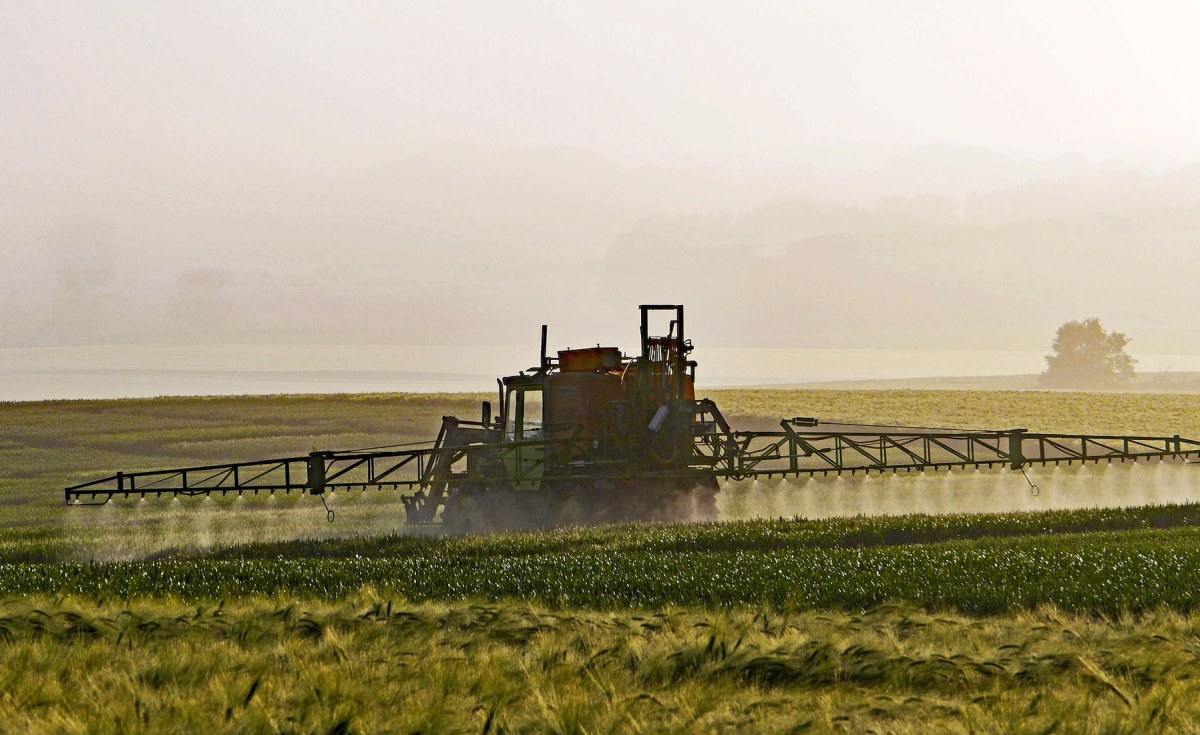
Rwanda: Why Agriculture Lags Behind in Strategic Plan Targets
Although agriculture sector improved much in different areas such as erosion control measures and availability inputs, it is still lagging behind in Fourth Strategic Plan for the Transformation of Agriculture (PSTA4) targets.
-
(0)
-
Bookmark
- Comments (0)
John LaRose Jr.
Topics: Jobs, Economics, Sustainability, World Hunger, Government / Policies, Ag Africa, World Population,
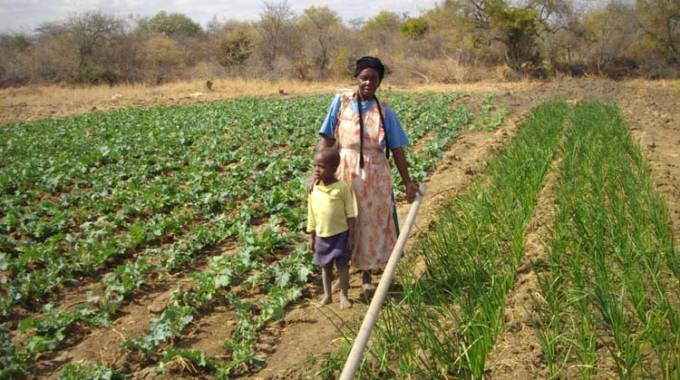
Interest in agriculture underlines gains of Independence - Zimbabwe Situation
CHIMURENGA, in all its installations was a war for land. The history behind the liberation war and the fight for independence was rooted in the deprivation of a resource
-
(0)
-
Bookmark
- Comments (0)
Team AgWiki
South Africa
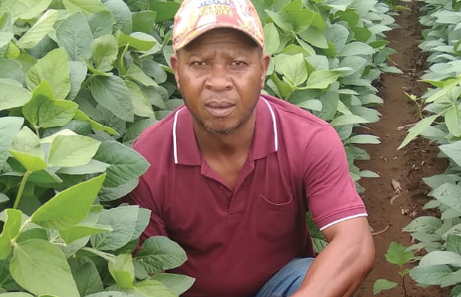
Emerging crop & livestock farmer gets a helping hand
Paulus Mashiloane (53) left his engineering job five years ago to follow his dream of becoming a farmer.
-
(0)
-
Bookmark
- Comments (0)
Advertisement