
John LaRose Jr.
Topics: Agriculture Global, Ag Global Specialty Food, World Hunger, Food Security/Shortage, seafood,
Seaweed farming may help solve global hunger and malnutrition
To help solve hunger and malnutrition while also slowing climate change, some farmers could shift from land to sea, suggests a recent study from the Friedman School of Nutrition Science and Policy at Tufts University.

-
(0)
-
Bookmark
- Comments (0)
05/23/2023 SOURCE: www.thegazette.com
From left, European Council President Charles Michel, Italian Premier Giorgia Meloni, Canada’s Prime Minister Justin Trudeau, French President Emmanuel Macron, …
Opinion: G7 must fight global hunger
-
(0)
-
Bookmark
- Comments. (0)
Topics: GMO's, Consumer/Retail, Food Security/Shortage,
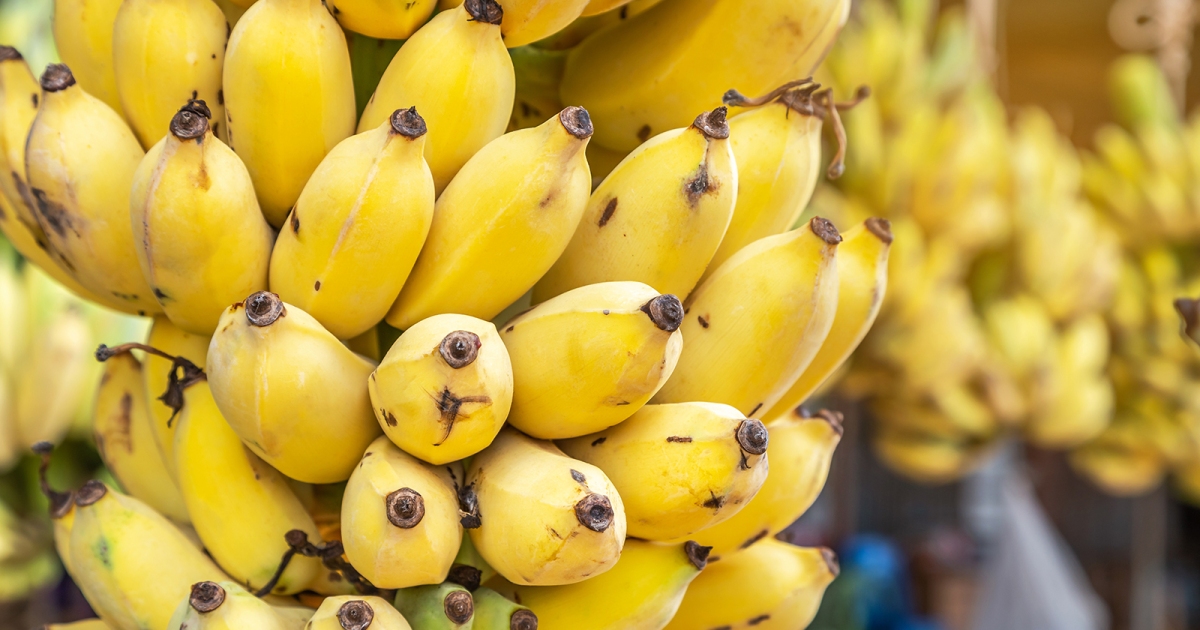
A banana that doesn’t go bad so fast approved by the Philippines
A new kind of biotech could save billions of bananas every year — and maybe even prevent them from going extinct.
-
(0)
-
Bookmark
- Comments (0)
05/17/2023 SOURCE: godanriver.com
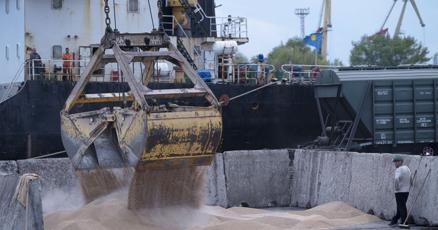
Turkish President Recep Tayyip Erdogan says Russia has agreed to extend a deal that has allowed Ukraine to ship grain through the Black Sea to parts of the world struggling
Russia agrees to extend Ukraine grain deal in a boost for global food security
-
(0)
-
Bookmark
- Comments. (0)
05/16/2023 SOURCE: www.wisfarmer.com
How often do you bring home more food than you need from the grocery store or toss leftovers that were forgotten about in the back of the fridge?
Managing food waste at home and on the farm
-
(0)
-
Bookmark
- Comments. (0)
John LaRose Jr.
Topics: Rice, Water, GMO's, Ag Africa, Food Security/Shortage,
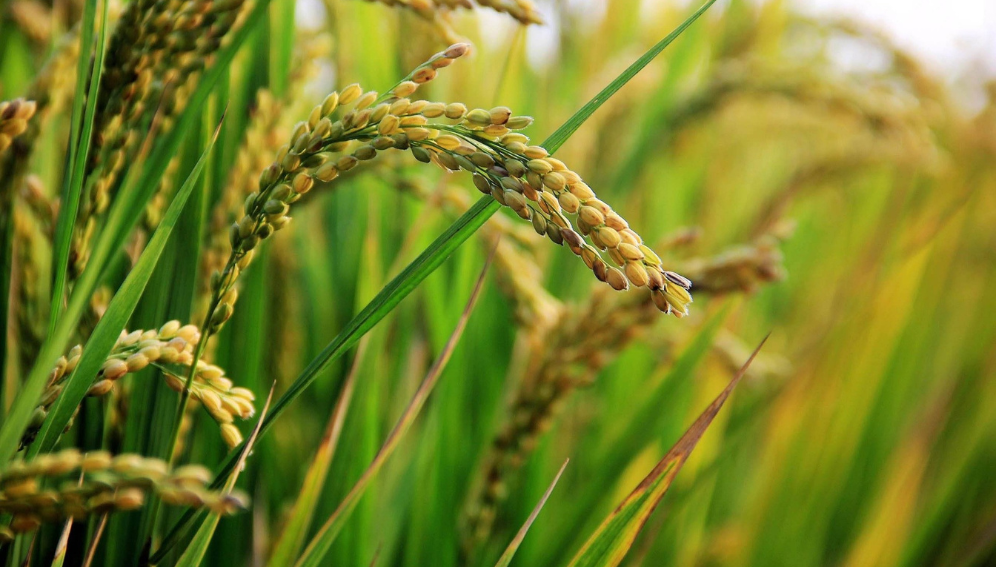
African farmers reap rewards of flood-tolerant rice
Two flood-resistant rice varieties are sustaining small-scale African farmers affected by climate change.
-
(0)
-
Bookmark
- Comments (0)
John LaRose Jr.
Topics: Agriculture Global, World Hunger, Ag Africa, World Population, Food Security/Shortage,

Hunger: UN seeks $396 Million for North-East Nigeria
Article Summary Up to 4.3 million people face severe hunger risks in Northeast Nigeria. Borno, Adamawa, and Yobe states risk
-
(0)
-
Bookmark
- Comments (0)
JAMES MSASA
Topics: Food/Nutrition, Food Waste, Food Security/Shortage, Food Safety,
𝐉𝐚𝐦𝐞𝐬 𝐌𝐬𝐚𝐬𝐚 🇹🇿 on LinkedIn: #marketing #food #training #entrepreneur #quality #students #solar…
Greetings from Tanzania-Njombe; Last week I was invited by Agnes Trust Secondary School Owner Madam Agnes Temu to train Form Four Students about food…
-
(0)
-
Bookmark
- Comments (0)
JAMES MSASA
Topics: Food Safety, Food Security/Shortage,
[4/23, 16:45] +255 757 182 242: *Tanzania's National Food Reserve Agency (NFRA)* Welcome to National Food Reserve Agency NFRA's Website, NFRA is a Public Institution established as an Executive Agency under the Ministry of Agriculture . The Agency established for the purpose of guaranteeing national food security in times of food shortage. Thus the Agency has been established to carry out three main functions. There are; - Procuring, reserving and releasing food stocks to address disasters Recycling and releasing food stocks in the market in order to stabilize food supply, and Marketing food commodities and generating revenue. Therefore, the main role of the Agency is to procure food stocks, reserve, recycle and respond timely to food shortages in the country. Since its establishment the Agency has been successfully performing obligations by ensuring times procurement of grains from farmers and responding timely to food shortages in the country. NFRA has been a last resort to most farmers during grain procurement season. Furthermore, the Agency succeeded to reserve grain for number of years while observing quality standards which makes Tanzanian to enjoy quality food releasing by NFRA. It is the reverse were consumers within the country and outside the country can find grain with guaranteed quality. NFRA developed Strategic Plan which is operationalised by Business plan for a year after year execution. The Agency Plans explore an intention to increasing the reserve capacity of food stock up to 500,000 MT by 2018 by expanding and introducing use of modern storage facilities and technology. Expected growth in reserve will enable the Agency to increase level of reserved stock toward attaining national optimum food requirement and improving operational efficiently. Who We Are? The origin of the National Food Reserve Agency (NFRA) goes back to the drought of 1973 - 1975 when Tanzania was hit by an acute food shortage as it was unable to meet its food requirement and had to depend on imports and food aid. As a result of that disaster the Government decided to establish Food Reserve Organ (Strategic Grain Reserve - SGR) in 1976 as a strategy for overcoming food shortages in the country. NFRA came into operation 2008, It took over responsibilities of the former Strategic Grain Reserve. NFRA is one of the public institutions established as an Executive Agency under the Ministry of Agriculture. It was established by the chapter 245 of the Executive Agencies Act No. 30 of 1997 and came into effect on the 1st day of July, 2008, through the Executive Agency (The NFRA) (Establishment) Order 2008, Government Notice No. 81 published on 13th June, 2008. The Agency was established for the purpose of guaranteeing national food security by addressing food shortages through procuring, reserving and releasing food stocks efficiently and effectively. It took over responsibilities of the former Strategic Grain Reserve. VISION: A reliable Agency capable in responding timely to food shortages. MISSION: To ensure availability of strategic food stock in times of shortage by procuring, reserving, recycling and marketing food stock in an efficient manner for community wellbeing. Source: [4/23, 18:18] +255 757 182 242: Member's opinion: They (NFRA) can't do anything for food security. It would be much better idea to collaborate better on different levels that food can find its way to the market through supply and demand defined value. This is seriously confused when farmers are forced to supply their maize/corn to nfra without being paid even the right price at that particular time. Then food cannot automatically reach where the demand is. You can find food price tables for rice and corn where those commodities are more expensive at the places of origin than places like Dar es Salaam while the opposite is expected because there are transport costs, etc. This is surely a sign of too much intervention.
Read More-
(0)
-
Bookmark
- Comments (0)