



 John LaRose Jr.
Topics: Wheat, Corn/Maize, Rice, Cotton, Sugarcane, Economics, Ag India, World Population, Coronavirus/COVID,
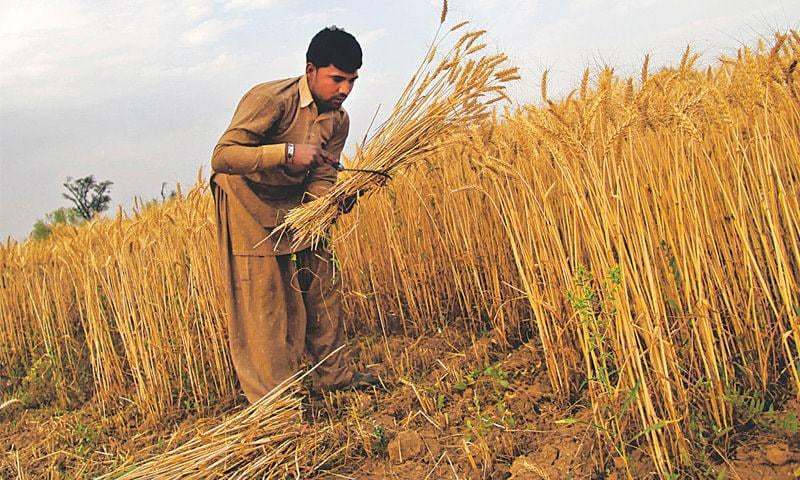
Mixed prospects of agriculture
The outlook for major crops appears good with the only exception of cotton.
-
(0)
-
Bookmark
- Comments (0)
01/04/2021 SOURCE: vtdigger.org
By capturing carbon and reversing desertification caused by severe drought, soil restoration enhances regional cooling, strengthens resilience against droughts and floods.
Ron Krupp: Restoring our soils
-
(0)
-
Bookmark
- Comments. (0)
John LaRose Jr.
Topics: Coffee/Tea, Sustainability, Ag Australia/NZ,

How this coffee farmer's hate of waste led him to create a unique tea
Now almost as popular as his coffee, Tibor Pinci's coffee cherry tea is made from the "beautiful" fruit normally disposed of once the beans are extracted.
-
(0)
-
Bookmark
- Comments (0)
01/04/2021 SOURCE: www.reuters.com
Mexico's main agricultural lobby on Saturday criticized the government's decision to ban genetically modified corn, while organic growers hailed the move that should protect smaller farmers.
Mexico farm lobby blasts ban on GMO corn; organic growers welcome it
-
(0)
-
Bookmark
- Comments. (0)
01/04/2021 SOURCE: geneticliteracyproject.org
Invasive organisms pose a global threat and are exceptionally difficult to eradicate after they become abundant in their new habitats. We report a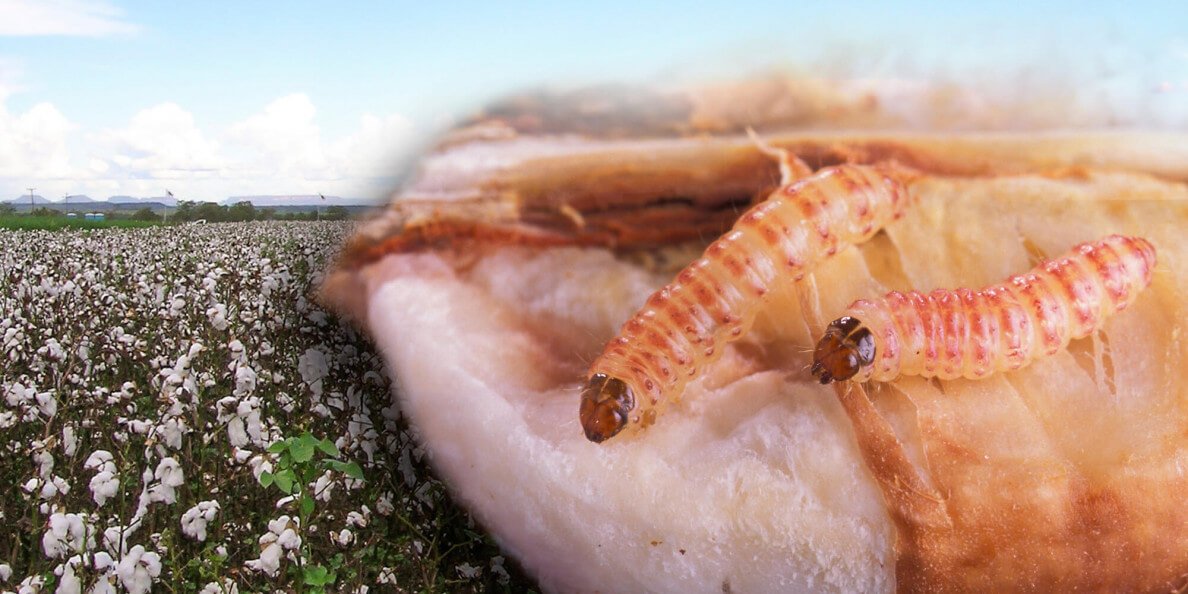
GM, insect resistant Bt cotton and 11 billion sterile moths eliminated pink bollworm from the US and Mexico
-
(0)
-
Bookmark
- Comments. (0)
01/04/2021 SOURCE: www.tribuneindia.com
A farmer’s average monthly income in Haryana is among the highest in the country, both according to the Situation Assessment Survey of Agricultural Households (2013) and NABARD All India Rural Financial Inclusion Survey (2016-17). Still, at Rs 18,496 per month, this income is less than the sal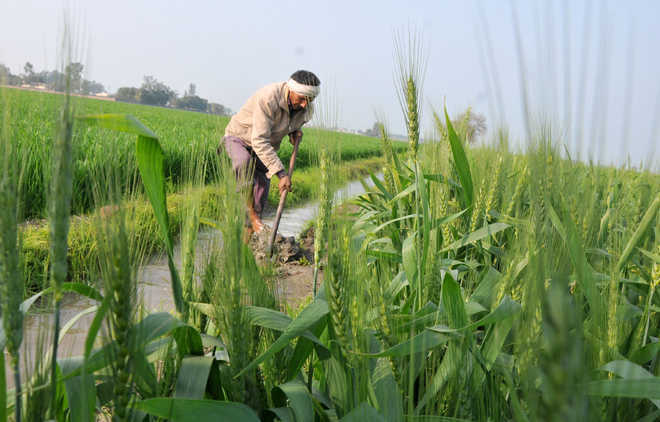
Crop productivity counts
-
(0)
-
Bookmark
- Comments. (0)
 Matthew Kroger
Climatic shit is about to get real. This is NOT good news here folks.

Polar Vortex breaking down now: Major Stratospheric Warming will impact weather all winter
One of the paradoxes of climate change is that reduction of sea ice on the European side of the Arctic basin leads to increased Siberian snowfall in the fall months and possibly colder than normal ...
-
(0)
-
Bookmark
- Comments (0)
Matthew Kroger
Topics: Beekeeping,
his article gets straight to the point of what is wrong with migratory beekeeping. Its Russian Roulette and there is more than one bullet in the metaphorical gun, its 75% loaded. 75% of our nations bees are making these trips every winter to California. Not to mention there is no state inspections for health when these bees cross state lines. None. How is that even possible? We have to get a vet to look at all kinds of animals when we travel why are bees any different? Especially when so much is at stake!!!
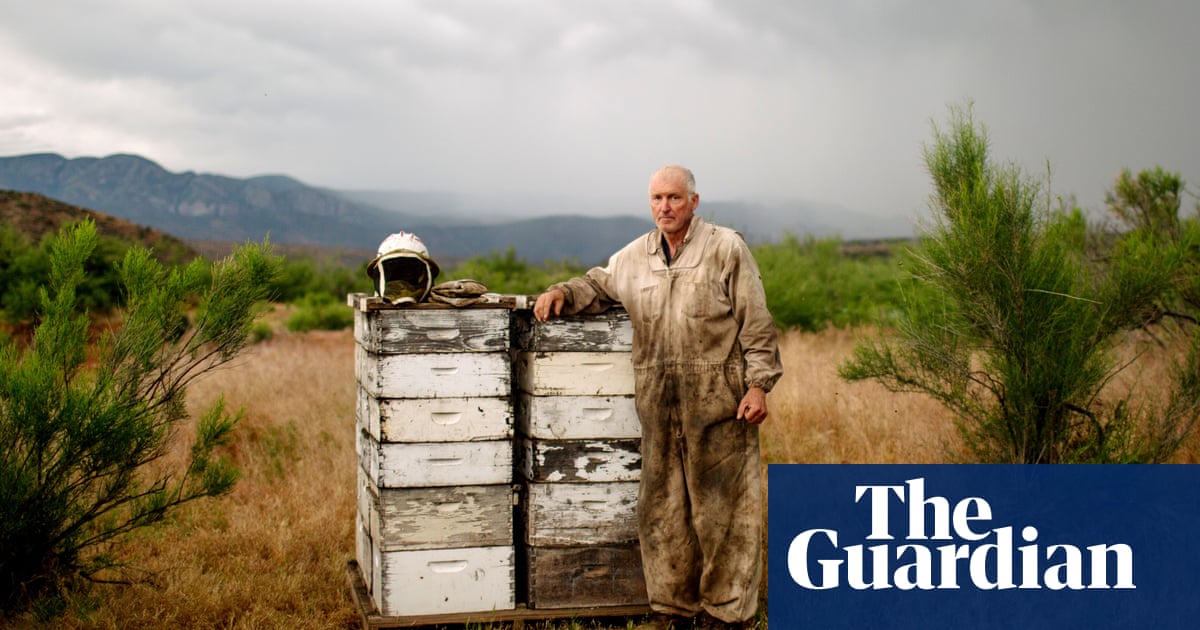
'Like sending bees to war': the deadly truth behind your almond milk obsession
Bees are essential to the functioning of America’s titanic almond industry – and billions are dying in the process
-
(1)
-
Bookmark
- Comments (0)
 Randy Krotz
Topics: Organic, Research,
Research available for purchase.
Organic Snacks Market Outlook 2021 Witnessing Enormous Growth with Recent Trends & Demand | Regions are Conagra Brands, General Mills, Hormel Foods, Newmans Own
-
(1)
-
Bookmark
- Comments (0)
01/03/2021 SOURCE: www.forbes.com
Food and farming are attracting celebrity investment including from Meghan Markle, Oprah to name a few.
Agrifoodtech Attracts Celebrities
-
(0)
-
Bookmark
- Comments. (0)
Advertisement