



 John LaRose Jr.
Topics: Fruit, Food/Nutrition, Research, Ag Global Specialty Food, Genes /Genetics, Regenerative Agriculture,
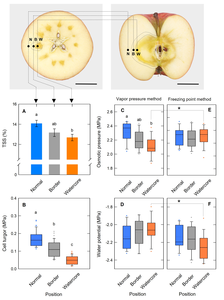
Hidden mechanisms of apple watercore formation
Watercore apples with enhanced sweet flavors are preferred in most Asian countries, although the underlying mechanisms of the transparent water-soaked symptom formation remained unknown. A collaborative research team conducted site-specific cellular analyses in conjunction with two principally different osmometers to reveal the cellular mechanisms related to the tissue appearance. This research team consists of members from Ehime University, the National Agriculture and Food Research Organization, Japan, and the University of Buenos Aires, Argentina.
-
(0)
-
Bookmark
- Comments (0)
John LaRose Jr.
Topics: Precision AG , Agriculture US, Hemp, Research, Education,

Three Texas A&M AgriLife industrial hemp field days set - AgriLife Today
Three industrial hemp field programs will be held on Sept. 27, Oct. 7 and Oct. 8 near Lubbock, Chillicothe and Muleshoe.
-
(0)
-
Bookmark
- Comments (0)
John LaRose Jr.
Topics: Soil Health, Research, World Hunger, Ag Africa, Weather, Food Security/Shortage,
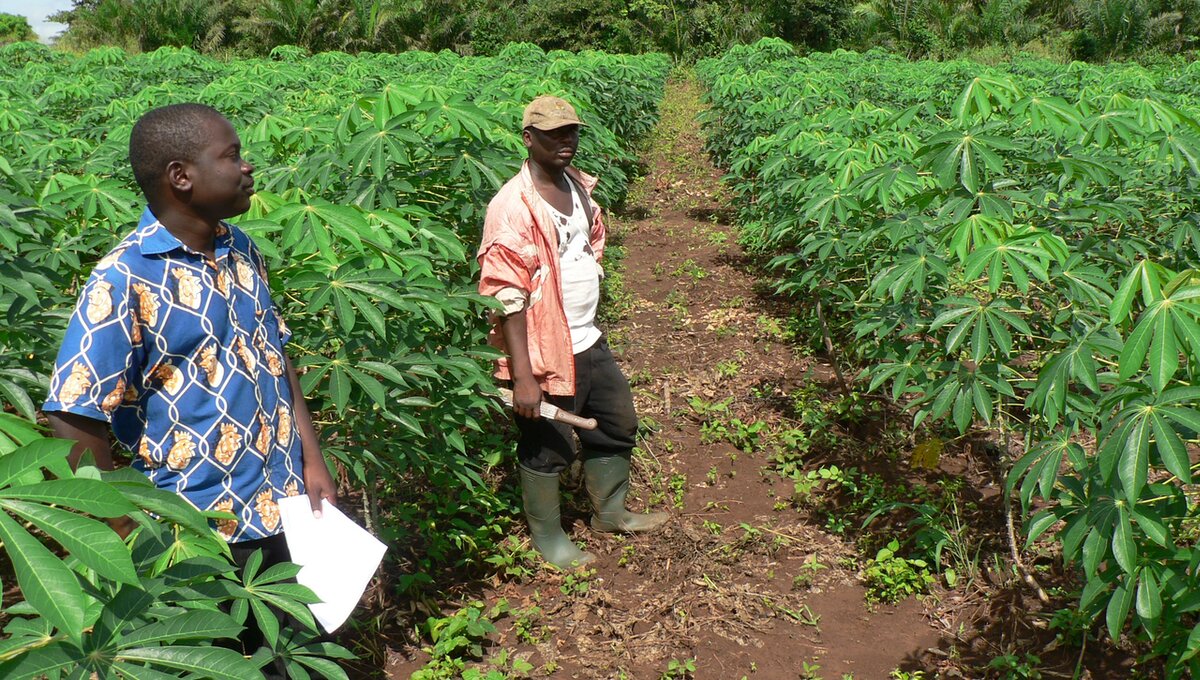
Seeking climate-smart strategies for root, tuber and banana crops in central Africa - nativenewspost
Root, tuber and banana (RT&B) crops are widely cultivated across the landscapes of sub-Saharan Africa (SSA). These staple food crops play a fundamental
-
(0)
-
Bookmark
- Comments (0)
John LaRose Jr.
Topics: Livestock/Meat, Agriculture Global, Education U.S. SouthWest, Beef Cattle, Research, CRISPR/Gene Editing, Genes /Genetics,
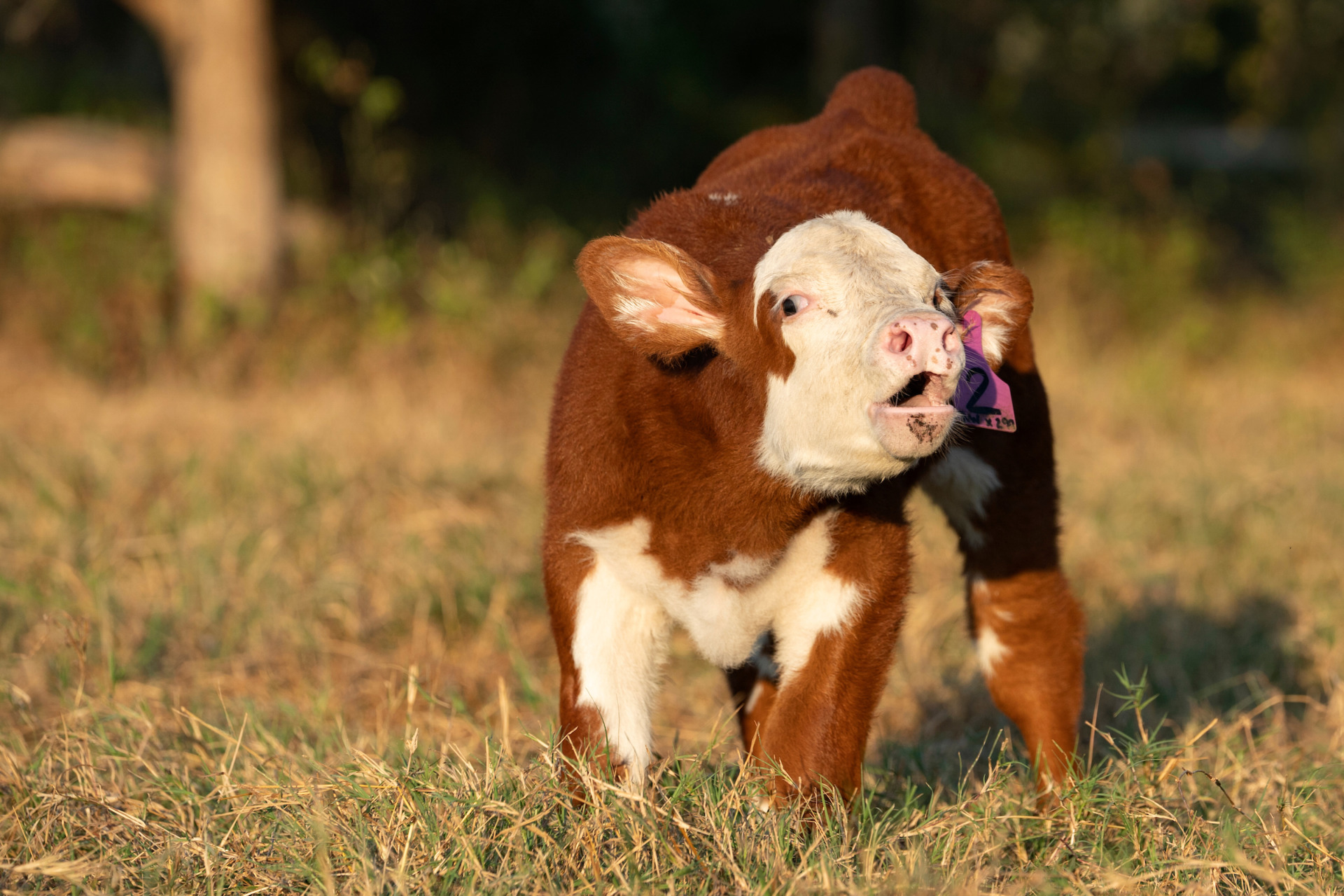
Eliminating beef cattle pregnancy loss with technology - AgriLife Today
Calves on the ground mean dollars in the pocket and steaks in the meat case. Buy pregnancy loss in the beef cattle industry is a problem.
-
(0)
-
Bookmark
- Comments (0)
John LaRose Jr.
Topics: Soil Health, Pesticides, Agriculture Global, Pest Control, Fungicides, Insects, Research,
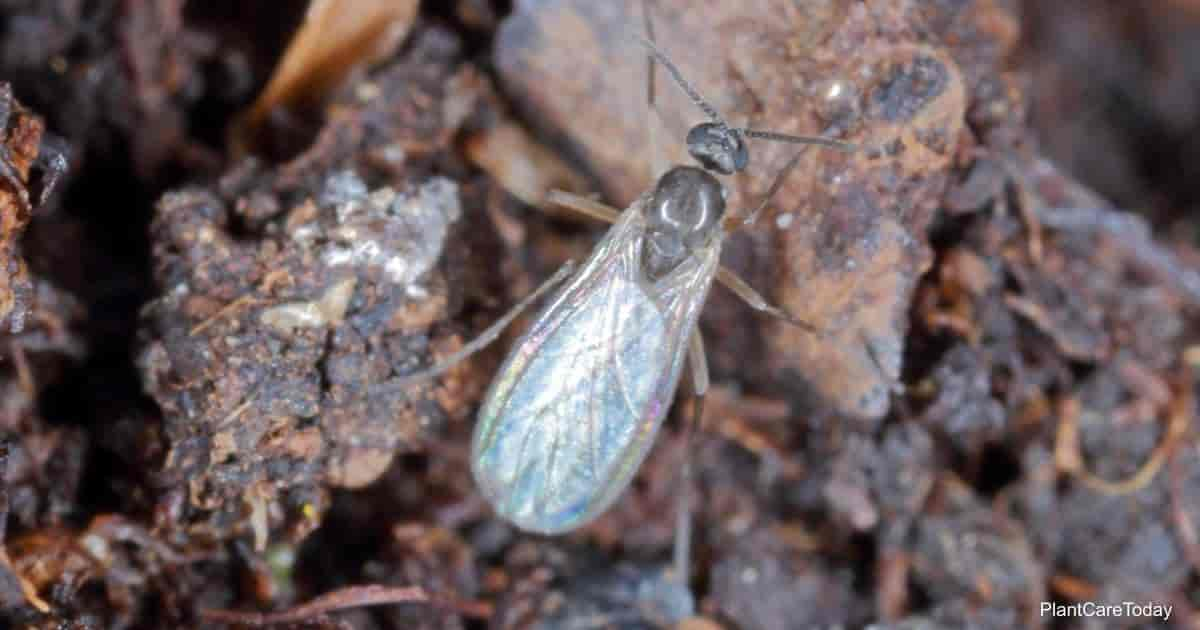
How To Get Rid Of Fungus Gnats In Soil
The real danger with fungus gnats lies in their larvae, which burrow into the soil and devour fungus and mold, often munching on plant roots in the process.
-
(0)
-
Bookmark
- Comments (0)
John LaRose Jr.
Topics: Forestry, Agriculture Global, Sustainability, Research,

Appropriate preconditioning and testing could reduce winter damage to seedlings
The growth of the trees in the boreal zone is based on the acclimation and adaptation of their annual cycle with the changes of the weather conditions during the four seasons. Winter damage would be one ...
-
(0)
-
Bookmark
- Comments (0)
John LaRose Jr.
Topics: Agriculture Global, Food/Nutrition, Crop Diseases, Research, World Hunger, Education,

Scientists uncover pathogen’s similar impact on two very different crops
Bacterial blight leads to browning and sometimes the death of important crops. Most famously, late blight of potato resulted in the Great Irish Famine. Blight continues today, affecting crops around the world. One form of bacterial blight (caused by Pseudomonas cannabina pv. alisalensis or Pcal...
-
(0)
-
Bookmark
- Comments (0)
John LaRose Jr.
Topics: Agriculture Global, GMO's, Research, Ag Global Specialty Food, Genes /Genetics, Ag Innovation,
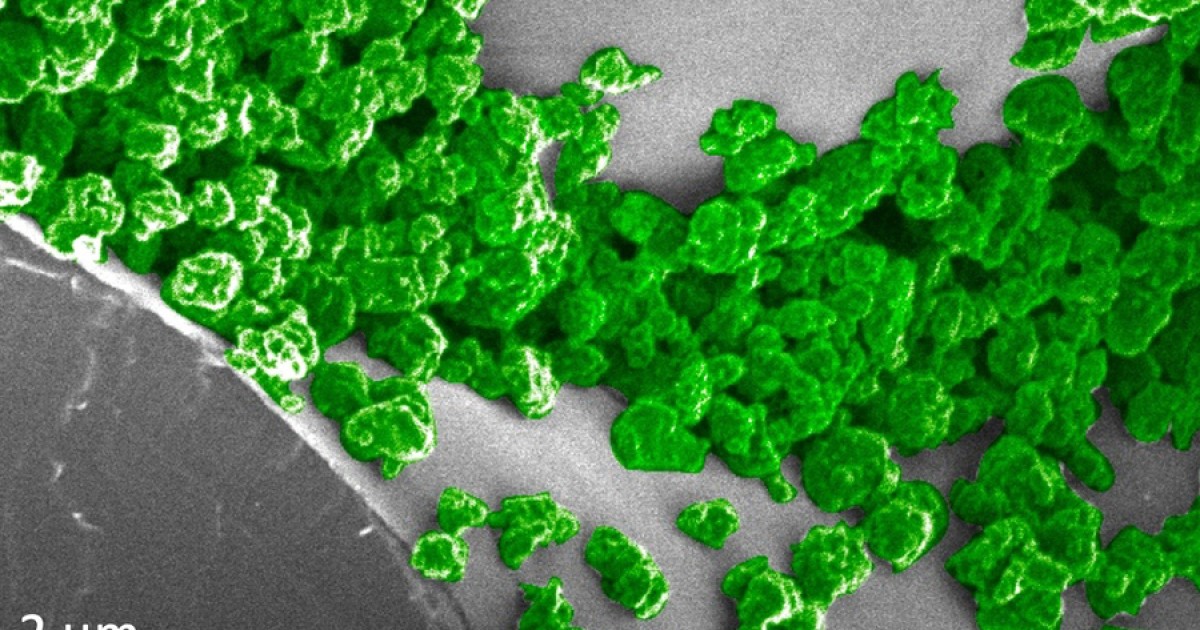
Glow-in-the-dark plants could act as passive lighting for public spaces
A decent chunk of energy usage goes towards lighting, so scientists at MIT are developing a new kind of passive lighting – glow-in-the-dark plants. In the latest experiment, the team has made them glow much brighter than the first generation plants, without harming their health.
-
(0)
-
Bookmark
- Comments (0)
John LaRose Jr.
Topics: Soil Health, Crop Consultant, Agriculture Global, Sustainability, Research, Weather,
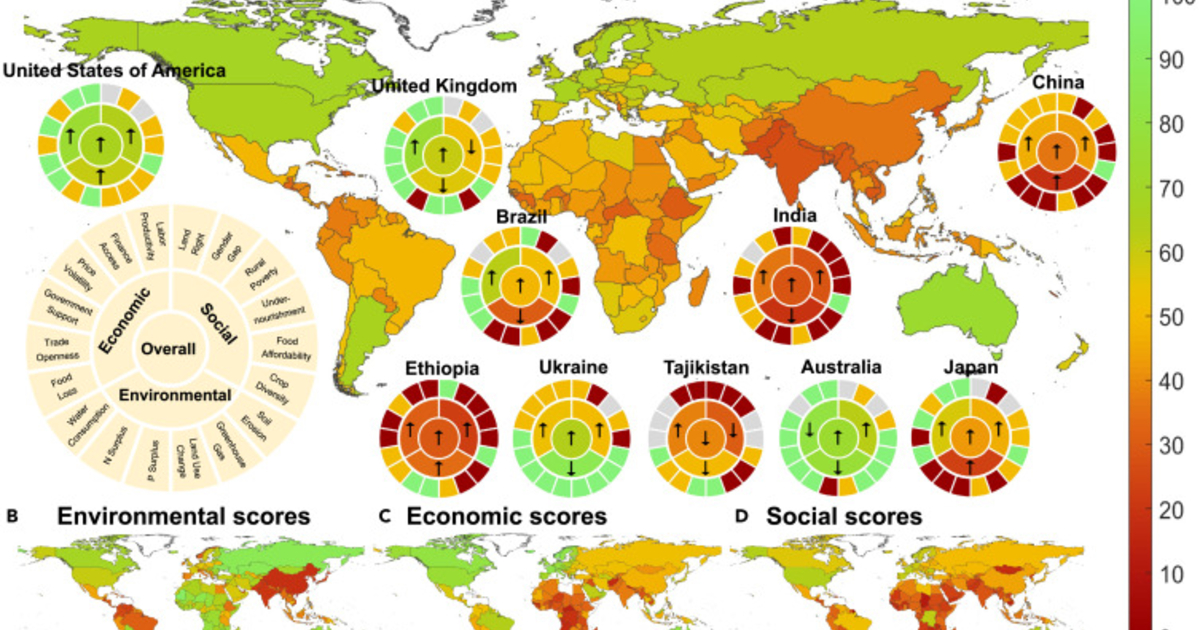
Researchers release first-of-its-kind quantitative assessment for
For the first time, scientists have assembled a quantitative assessment for agriculture sustainability for countries around the world based not only on environmental impacts, but economic and social
-
(0)
-
Bookmark
- Comments (0)
John LaRose Jr.
Topics: Coffee/Tea, Agriculture Global, Sustainability, Research, Genes /Genetics,
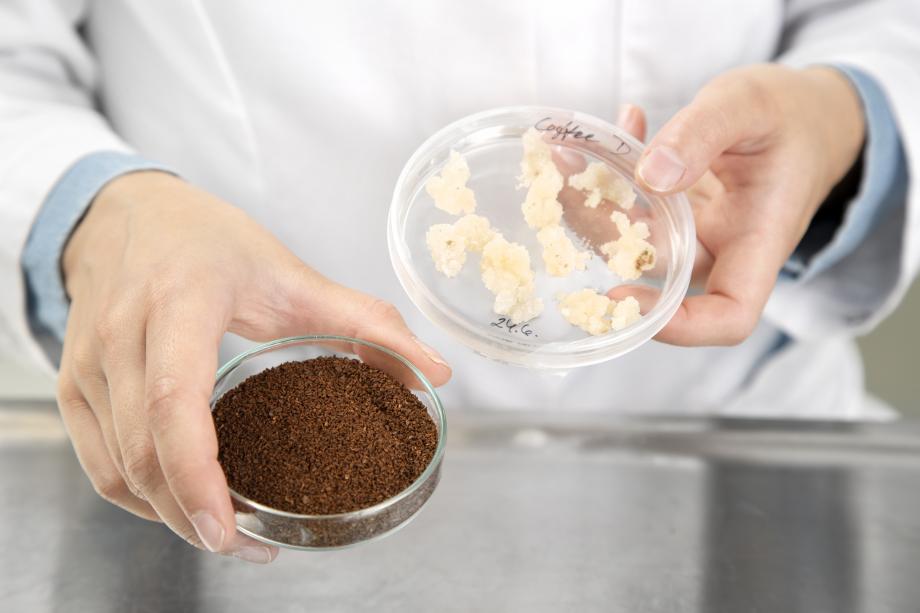
Sustainable coffee grown in Finland – the land that drinks the most coffee per capita produces its first tasty cup with cellular agriculture
VTT has successfully produced coffee cells in a bioreactor through cellular agriculture. The innovation can help to make the production of coffee more sustainable. The first batches produced by VTT in a laboratory in Finland smell and taste like conventional coffee.
-
(0)
-
Bookmark
- Comments (0)
Advertisement