



 John LaRose Jr.
Topics: Wheat, Agriculture US, Sustainability, Research, World Hunger, World Population, Education,
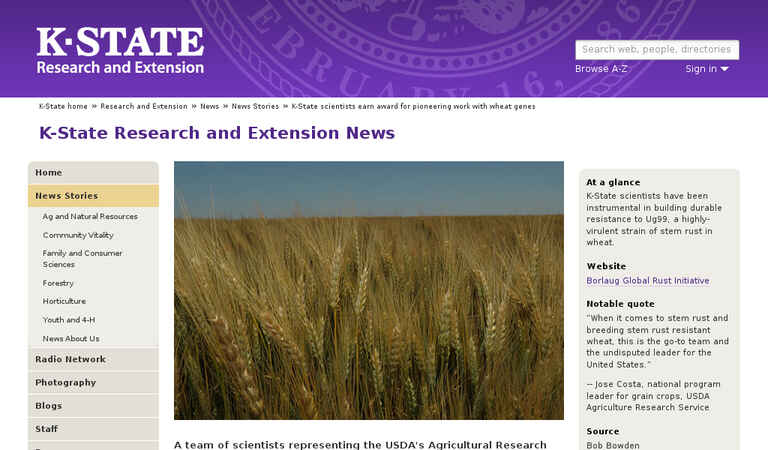
K-State scientists earn award for pioneering work with wheat genes
K-State scientists have been instrumental in building durable resistance to Ug99, a highly-virulent strain of stem rust in wheat.
-
(1)
-
Bookmark
- Comments (0)
John LaRose Jr.
Topics: Soil Health, Cover Crops, Economics, World Population, Regenerative Agriculture, Renewable Energy (Solar/Wind),
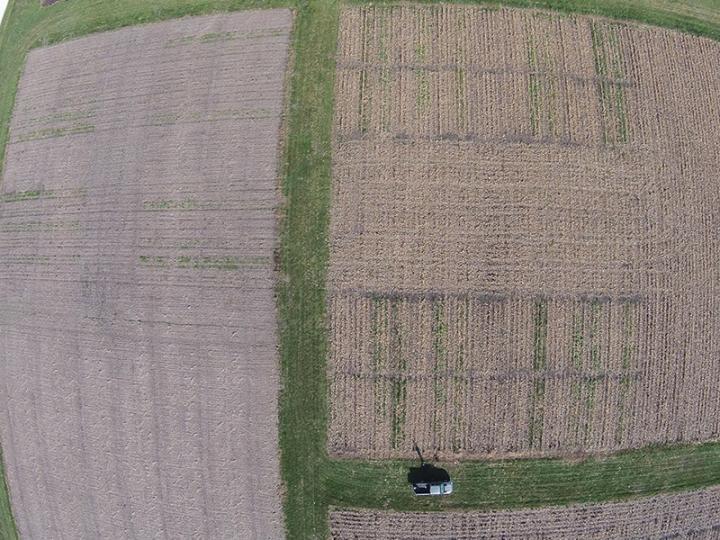
Choosing the right cover crop to protect the soil | News Break
Farmers around the world are keen to protect their most important asset: their soil. The soil supports and enriches their crops. But the relatively thin layer of topsoil can readily wash away into streams, carrying unwanted nutrients with it. Enter cover crops. Cover crops are inedible plants grown during the...
-
(0)
-
Bookmark
- Comments (0)
John LaRose Jr.
Topics: Economics, Ag Asia / Pacific, World Population, Regenerative Agriculture, Renewable Energy (Solar/Wind),
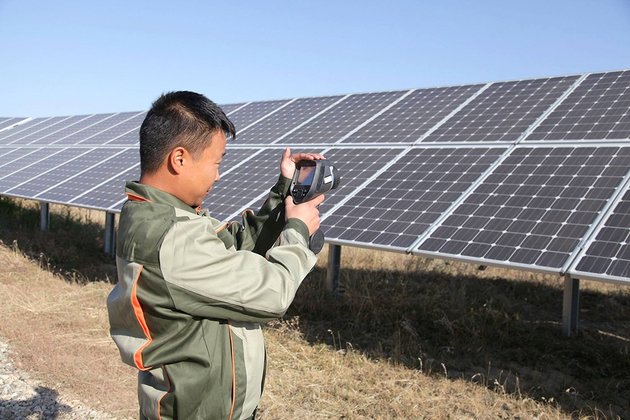
Chinese solar investments in Central Asia: A snapshot
After years of making big promises to invest in solar, Kazakhstan and Uzbekistan are now competing to open the largest solar fields in Central Asia. And
-
(0)
-
Bookmark
- Comments (0)
10/18/2020 SOURCE: www.theafricareport.com
Egyptian farmers are already feeling the pinch of water rations as Ethiopia’s dam nears completion
Egyptian farmers living in the shadow of Ethiopia’s dam
-
(0)
-
Bookmark
- Comments. (0)
10/18/2020 SOURCE: www.standardmedia.co.ke
Tesco, a UK firm has suspended exports of avocados from Kakuzi
Avocado still the fruit to bet on, farmers assured
-
(0)
-
Bookmark
- Comments. (0)
10/18/2020 SOURCE: www.albawaba.com
While the Arab World includes one of the world's largest oil reserves making many of its countries amongst the world's wealthiest, it also includes some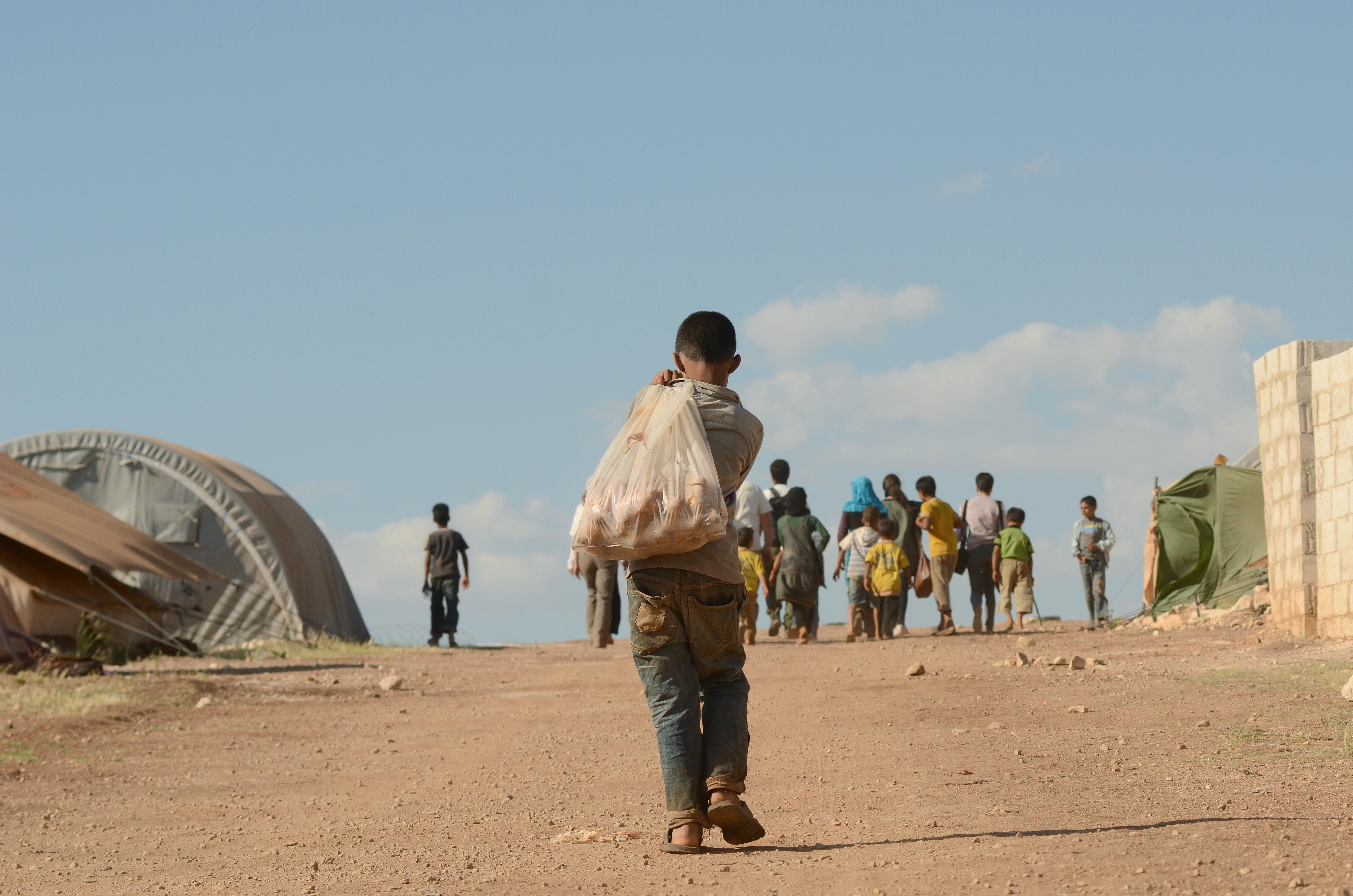
The 5 Poorest Arab Countries and the Reasons Behind Their Poverty | Al Bawaba
-
(0)
-
Bookmark
- Comments. (0)
John LaRose Jr.
Topics: World Hunger, Government / Policies, World Population, Ag Middle East,

Pakistan Seeks Ways to Bring Investments from Hungary
Pakistan is looking for ways to further improve investments from Hungary. Dr. Muhammad Aejaz expressed his thoughts during a webinar.
-
(0)
-
Bookmark
- Comments (0)
John LaRose Jr.
Topics: Soil Health, Cover Crops, Education U.S. MidWest, Economics, World Population, Regenerative Agriculture,
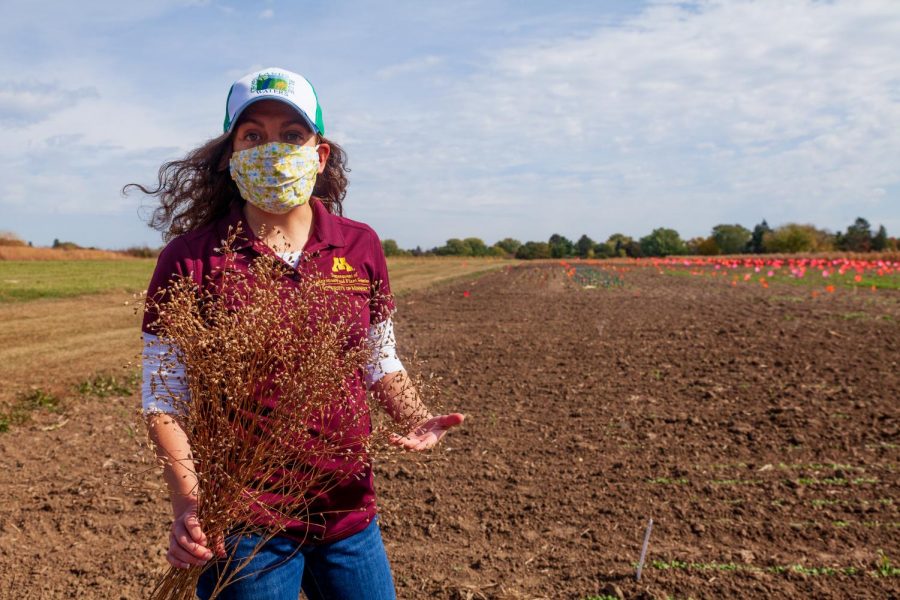
The winter camelina: University researchers developing new cash cover crop
Newly planted winter camelina seedlings sprout in little green rows at the University of Minnesota field plots on the St. Paul campus. The winter annual plant is one of 15 breeds University researcher
-
(1)
-
Bookmark
- Comments (0)
John LaRose Jr.
Topics: Corn/Maize, Cotton, Sugarcane, Agriculture US, Vegetables, GMO's, Potatoes, Research, CRISPR/Gene Editing, Ag Europe, Genes /Genetics, World Hunger, World Population,

The place of Europe in the new plant breeding landscape: evolution of field trials
Abstract CRISPR-cas gene editing in crop plants could significantly speed up the progress of breeding programs. Strikingly in the agricultural sector, the number of CRISPR-cas patents originating from Europe trails far behind the USA and China. Examining field trials is another mean to compile biotechnological innovation in plant breeding. We examined field trials since 2002 […]
-
(0)
-
Bookmark
- Comments (0)
John LaRose Jr.
Topics: Wheat, CRISPR/Gene Editing, Genes /Genetics, World Hunger, World Population,

Genome Editing of Wheat Alters Spike and Grain Characteristrics
Researchers from Chinese Academy of Agricultural Sciences used CRISPR-SpCas9 to edit wheat TaAQ and TaDq, transcription factors that are vital in the evolution of the spike characteristics from wild and domesticated emmer to modern wheat cultivars. The findings are released in the Journal of Genetics and Genomics.
-
(0)
-
Bookmark
- Comments (0)
Advertisement