



 Brandon Lance

‘Rings Of Death’: North Dakota Farmer Mitigates Soil Challenges With Gypsum, Conservation Practices
‘Rings Of Death’: North Dakota Farmer Mitigates Soil Challenges With Gypsum, Conservation Practices by nbirt | Read more Regional News about Agriculture and Crop Production on AgWeb.
-
(0)
-
Bookmark
- Comments (0)
10/08/2020 SOURCE: columbustelegram.com

-
(0)
-
Bookmark
- Comments. (0)
10/08/2020 SOURCE: fortune.com
Peterson Institute’s Chad Bown talks about how the U.S.-China trade deal is good for election, but does little to resolve issues of the trade war
U.S.-China Trade War: Analyst says the phase 1 trade deal is more political than economics
-
(0)
-
Bookmark
- Comments. (0)
 Randy Krotz
Topics: Beekeeping, Ag United Kingdom, Pollinators,

Pollinator monitoring more than pays for itself
Value of nationwide pollinator monitoring schemes, some involving citizen scientists, is 70 times higher than their costCredit: Credit Nadine Mitschunas
-
(0)
-
Bookmark
- Comments (0)
10/08/2020 SOURCE: www.bbc.com
Undercover footage shows British livestock being transported from Spain to the Middle East.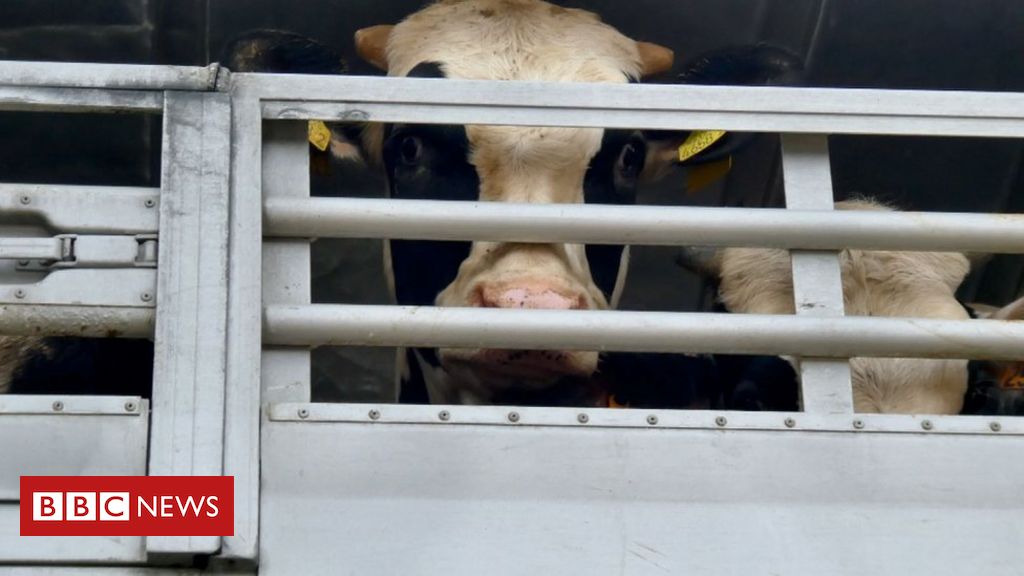
Concern over UK cattle slaughtered in Middle East
-
(0)
-
Bookmark
- Comments. (0)
Randy Krotz
Topics: Corn/Maize, Soybeans, Agriculture US,
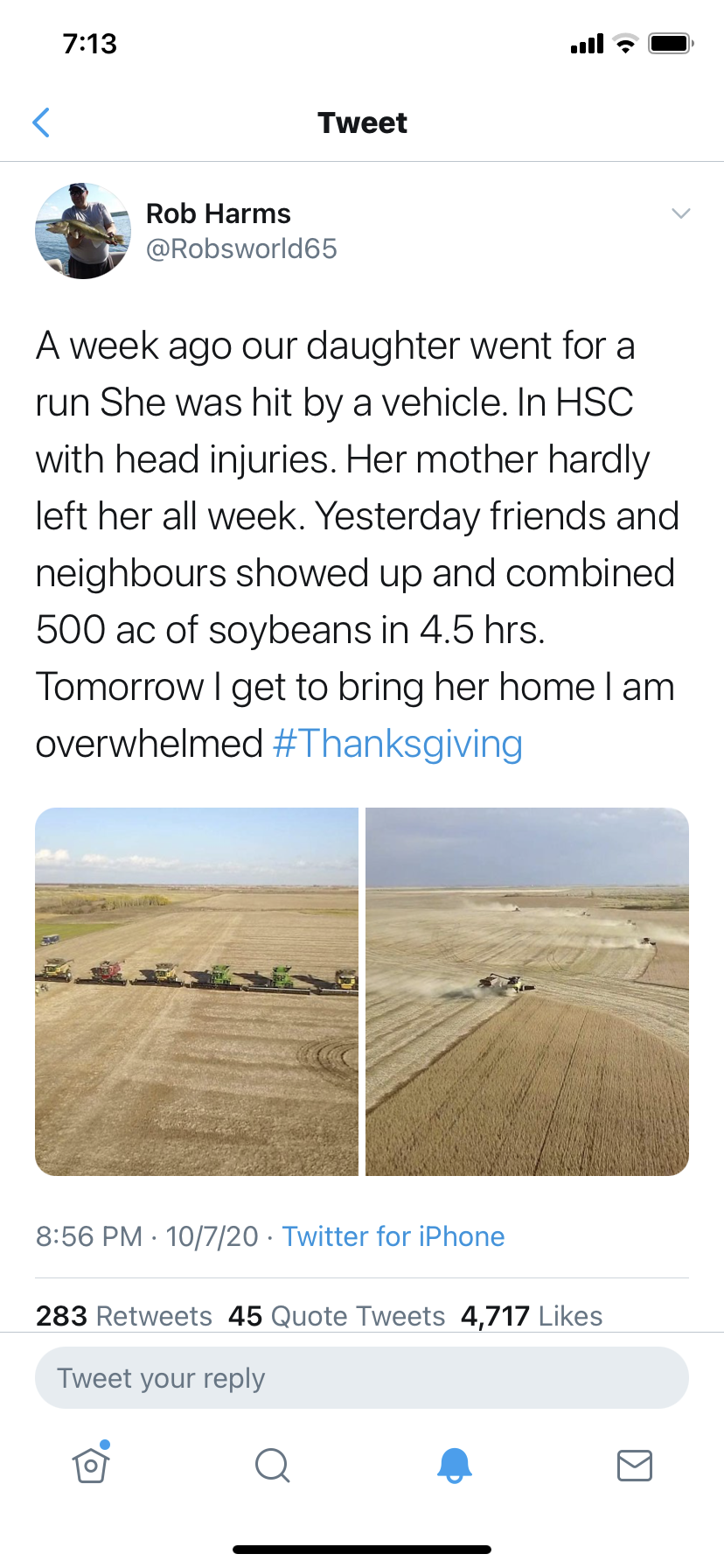
For those of you not on twitter.
-
(0)
-
Bookmark
- Comments (0)
10/08/2020 SOURCE: www.theguardian.com
The long read: As Chinese demand for pork grows and grows, traditional small-scale farms are being replaced by vast, AI-assisted operations that feel more like smartphone factories than bucolic countryside havens
Behind China’s ‘pork miracle’: how technology is transforming rural hog farming
-
(0)
-
Bookmark
- Comments. (0)
10/08/2020 SOURCE: www.lexology.com
On Friday, October 2, 2020, the United States Trade Representative (USTR) announced that, at the direction of the President, a two-part investigation…
USTR Launches Section 301 Investigation Targeting Imports from Vietnam | Lexology
-
(0)
-
Bookmark
- Comments. (0)
 Nancy Kavazanjian
Topics: Wheat, GMO's, Genes /Genetics,

Argentina to become first country to commercially approve GMO wheat
BUENOS AIRES — Argentina will approve the commercialization of HB4 drought-resistant GMO wheat by biotechnology firm Bioceres SA, according to a government…
-
(1)
-
Bookmark
- Comments (0)
 John LaRose Jr.
Topics: Agriculture US, Young Farmers, FFA/4-H, Sustainability, Regenerative Agriculture,

-
(0)
-
Bookmark
- Comments (0)
Advertisement